Nose-to-Tail Rabbit Home Health Check
I have over 12 years of experience working with medical rabbits as both a shelter advocate and a baby-and-medical foster home for a local 501(c)(3) nonprofit Rabbit Rescue Group. In this role, I regularly visited shelters to perform Nose-to-Tail Health Checks and to recommend when rabbits should be transferred into our rescue system for evaluation by a licensed exotic rabbit veterinarian.
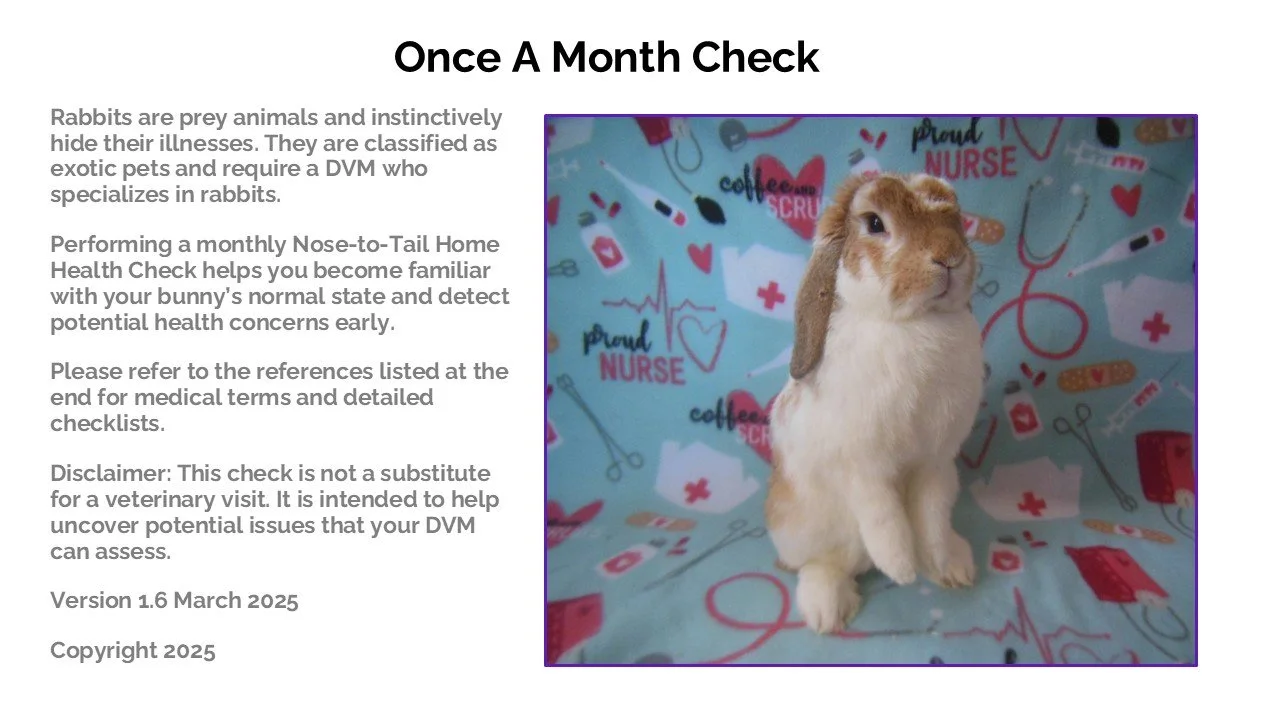
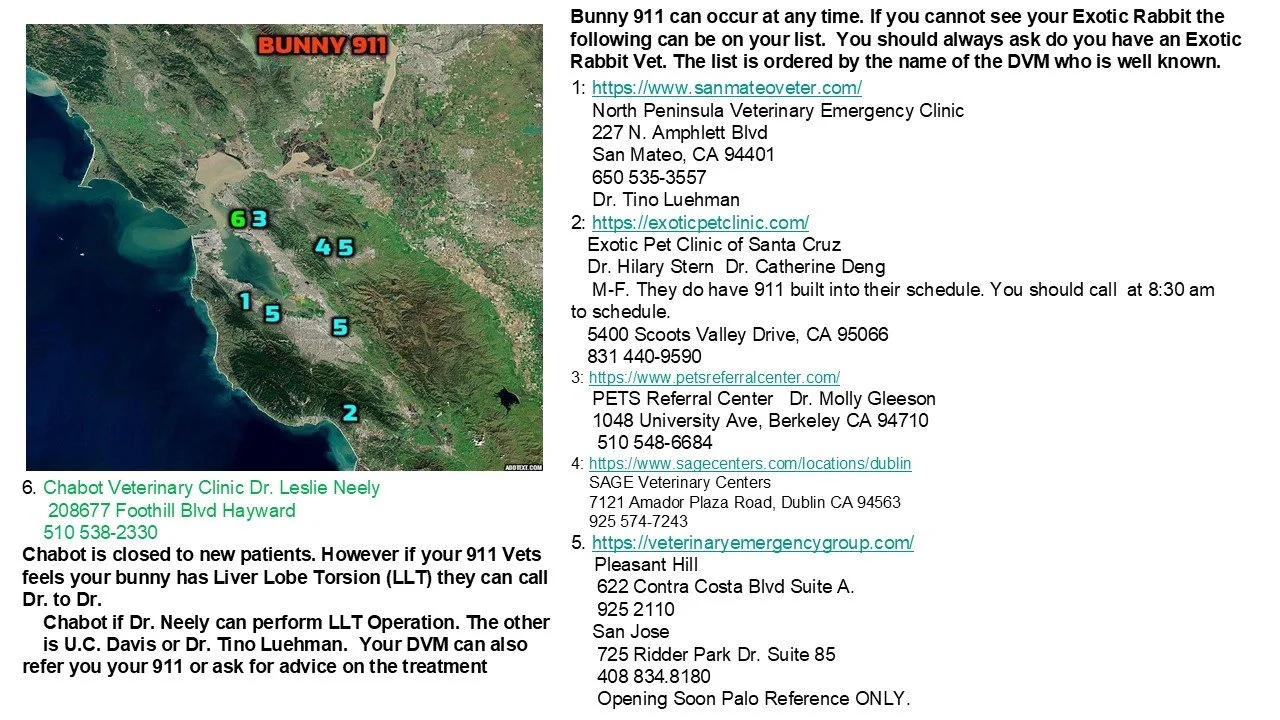
Performing a basic Nose-to-Tail Home Health Check on your rabbit(s) on a monthly basis is an important part of responsible rabbit care.
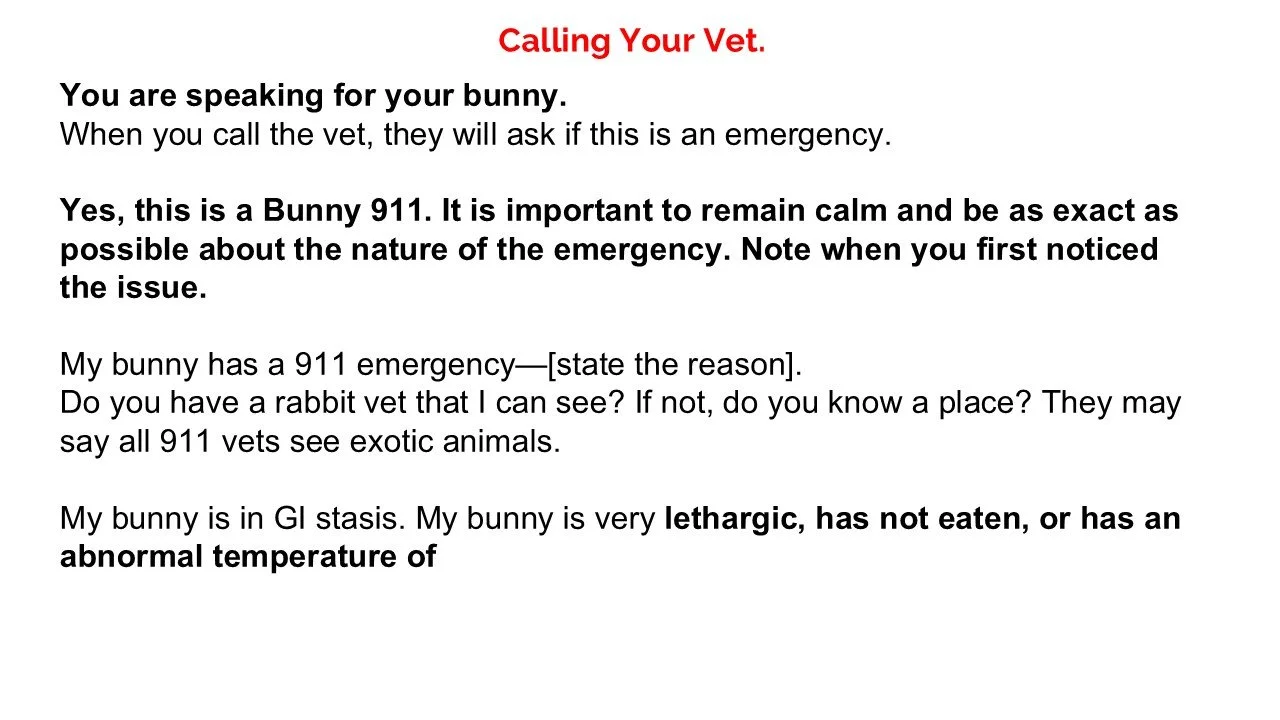
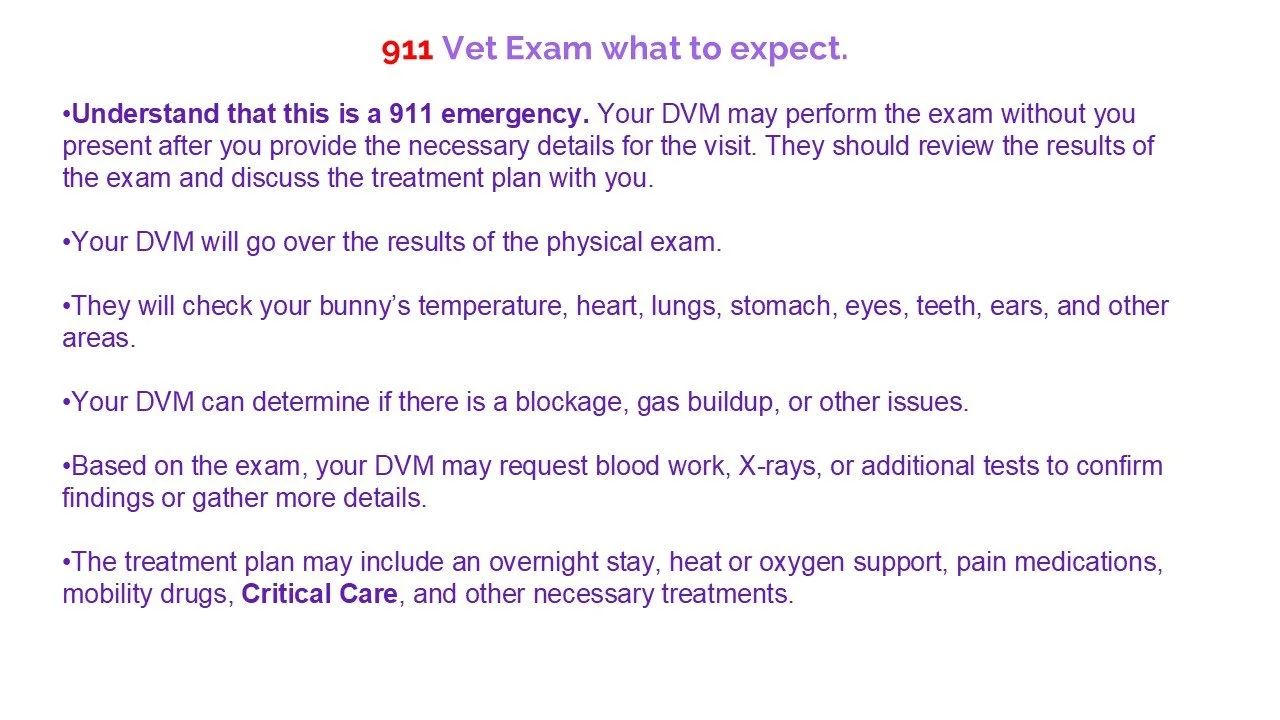
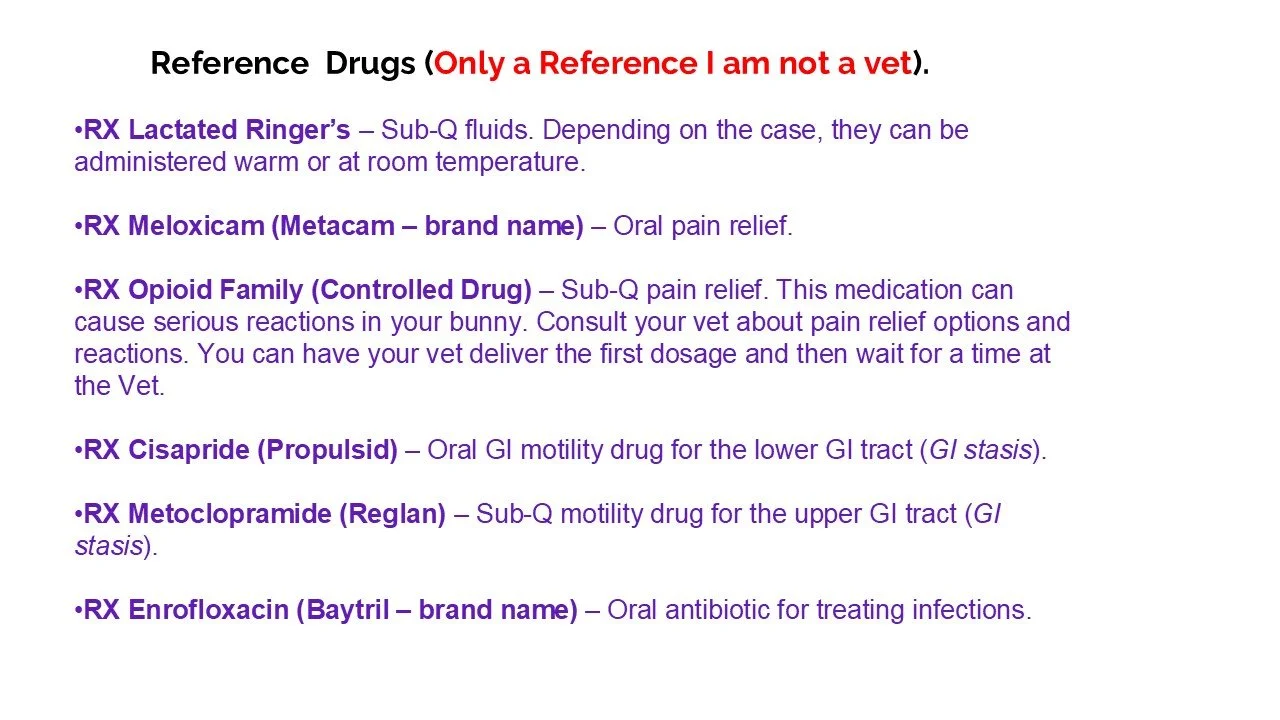
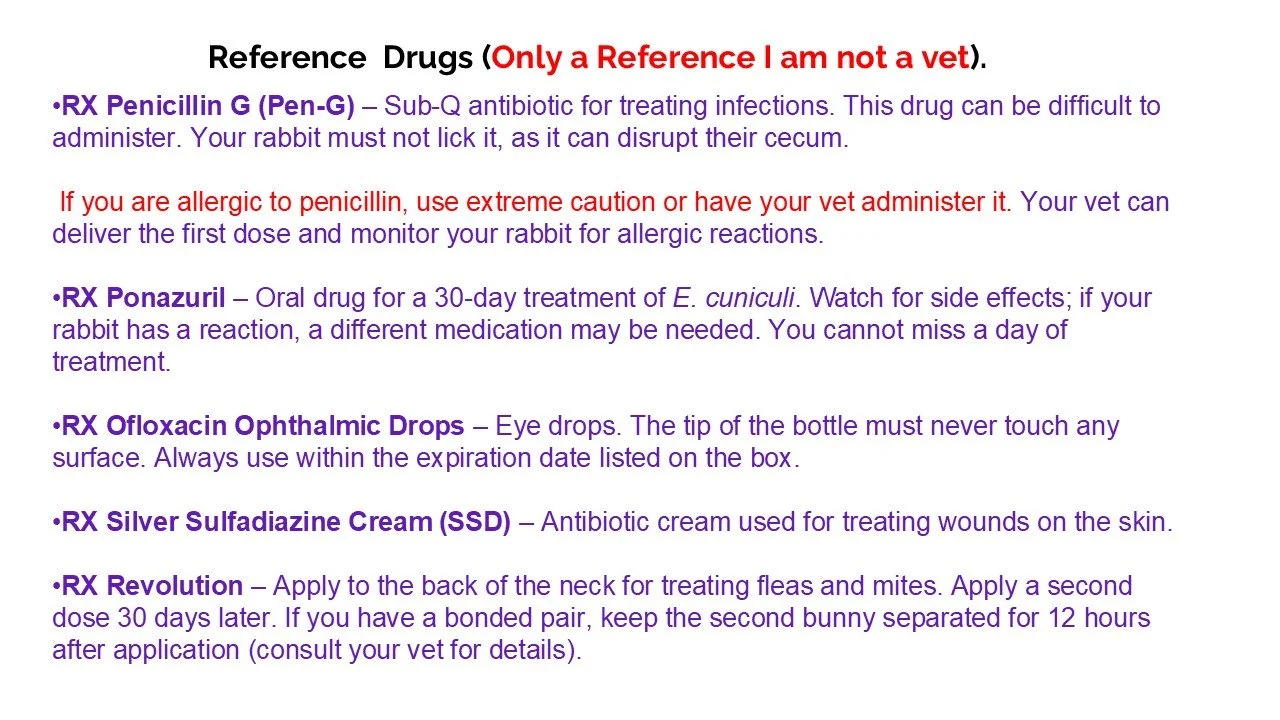
Disclaimer: If your rabbit is in distress or if you have any health concerns, please contact a licensed exotic rabbit veterinarian immediately. I am not a licensed exotic rabbit veterinarian, and the information presented here is not intended to replace professional veterinary advice or care.
Regular at-home health checks are essential for monitoring your pet rabbit's well-being and detecting potential issues early. Here's a comprehensive guide to performing a health check on your rabbit:
1. General Behavior and Appetite:
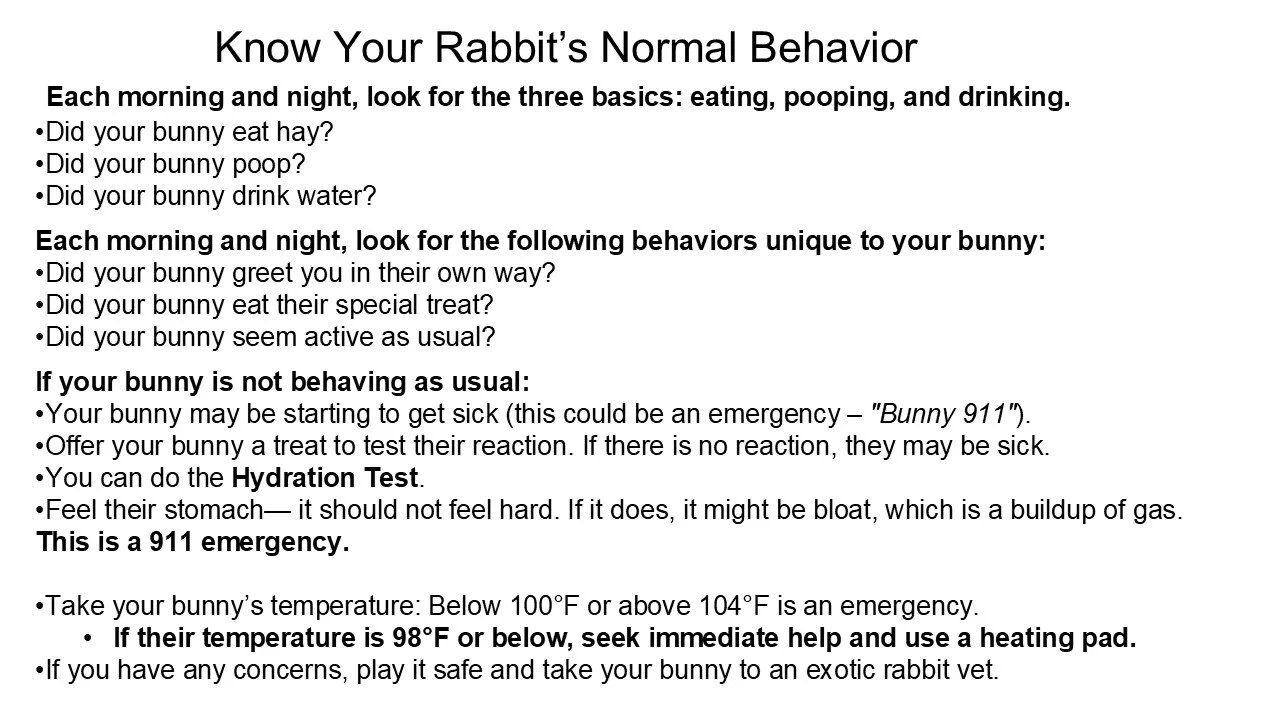
Observation: Monitor your rabbit's daily behavior and eating habits. Any changes, such as reduced appetite or lethargy, can indicate health problems.
2. Eyes and Nose:
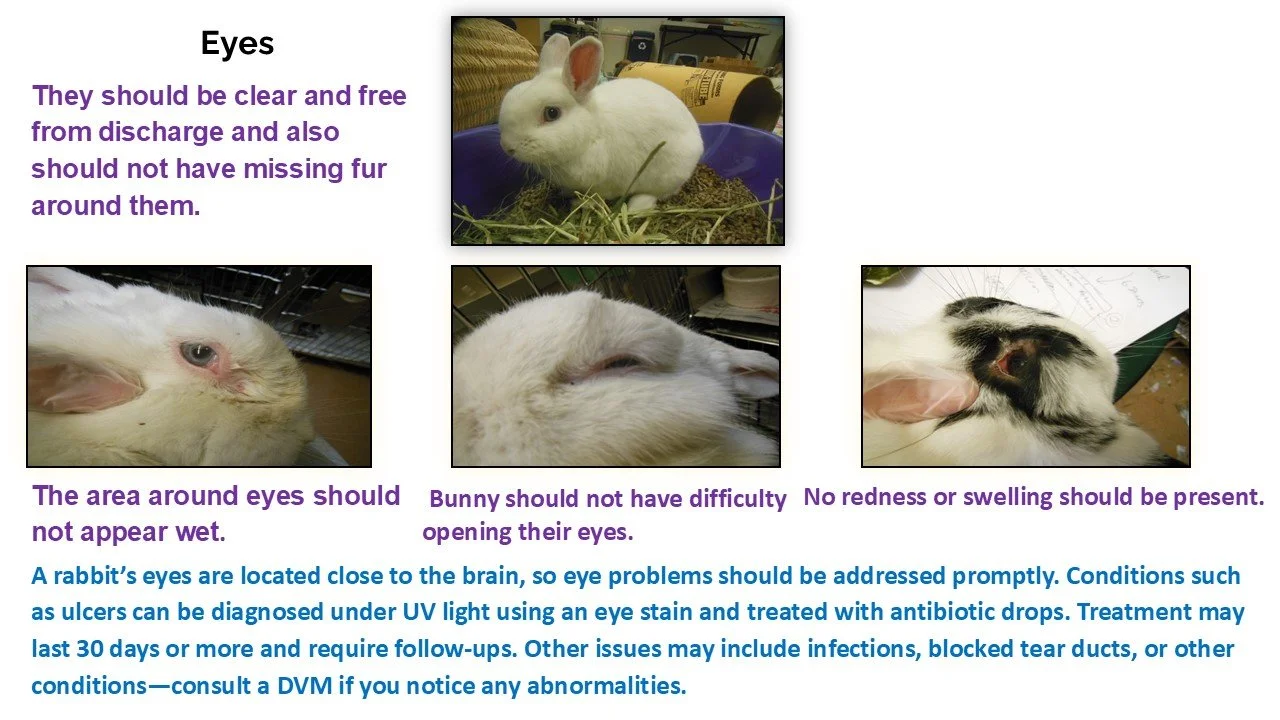
Eyes: Ensure they are clear, bright, and free from discharge. Redness or cloudiness may signal infection.
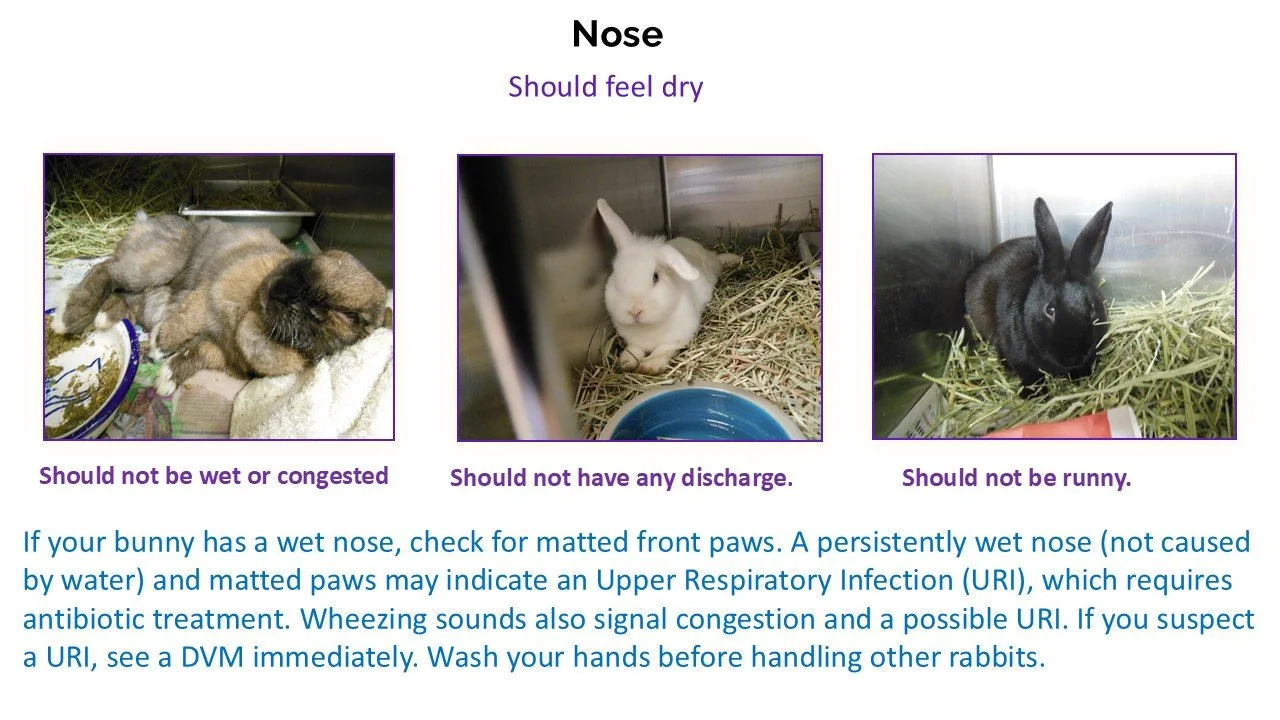
Nose: Check for cleanliness and dryness. Wetness or discharge can be signs of respiratory issues.
3. Ears:
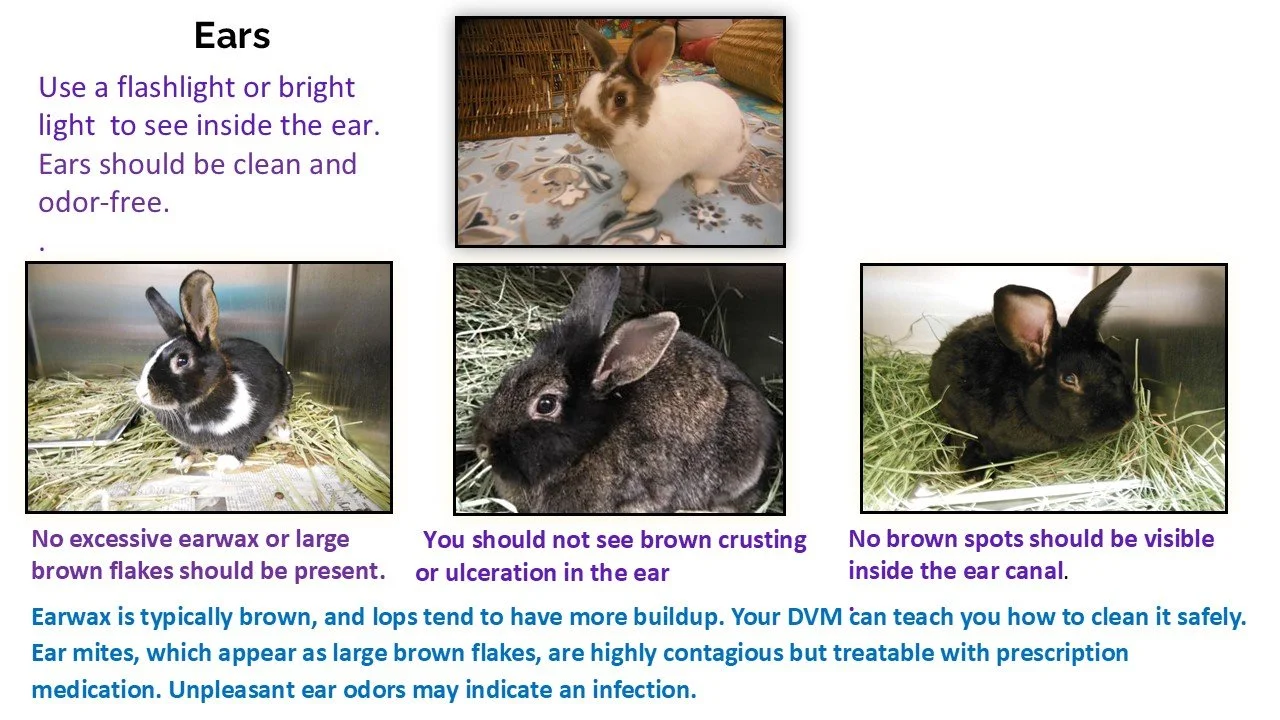
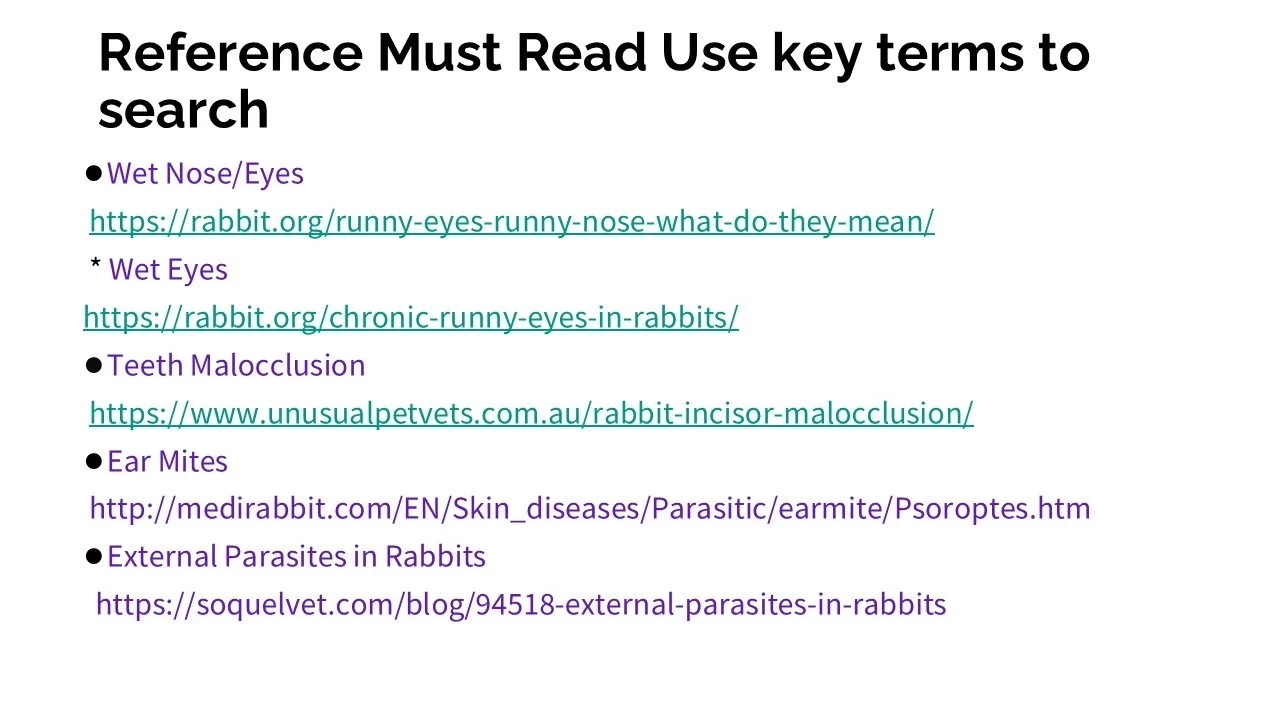
Inspection: Look inside the ears for cleanliness. Wax buildup, flakiness, or discharge may indicate infections or parasites.
4. Mouth and Teeth:
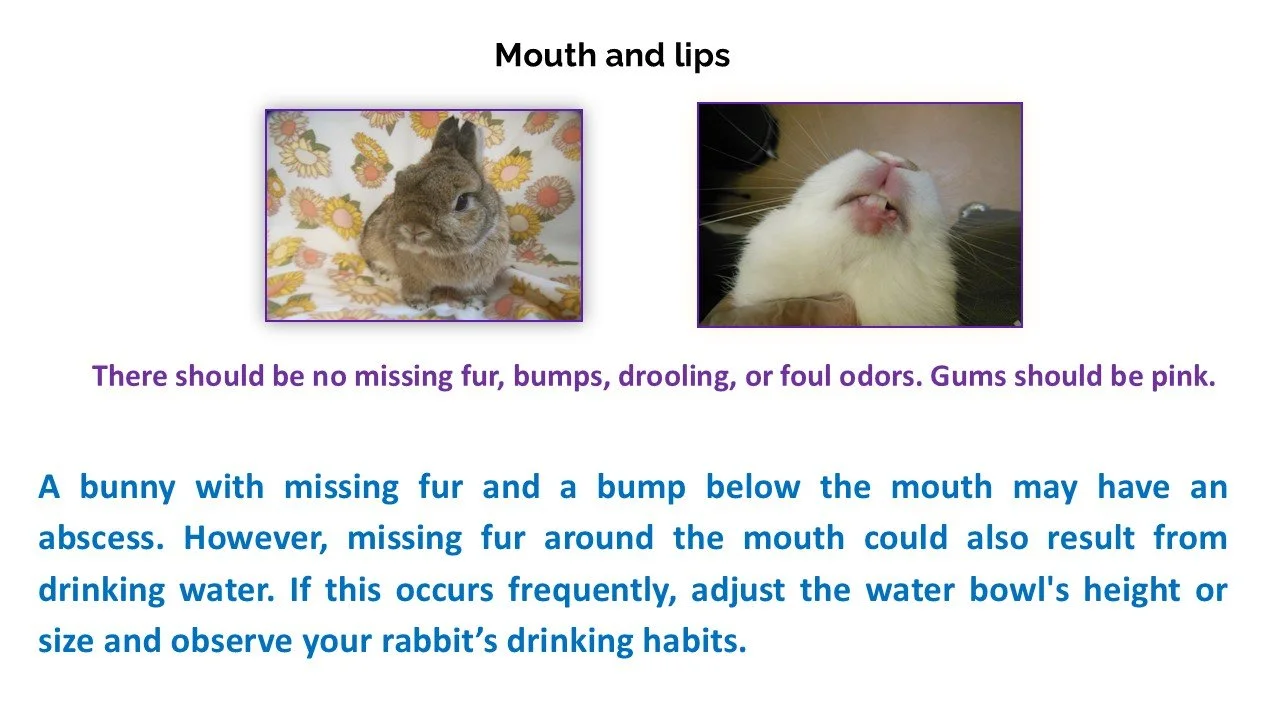
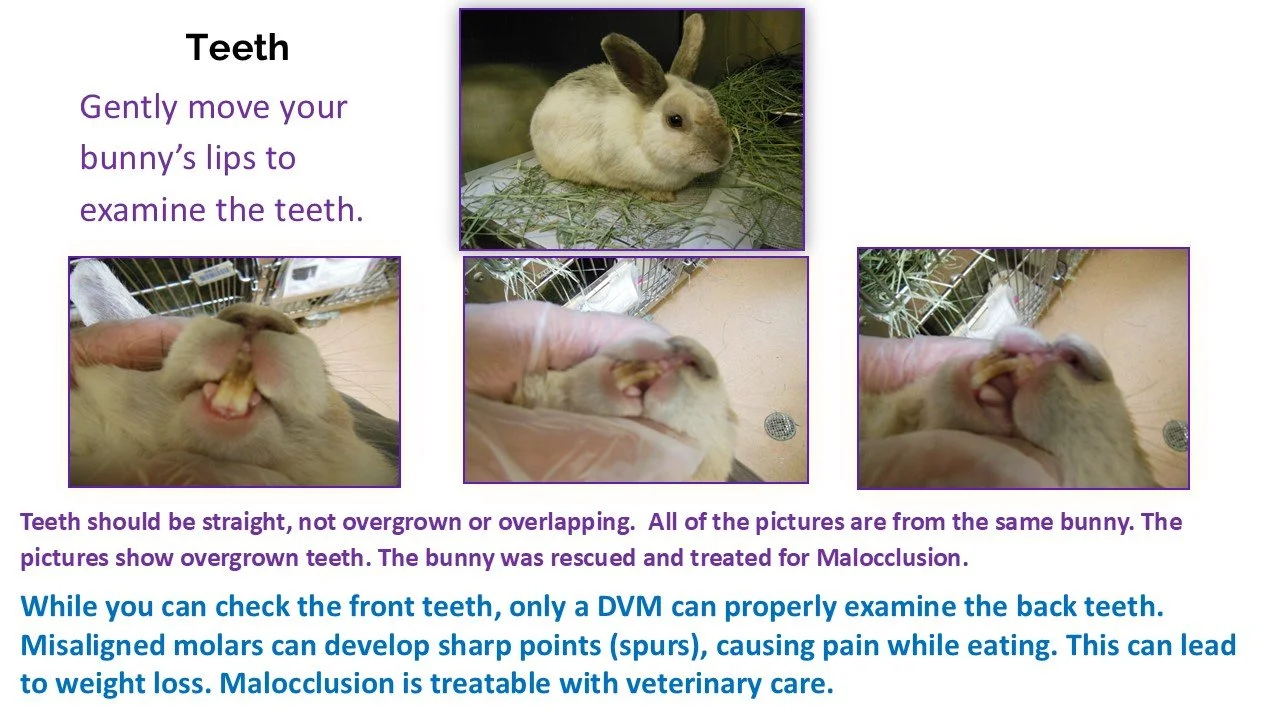
Teeth Alignment: Check that the teeth are straight and not overgrown. Overgrown teeth can cause eating difficulties and require veterinary attention.
5. Skin and Fur:
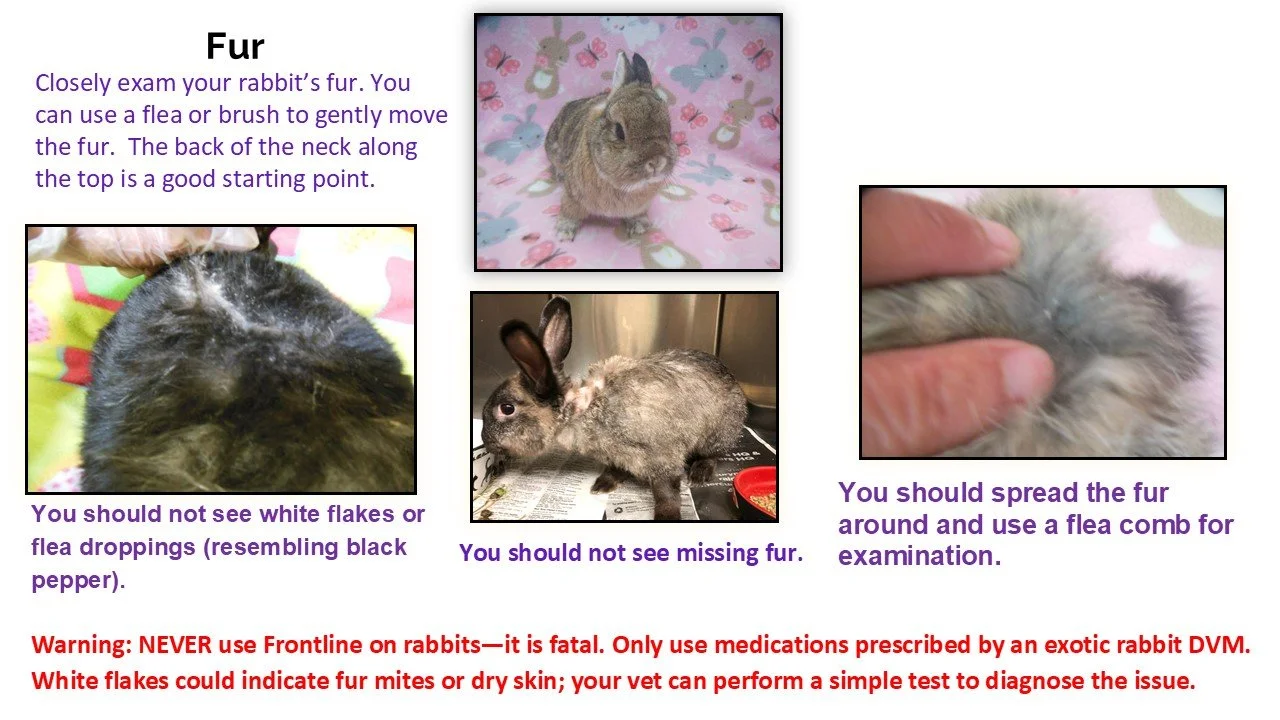
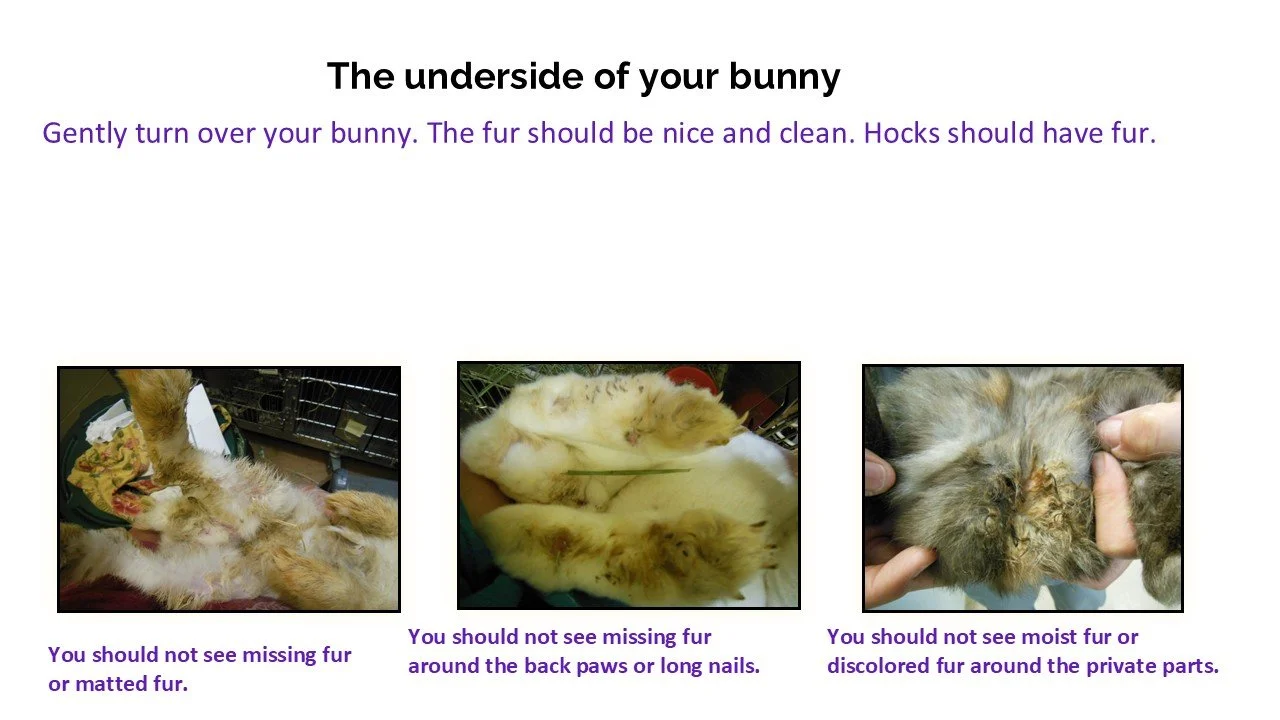
Condition: Run your fingers through the fur to check for lumps, bald patches, or signs of parasites like fleas or mites. The coat should be smooth and free from dandruff.
6. Feet and Nails:
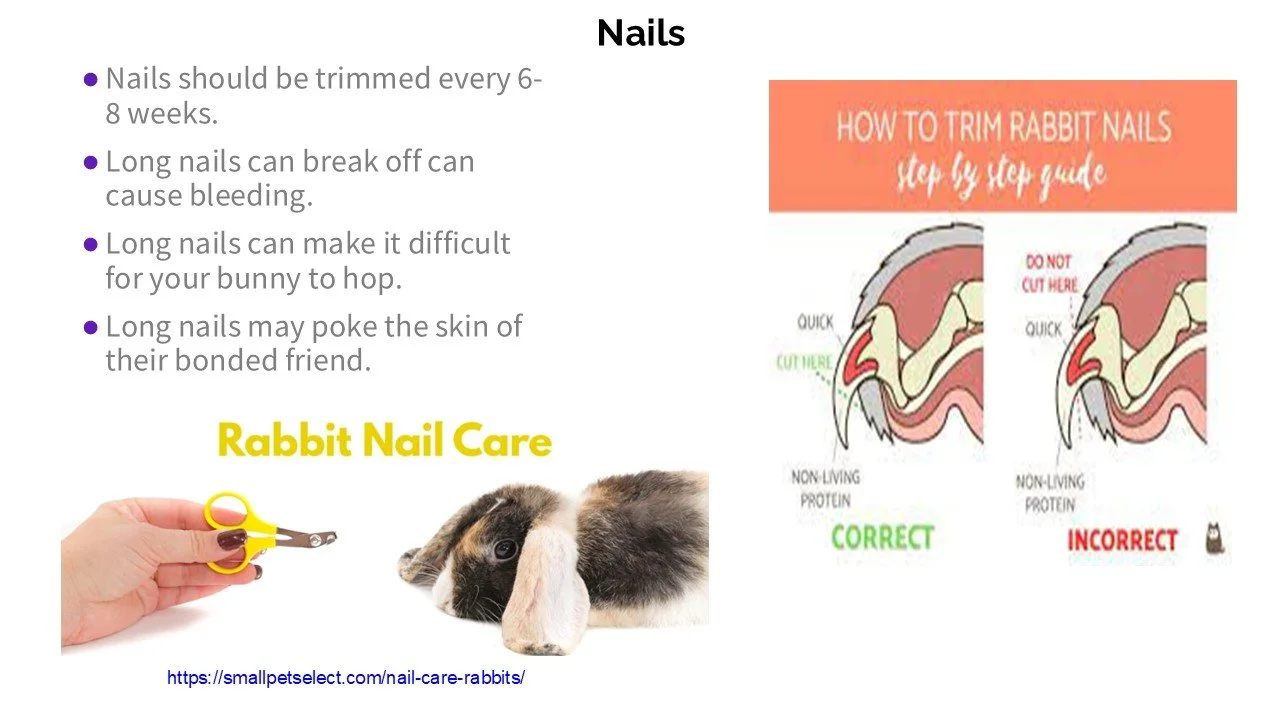
Nails: Ensure nails are not overgrown, as long nails can cause discomfort or injury.
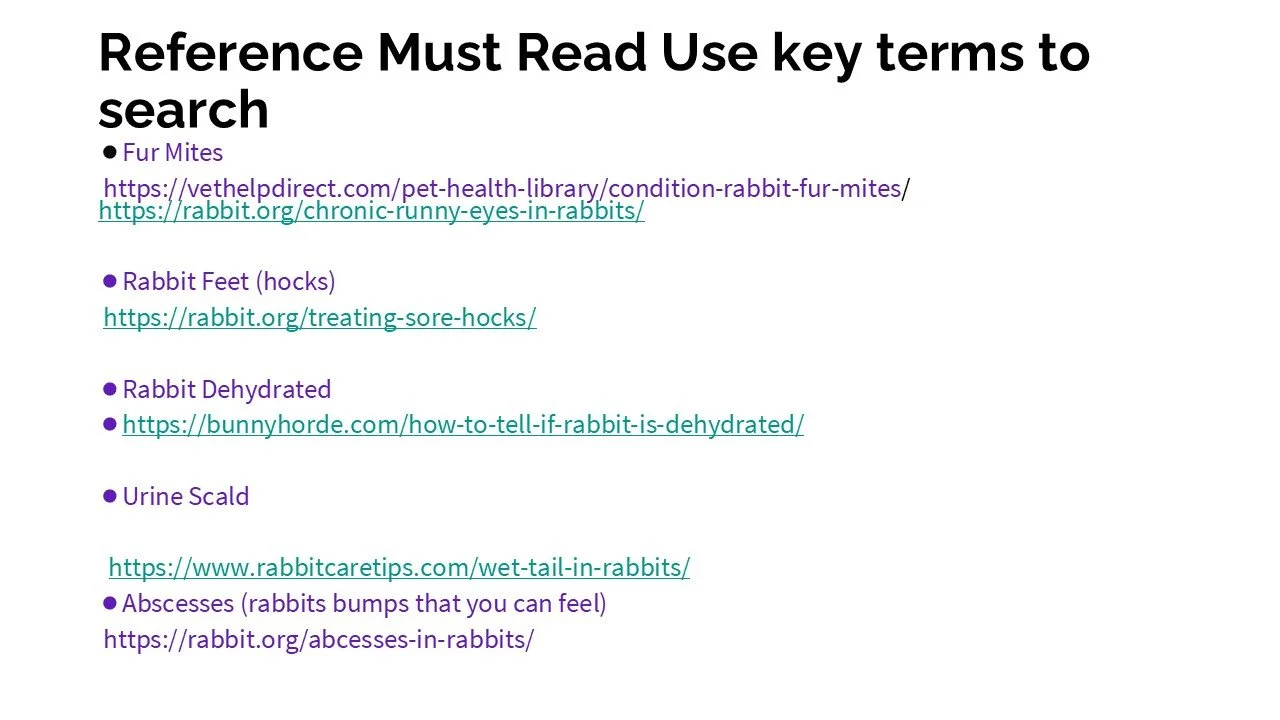
Feet: Check for sores or redness, especially on the hocks, which can indicate pressure sores.
7. Rear End:
Cleanliness: Ensure the area around the tail is clean and dry. Soiling can attract flies, leading to flystrike, a serious condition.
8. Weight Monitoring:
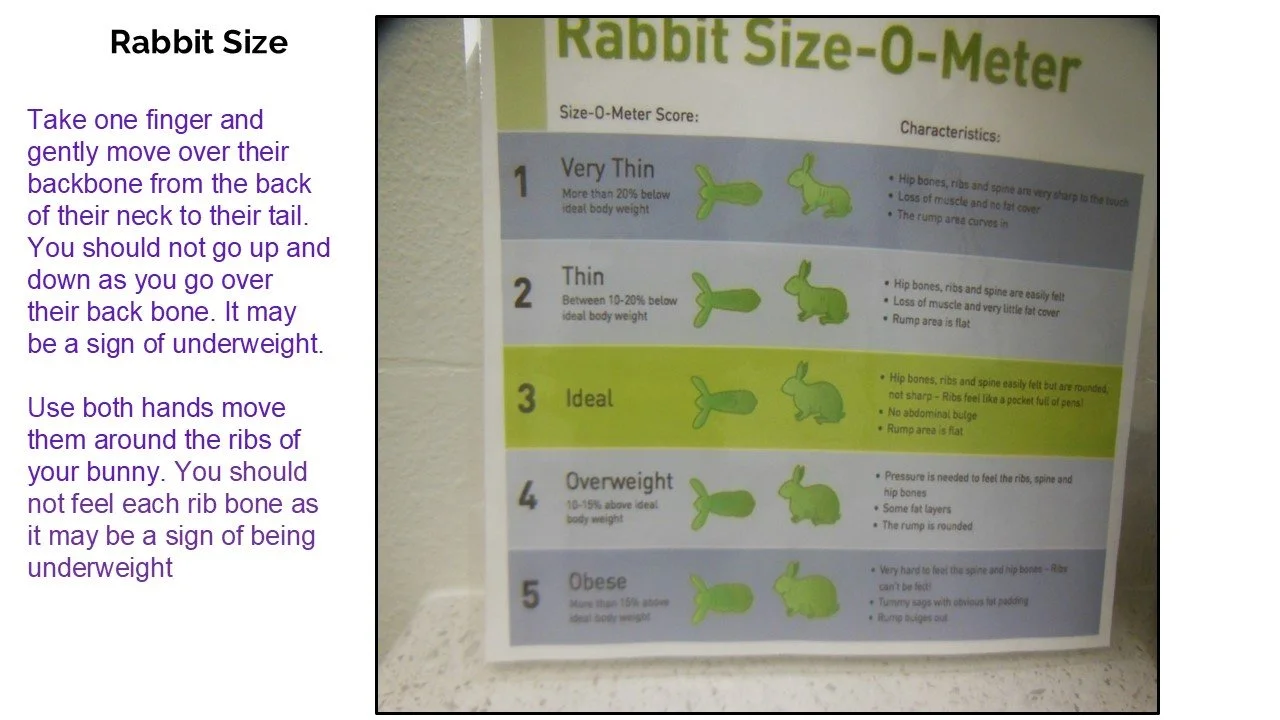
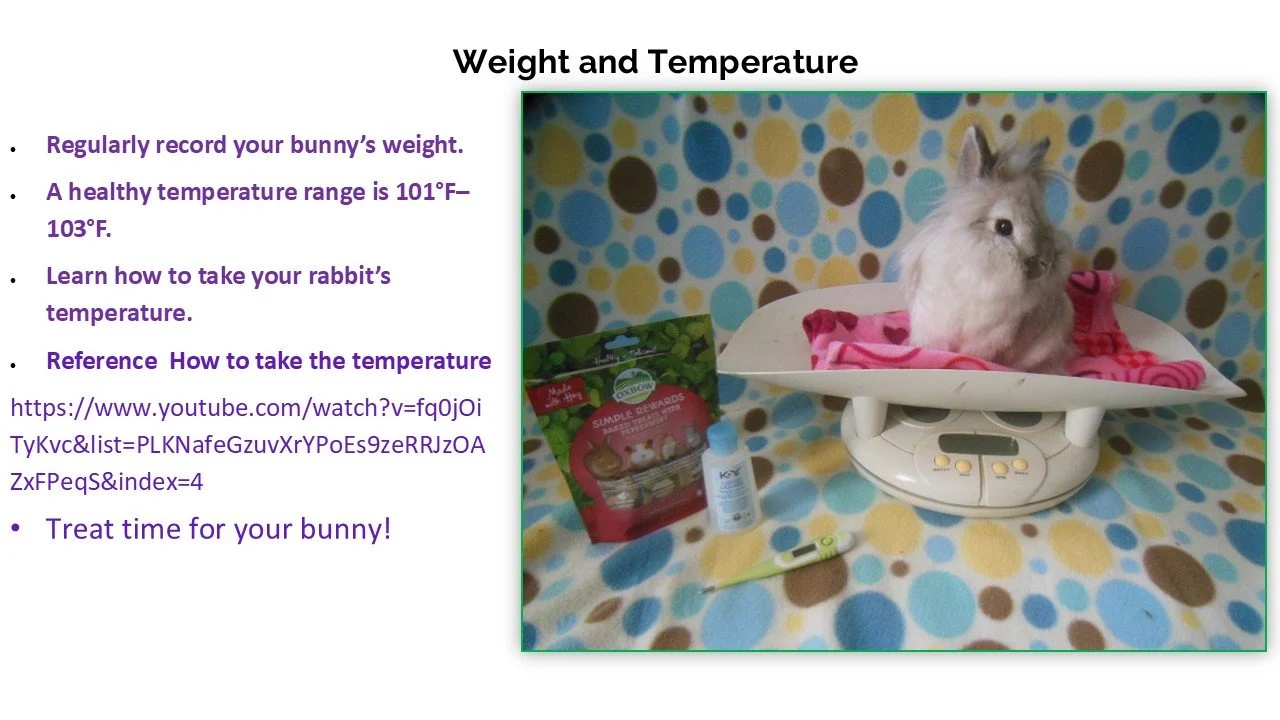
Regular Weighing: Weigh your rabbit monthly to monitor for any significant weight loss or gain, which can be indicative of health issues.
9. Breathing:
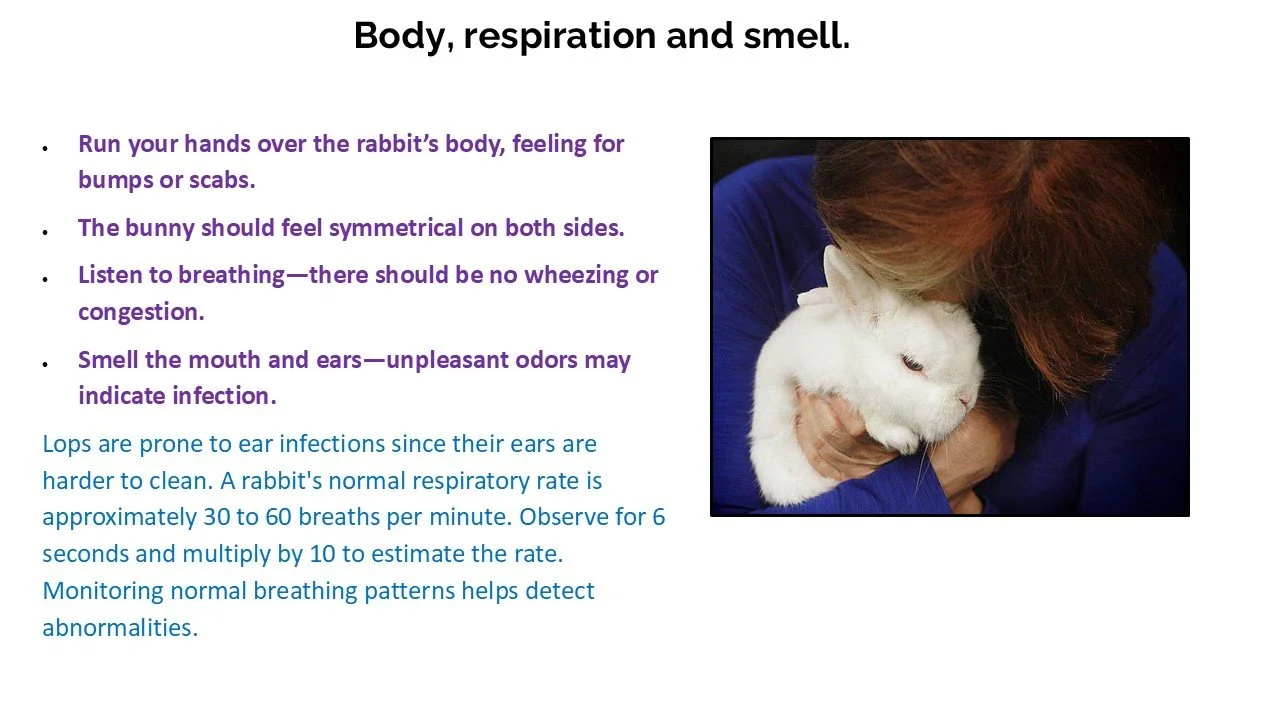
Respiration: Listen for any unusual sounds like wheezing or labored breathing, which may suggest respiratory problems.
10. Lumps and Bumps:
Palpation: Gently feel your rabbit's body for any abnormal lumps or swellings that could indicate abscesses or tumors.
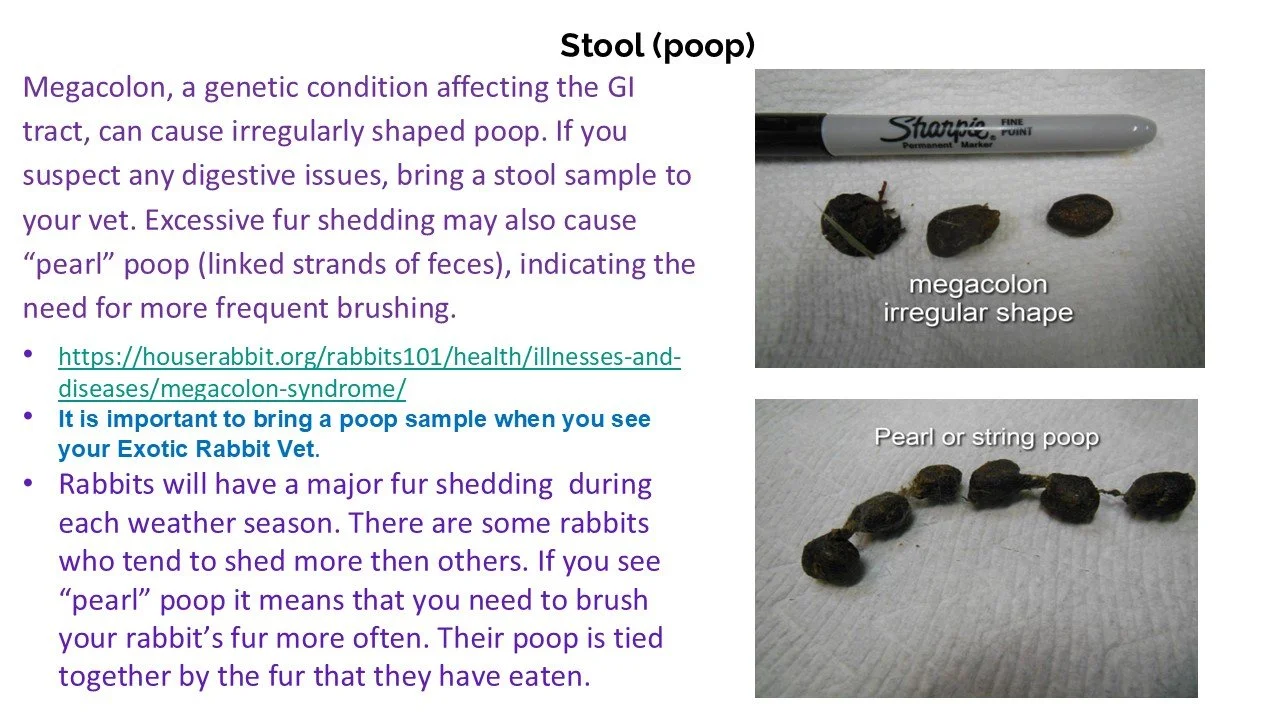
Performing these checks regularly will help you become familiar with your rabbit's normal state, making it easier to notice any changes. If you detect any abnormalities during these checks, consult your veterinarian promptly for professional advice and treatment.