
Rabbit Bonding Foundation
Bonding Foundation
Use a gentle, hands-on, and loving approach throughout bonding.
Bonding is a process of communication between rabbits.
You are an active participant—reading body language, preventing conflict, and reinforcing trust.
Prerequisites
Rabbits must be spayed/neutered:
Females: Wait 6-8 weeks post-op to fully recover from surgery.
Males: Wait 8–10 weeks for hormones to subside.
Rabbits must live indoors 100% of the time.
Rabbits must choose their own Forever Friend—bonding shouldn’t be forced with an incompatible partner.
Rabbit Bonding Guidelines
Neutral Area: All bonding sessions should take place in a neutral area — a space where neither rabbit has established territory.
Calm Environment: Bonding should be done when you are calm, alert, and stress-free. Rabbits are sensitive and can pick up on your stress, which can affect their behavior.
Session Frequency: Bonding can occur daily or every few days, depending on your availability and the rabbits’ progress.
Session Duration: Over time, sessions should gradually increase in length. As they become more comfortable with each other, you can extend the bonding period.
Bonded Criteria: A pair is considered bonded once they can spend 24 hours together without any conflicts (e.g., fighting, excessive chasing, or aggressive behaviors).
Recommended Approach:
Weekends are ideal for longer sessions.
Start bonding around lunchtime and monitor closely until dinner.
If all goes well, allow them to stay together overnight.
Remain nearby in case a conflict arises.
If they are still peacefully together the next morning, you likely have a bonded pair.
Side-by-Side Housing (Pre-Bonding Setup)
Use adjacent x-pens, but not touching—place a barrier to avoid nose biting.
Place litter boxes and hay next to each other.
Spread greens/pellets along the shared fence line. You want the rabbits to feel save eating side by side.
Rotate bunnies and their items (toys, boxes, litter boxes) every few days to share scents. You can also switch the rabbits every few days.
They are watching you. Treat both rabbits equally during this time.
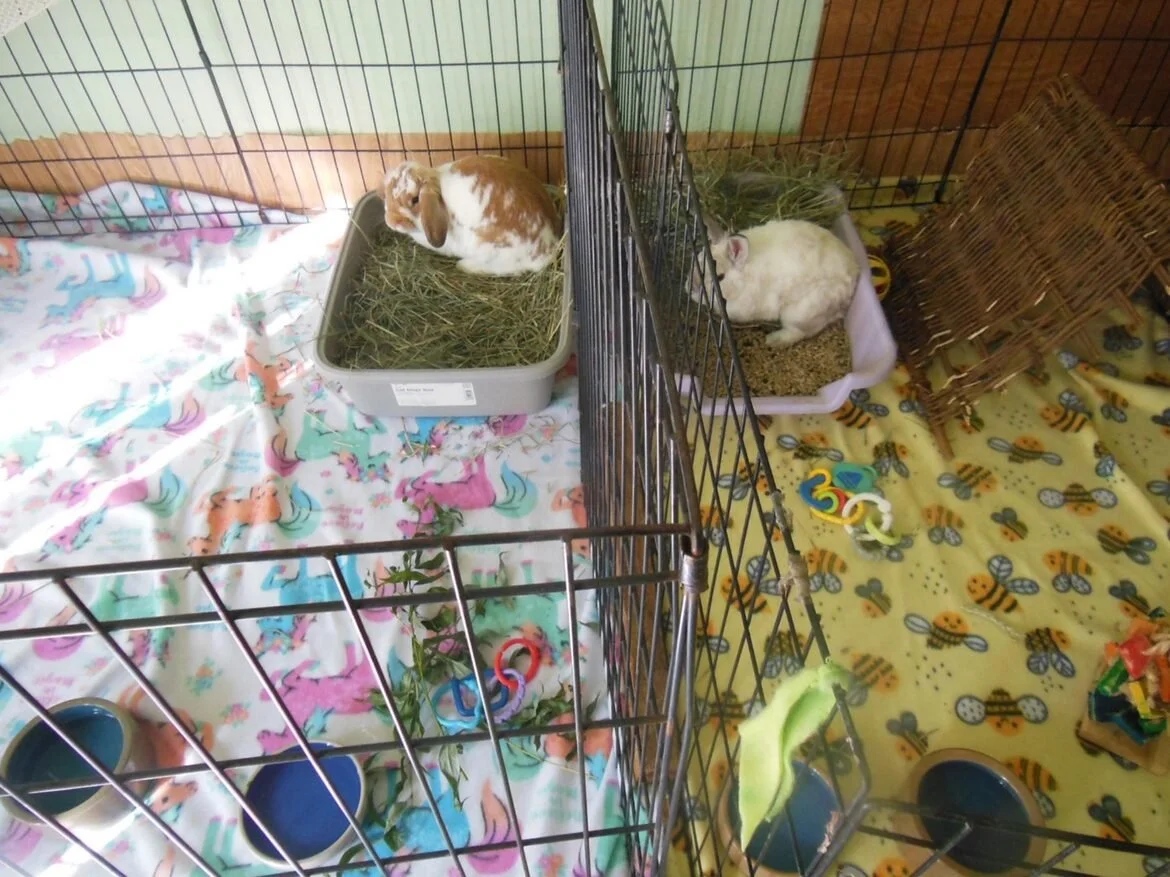
Neutral Area – Plan Ahead
Choose a neutral space where neither rabbit has established territory.
Ideally, this will be their future shared space once bonded.
If bonding occurs in a temporary neutral area (e.g., a bathroom), you may need to re-bond them in the final space later.
If the end goal is to have both rabbits live in your current rabbit’s area, you should move their housing into a temporary area. Clean the current area and use this as the neutral space.
Neutral Area
We like to use a bonding space that is 4x6 feet or similar. The size is based on that you will be in the bonding area. You will be sitting with them. You can use your arms or position yourself to help avoid concerns and to help with the bonding.
Use two large litter boxes with hay at one end.
Place a carrier or box in the center to block direct line of sight between the rabbits.
The area should be free of objects where one rabbit can feel trapped.
The Neutral Area can have fabric or an area with no traction. However, an area with no traction may delay the rabbit(s) if they are having concerns with their friend. Having fabric or similar can be added later if they are getting better.

Neutral Area for bonding your rabbit
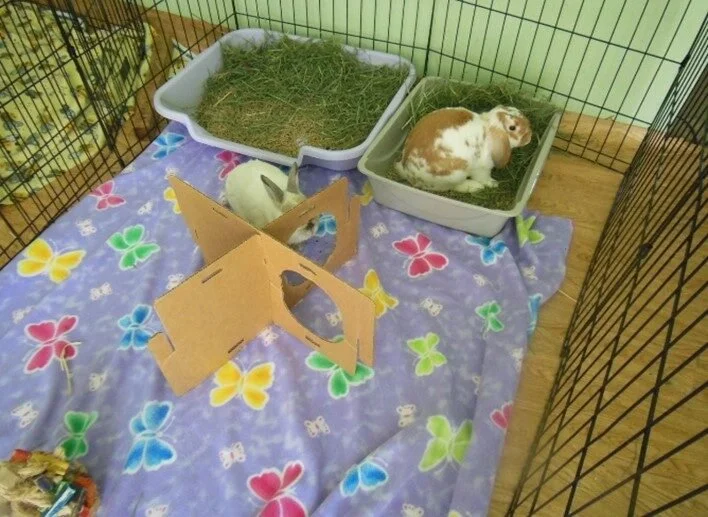
While Inside the Neutral Area:
Observe and read body language closely.
Intervene when necessary: sit between the rabbits or gently guide them.
Use a calm presence to reduce stress and prevent conflict.
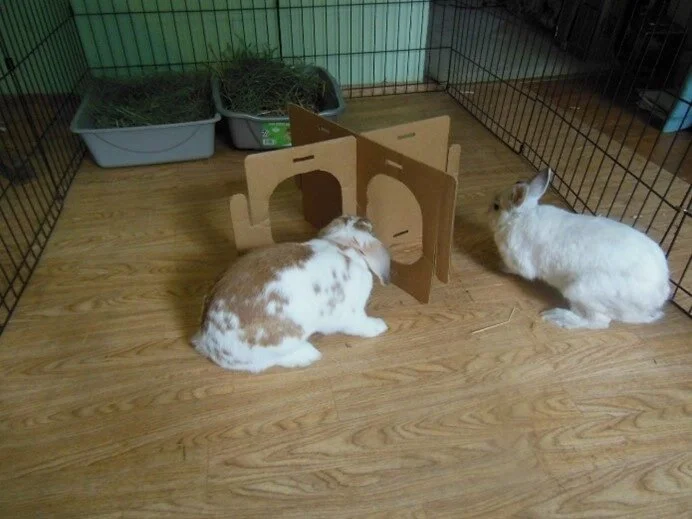
Rabbit Bonding Techniques that you can use.
Controlled Interaction Technique
Hold and pet your rabbits on a couch looking for their heads to lean in towards each other.
Use a laundry basket lined with fleece or cat bed to provide a small, neutral space. You can pet both of them at the same time.
Gently rock the basket to add mild environmental stress.
You can hold them together and put pet them with some water. Each bunny will feel that they are being groomed.
While in the bonding pen you can gently pet both of the rabbits together.
While in the bonding pen you can place each one in the litter box and pet them.
You can hold can calm one bunny
You can them a break. Place a barrier in the bonding area and give greens or pellets along the common area.
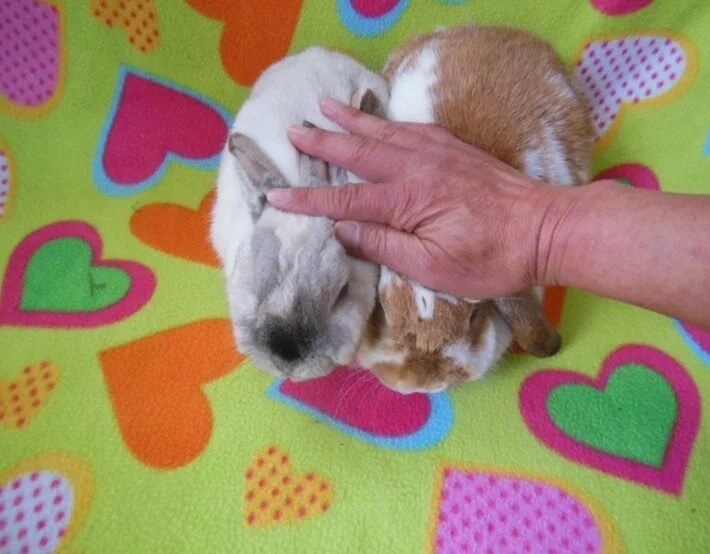
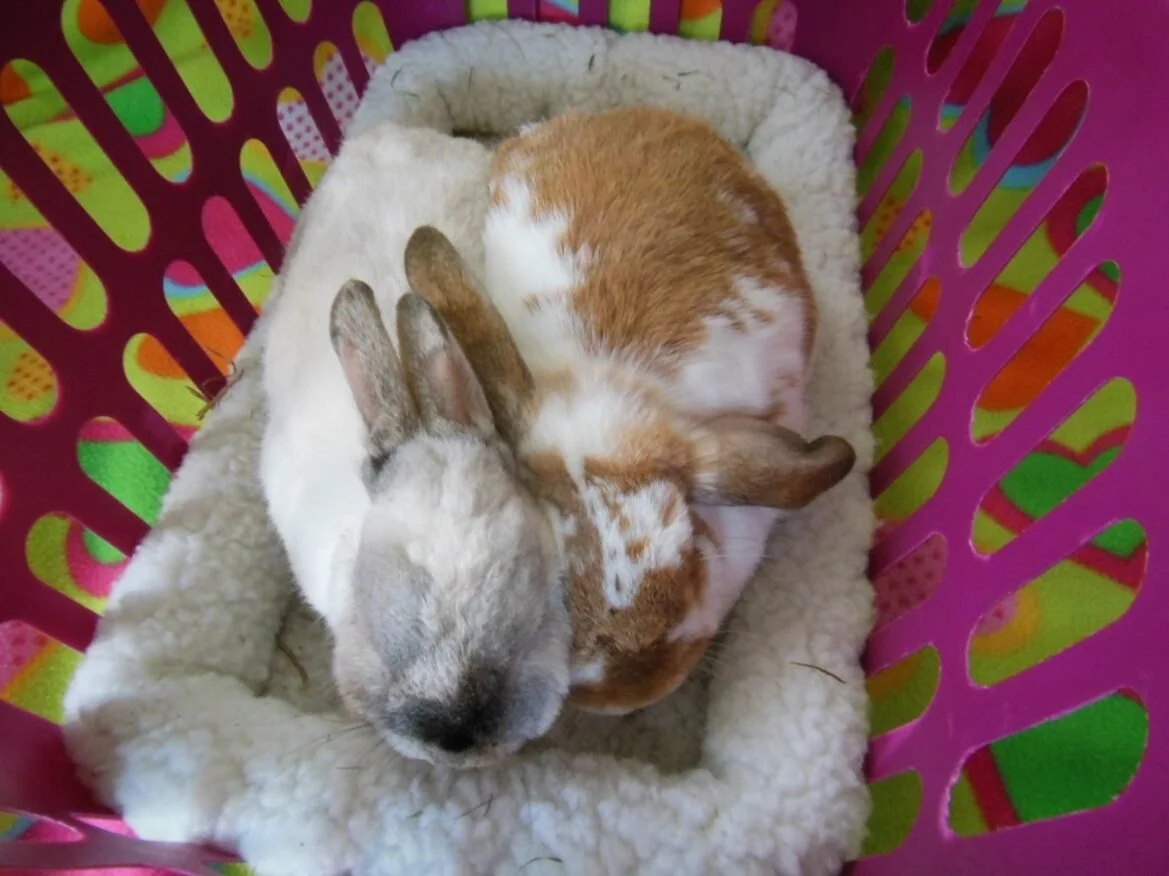
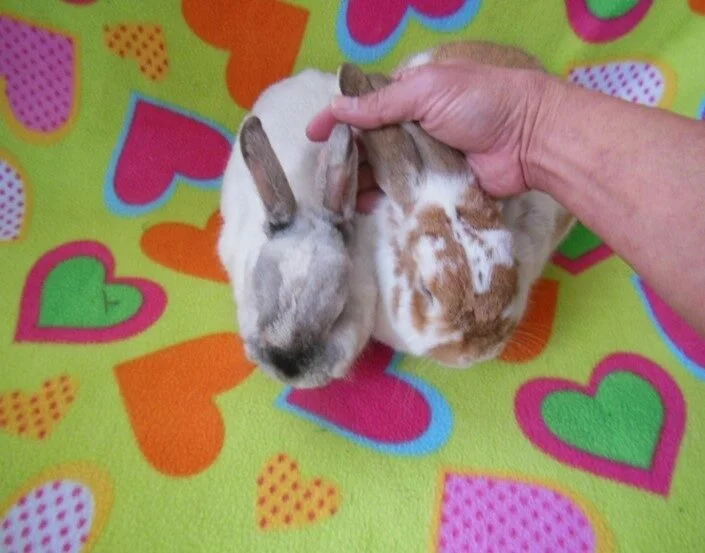
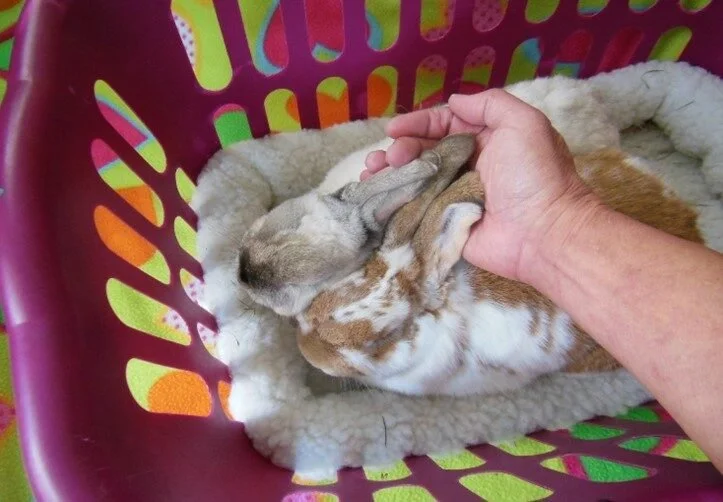
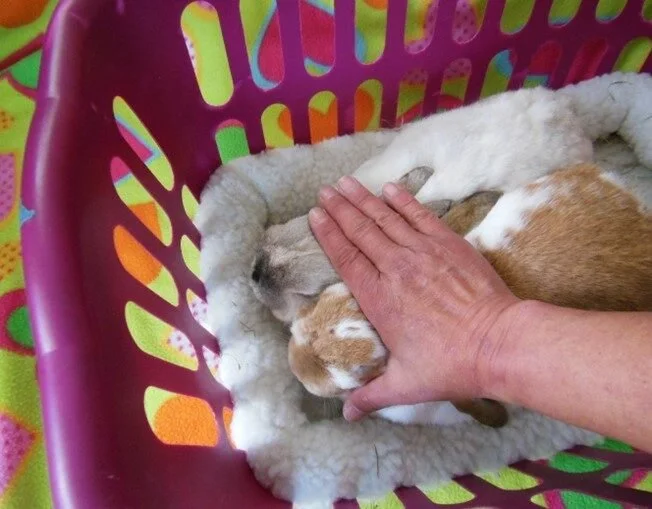
Rabbit Behavior to watch during Rabbit Bonding.
Behavior Cues to Watch
Positive Behaviors (Progress Signs)
Ignoring each other = Peaceful coexistence
Mirroring = Emotional alignment
Eating together = Comfort and trust
Laying side next to each head to bottom = each rabbit is looking out for each other
“Super Bunny” pose / Bunny flop = Deep relaxation
Grooming themselves = Feeling safe
Grooming each other Priceless they are close.
Rabbit Grooming what does that mean?
Grooming Behavior (the bunny who is being groomed tends to be the alpha bunny)
When one bunny puts their head down next to the other they are saying “groom me”. It is up to other bunny if they want to groom.
You have a standoff when each bunny puts their head down lower then other.
Grooming does not have to be 50/50. Each bunny should however groom at times the other one.
You have a “Strong Alpha” when bunny continues to put their head down.
Rabbit Humping during bonding
Humping Behavior
Humping is way to show the other bunny I am the alpha bunny.
Males and Females both can do this.
You can to move the top bunny is they are doing “Head Humping”. It can lead to harm if the other bunny bites.
One bunny may hump at the start for 15 to 30 seconds and then stop.
You are looking that the bunny is fine with it.
You do not want to see fur being pulled during this time.
You co not want to see it continue if the other bunny hops away.
There is a time when the other bunny will say “That is enough”
Rabbits do have work out between this process. They may not be a match if they cannot work it out without serious conflicts that you have to breakup.
Rabbit Bonding behavior that are a concern.
Concerning Behaviors
Head Humping: You need to move them away. The bottom one can bite.
Humping and then chacing or chacing the other bunny who is trying to get away should be stopped.
Thumping: Indicates fear—calm with soft pets.
Backside sniffing: Can escalate—intervene gently.
Each bunny approaching the other bunny with their ears back. One bunny with their ears back and body position ready to leap towards the other one.
Quick turns into each can lead to them fighting in a circle which must be stopped.
Lunge
Chinning / Guarding areas: Signals territorial stress.
Mounting: Dominance behavior—monitor for consent and signs of distress.
Fast hopping / flinching: Indicates fear or mistrust.
When to stop rabbit bonding and move on to another rabbit.
When to Stop
Chasing / biting: Immediate separation required.
End every session on a positive note with calm interaction and treats.
Keep sessions short: Start with 30–60 minutes. It can be longer as time goes on.