
Long Term Rabbit Rescue
Rabbit rescues can take anywhere from a few days to several months.
In many cases, the final one or two rabbits are the most difficult to rescue, and the timeline often depends on the location.
The last rabbits tend to be the smartest and know how to hide.
Rabbits hiding in thick bushes are especially challenging to rescue.
Rabbits living near local streets may only come out early in the morning or late at night.
Preparing for a Long-Term Rabbit Rescue
It is important to be prepared for the long haul when rescuing rabbits.
Establish a feeding station with food and water in a safe, quiet location.
Have someone monitor rabbit activity daily or every few days.
Try to understand when and where the rabbit is most likely to appear.
Keep rescue supplies in your car or readily available.
Maintain up-to-date contact information for rescue team members.
You can create a Private Facebook to share information.
You can create a Group Chat on your phone
Importance of the Feeding Station
A feeding station is critical for keeping the rabbit alive and hydrated. It also helps rescuers monitor whether the rabbit is eating, although it is understood that other animals may occasionally access the food.
In one rescue, we worked with an individual who used a wildlife camera to record activity at the feeding station. The camera sent notifications whenever an animal was present. This approach was successfully used during a three-month rescue at a preserve located along the San Francisco Bay.


Special Rescue Tools
There are several specialized rescue tools you can add over time to your Rabbit Rescue Tool Kit:
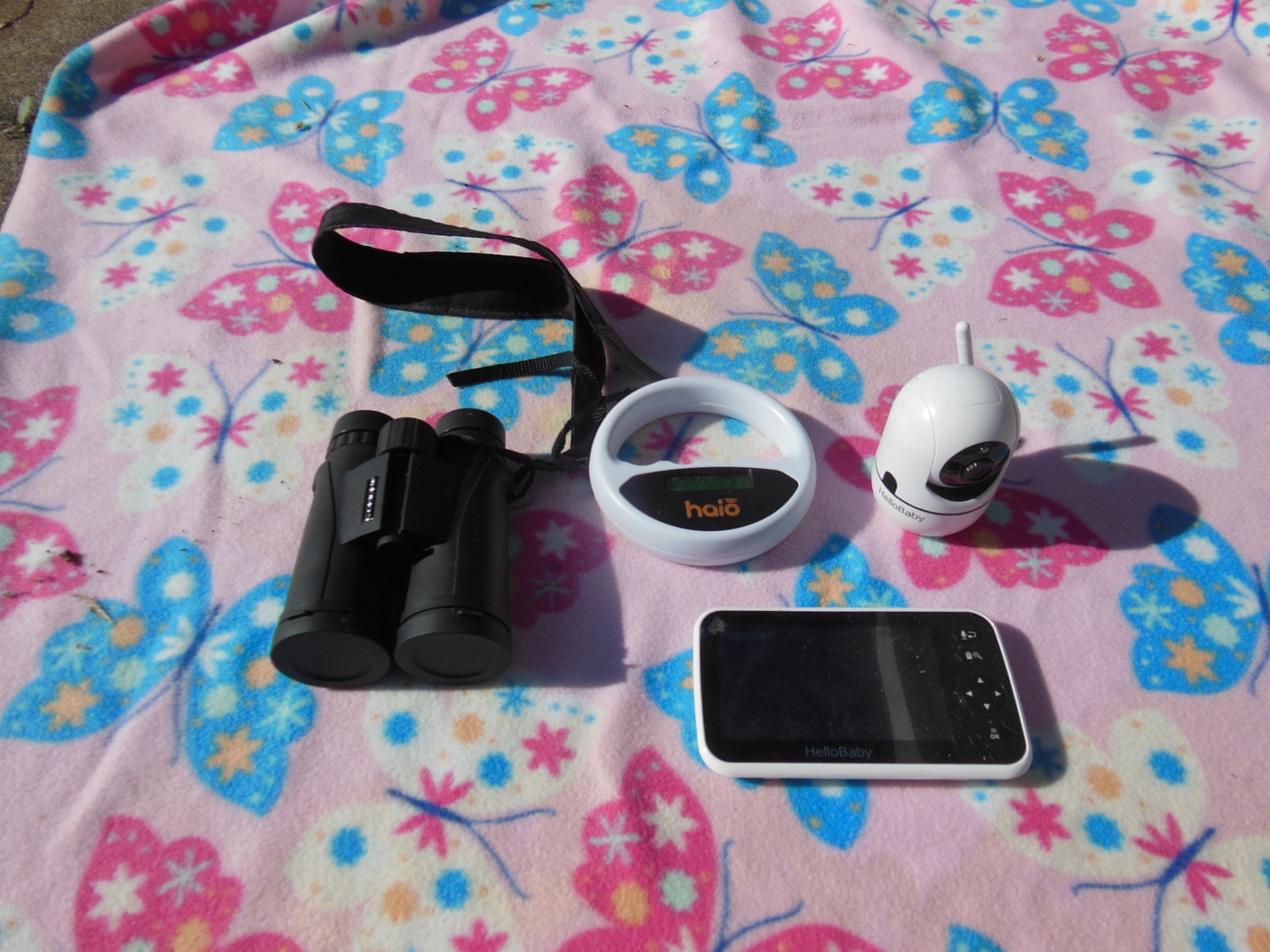
Binoculars – Useful for scanning large parklands or open areas from a distance without disturbing rabbits.
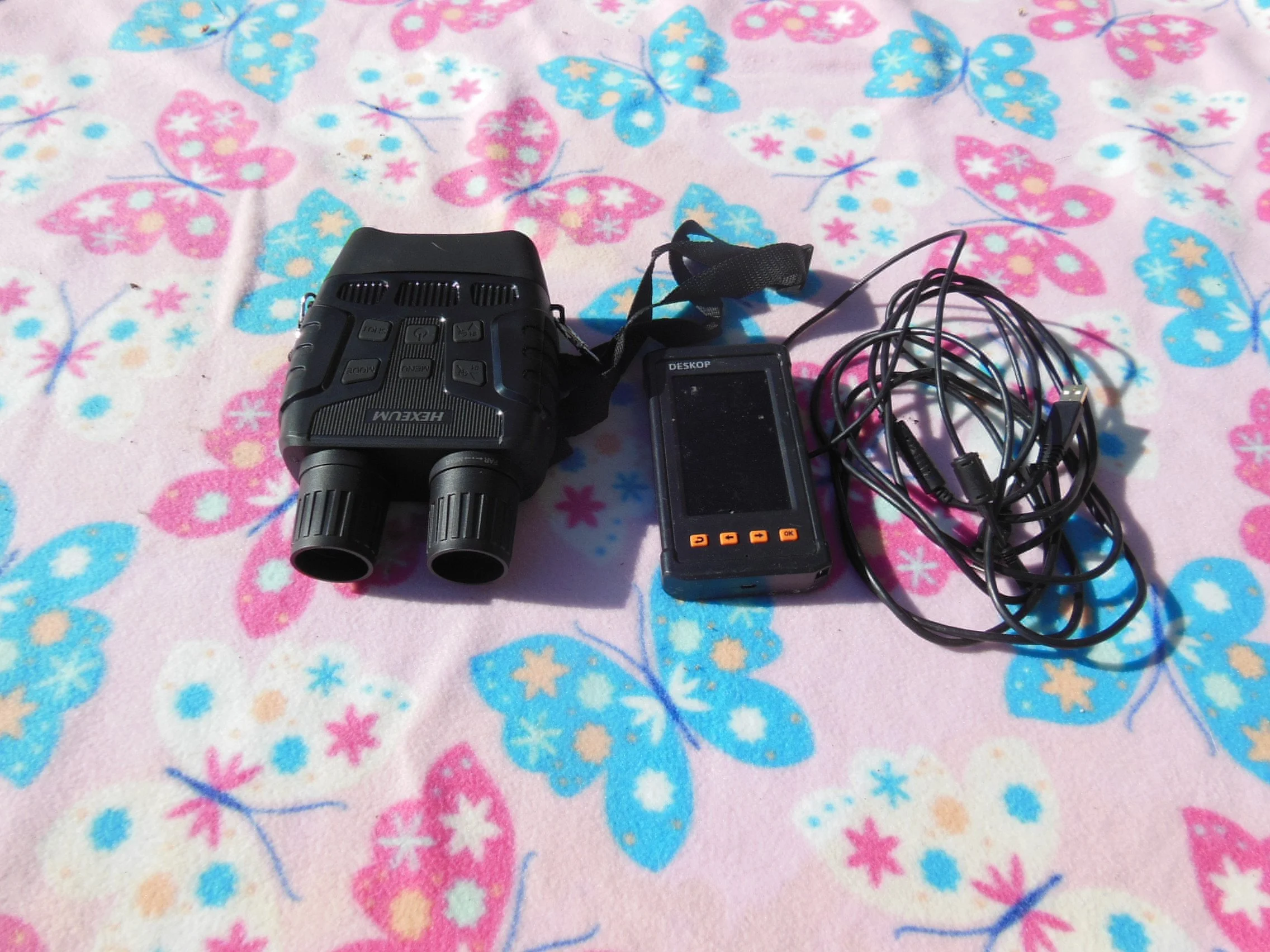
Night-vision binoculars – Helpful for night rescues or low-light conditions, especially during moonlit hours.
Baby monitor – Allows you to monitor a rabbit’s activity without the rabbit seeing or sensing your presence.
Pipe inspection camera – Used to safely look inside rabbit burrows or baby tunnels, which can extend several feet underground.
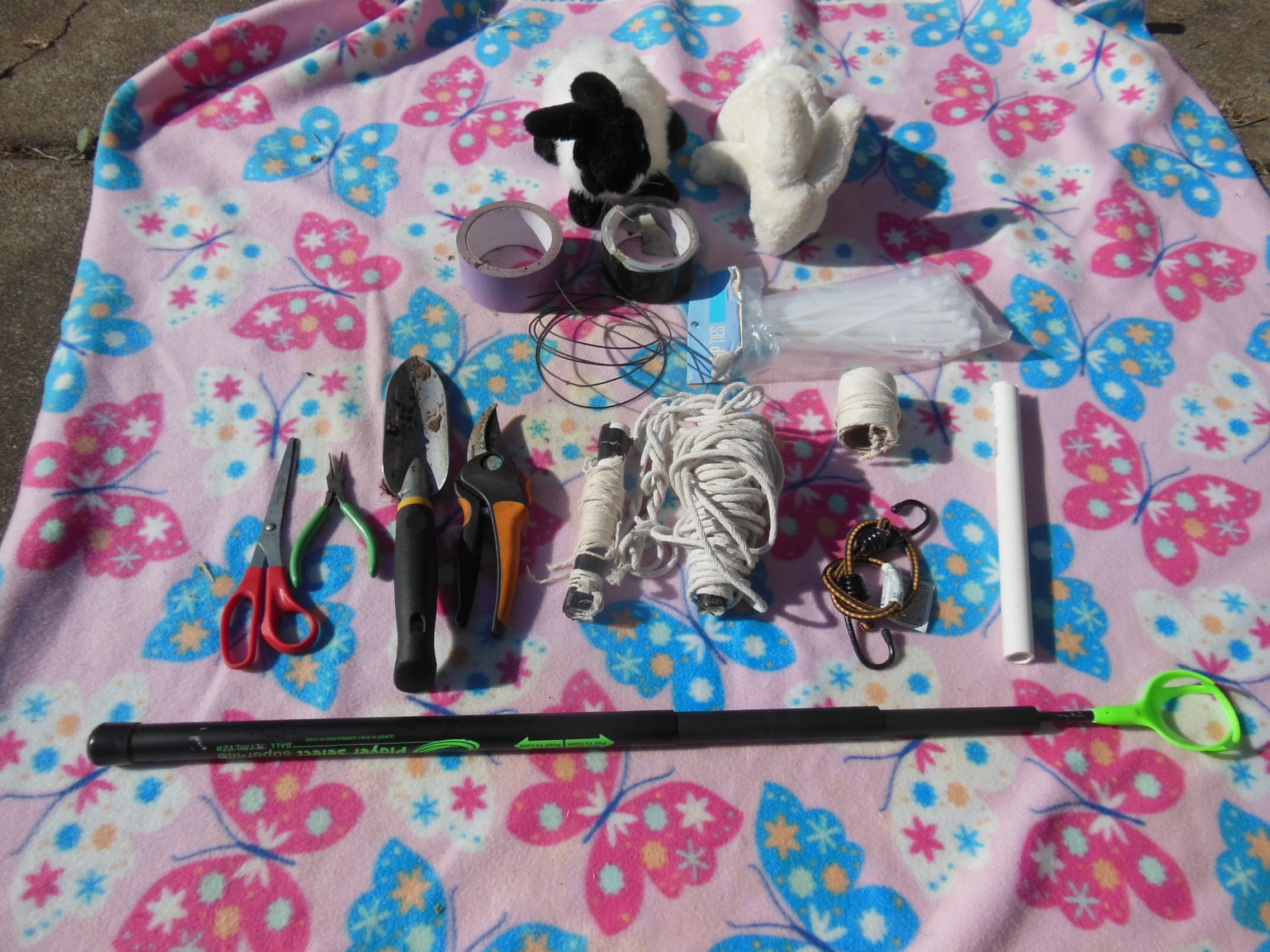
Various household items – Common household tools can often be adapted for rescue situations as needed.
Using Traps for Difficult Rabbit Rescues
For challenging rabbits that are hard to rescue, a trap may be necessary. Before setting up the trap, create a feeding station nearby. This station will provide food and water for the rabbit and help you observe it in a familiar area. You can use several methods to set up the trap with a string:
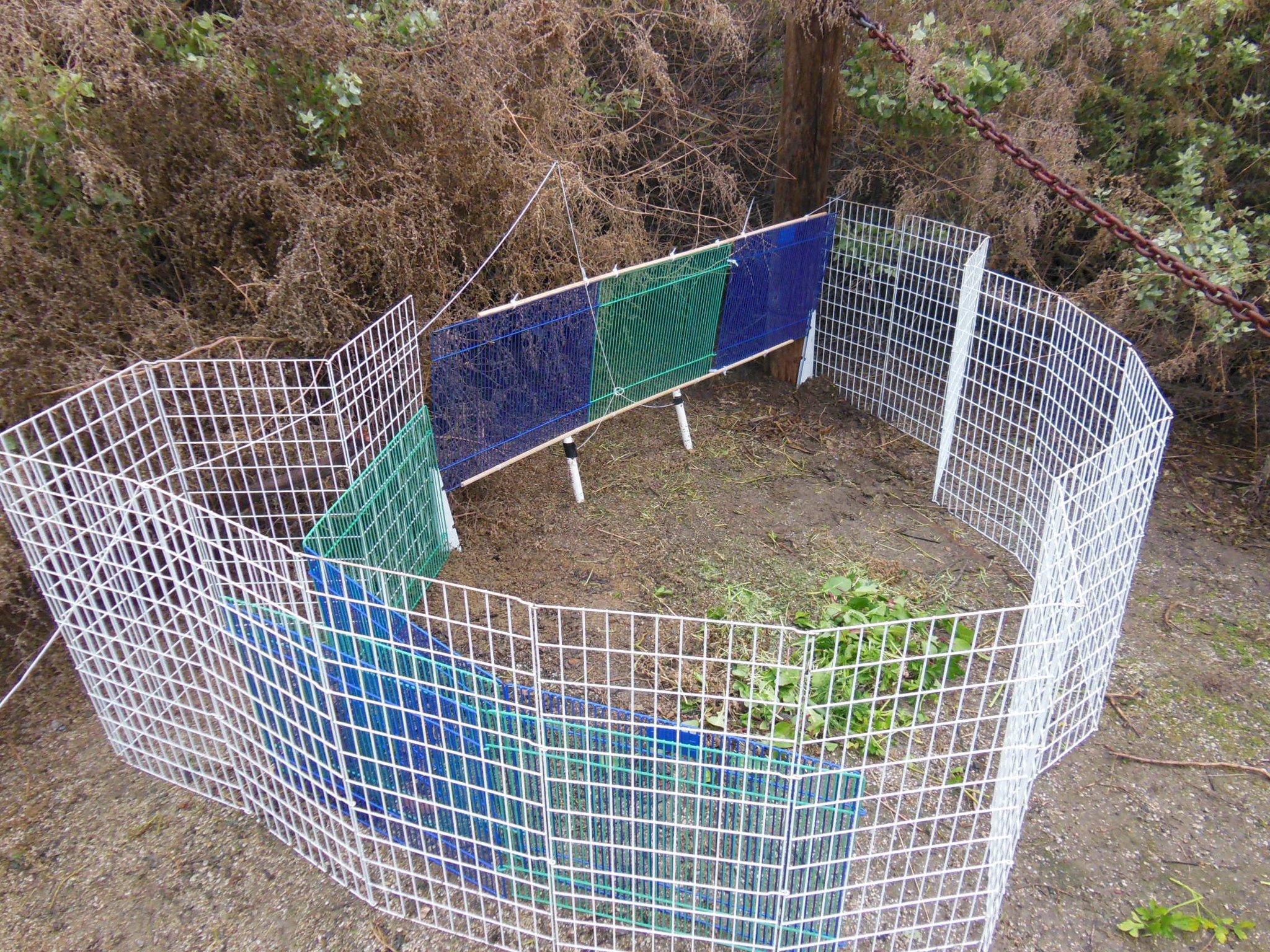
Wooden Support: Use a piece of wood held up by a small stick or PVC pipe (see first picture).
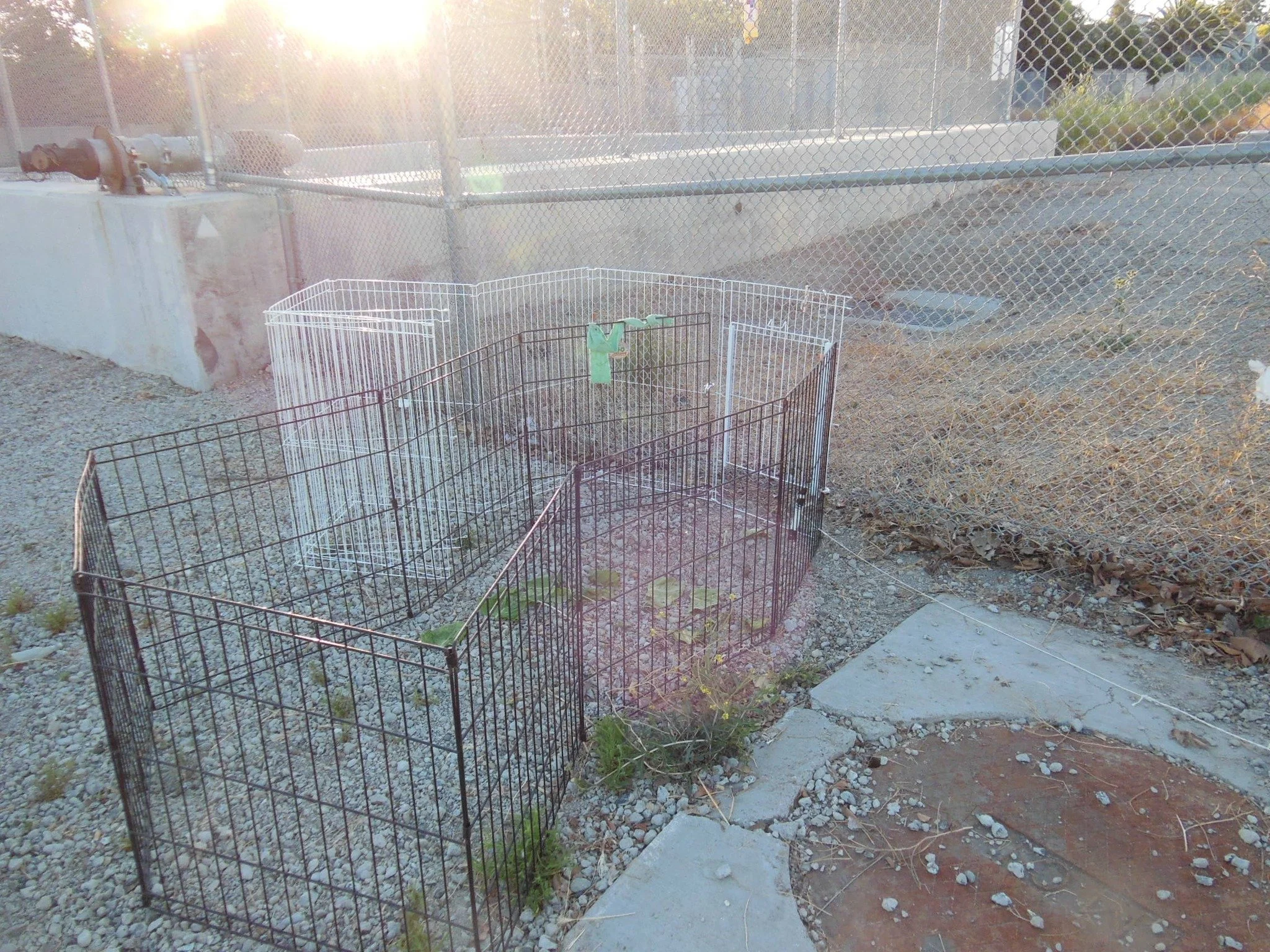
Drop Trap: Create a "drop trap" where the PVC pipe supports a small piece of an x-pen or a similar object (see second picture).
Stability: Ensure that the trap components are stable and won't tip over. Use a brace to keep everything upright.
Trigger Mechanism: Attach a string to trigger the trap. A dog leash can also work well for this purpose (see third picture).
Baiting the Trap: Place greens, bananas, or similar treats in the center of the trap, surrounded by x-pens.
Once the trap is set, sit quietly without moving. Rabbits are very alert and can hear or see any movement. Think about your next steps after the trap is triggered, as rabbits are quite intelligent.
Important Considerations:
Rabbit Awareness: Rabbits may retreat if they see the string being pulled.
Scent Detection: They can smell your hand on the trap or x-pens, which might scare them away.
Quick Reactions: If a rabbit senses danger, it may hop back to its entry point after the trap is set. Be ready to move quickly.
Alternative Trap Options:
Use a large carrier with the string tied to the door.
An x-pen with a door and the string attached can also be effective.
You can set up a large x-pen trap and wait for the bunny to enter. Once it does, close off the entry point.
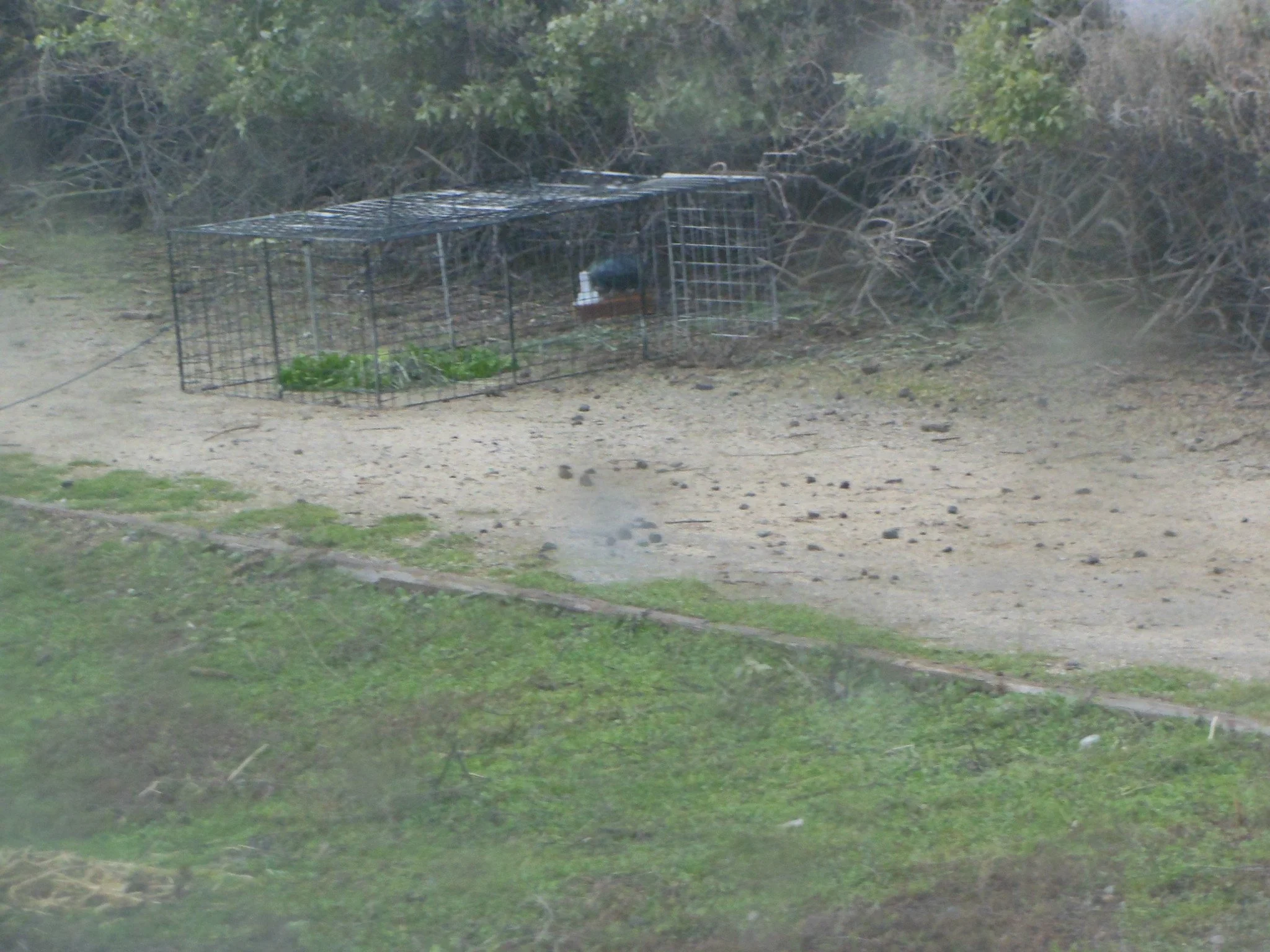
Use Cat Traps with Extreme Caution
Serious harm can occur if more than one rabbit enters the trap at the same time.
Cat traps should ONLY be used when you are certain there is only one rabbit in the area.
You must ALWAYS monitor the cat trap at all times to prevent injury to the rabbit or to other animals.