Rabbit Rescue Guide
Over 18 years ago, we rescued our first rabbit from the sidewalk using our own bare hands. At that time, we were involved in a significant rabbit rescue alongside three other 501(c)(3) nonprofit rabbit rescue organizations, during an era before Google and most social media platforms existed.
Since then, we have rescued hundreds of rabbits. I have honed my skills in this area, developing various techniques and accumulating essential items to assist in rescuing "dumped" rabbits. The purpose of this page is to share some of the knowledge I have acquired.
Rabbit Rescue Summary
Rescue Plan: Before rescuing a rabbit, have a plan for its destination (shelter, rescue group, etc.) and communicate with local organizations.
Health Check: Conduct a health assessment immediately after rescue and take precautions to prevent contamination.
Pregnancy Awareness: Assume adult females may be pregnant, especially if found with unaltered males.
Pre-Rescue Questions: Confirm the exact sighting location, ensure the requester is local, and verify transportation to a shelter.
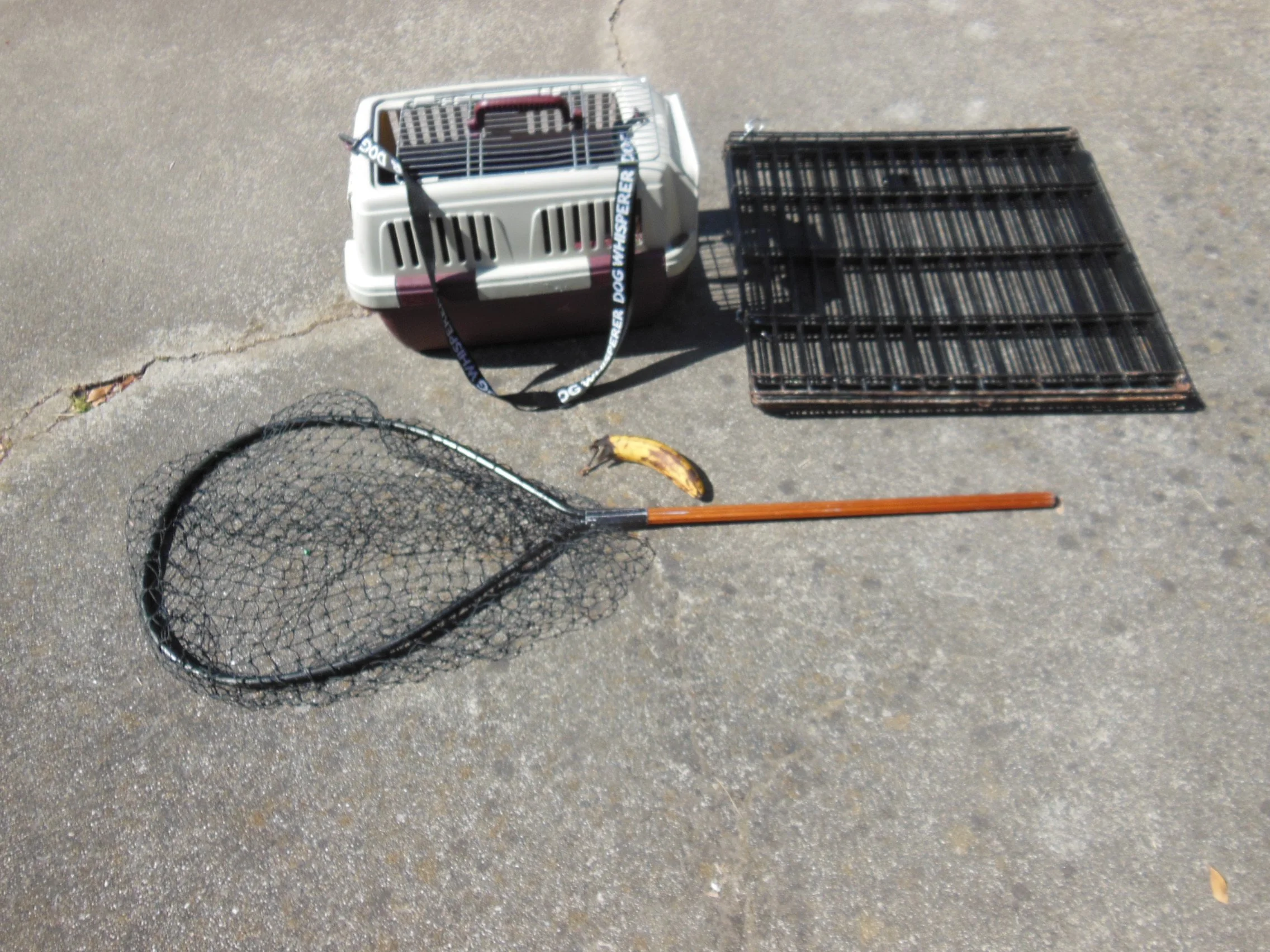
Essential Tools: Carry open-top carriers, x-pens, nets, and treats (like banana) for effective rescue.
Rabbit Behavior: Understand that rabbits are fast and skittish, often hiding. They are most active at dawn and dusk.
Rescue Rules: Stay focused, alert, and maintain visual contact with the rabbit throughout the rescue.
Team Roles:
Rescue Leader: Coordinates the operation.
Spotter: Keeps eyes on the bunny.
X-Pen Holders: Secure x-pens.
Rabbit Herders: Guide rabbits towards safety.
Public Relations: Communicates with onlooker
Team members: The number of people can be from 1 to many. Ask for help from people walking in the area.
. Ask people: Have you seen a bunny? The bunny is a domestic who cannot live outside. I am trying to rescue the rabbit.
The rescue itself is the easy part. Once the bunny is secured, you need to consider several important steps:
Have a Rescue Plan: Before attempting a rescue, you must have a plan in place regarding where to take the rabbit. This plan may involve bringing the rabbit to a local shelter, a rabbit rescue group, a friend, or keeping it yourself. Establishing a plan is common sense and a courtesy—especially to shelters and nonprofit rescue groups that have been overwhelmed for quite some time. This significantly alleviates stress for both the rescuer and the local rescue organizations.
We have collaborated with both local shelters and Animal Control during rescues, informing them of the situation and our intent to bring the bunny to the shelter. We also provide details on the Nose2Tail check and the bunny's sex. When called upon by local 501(c)(3) rabbit rescue groups, we either transfer the bunny to their care or coordinate logistics for the rescue with the shelter.
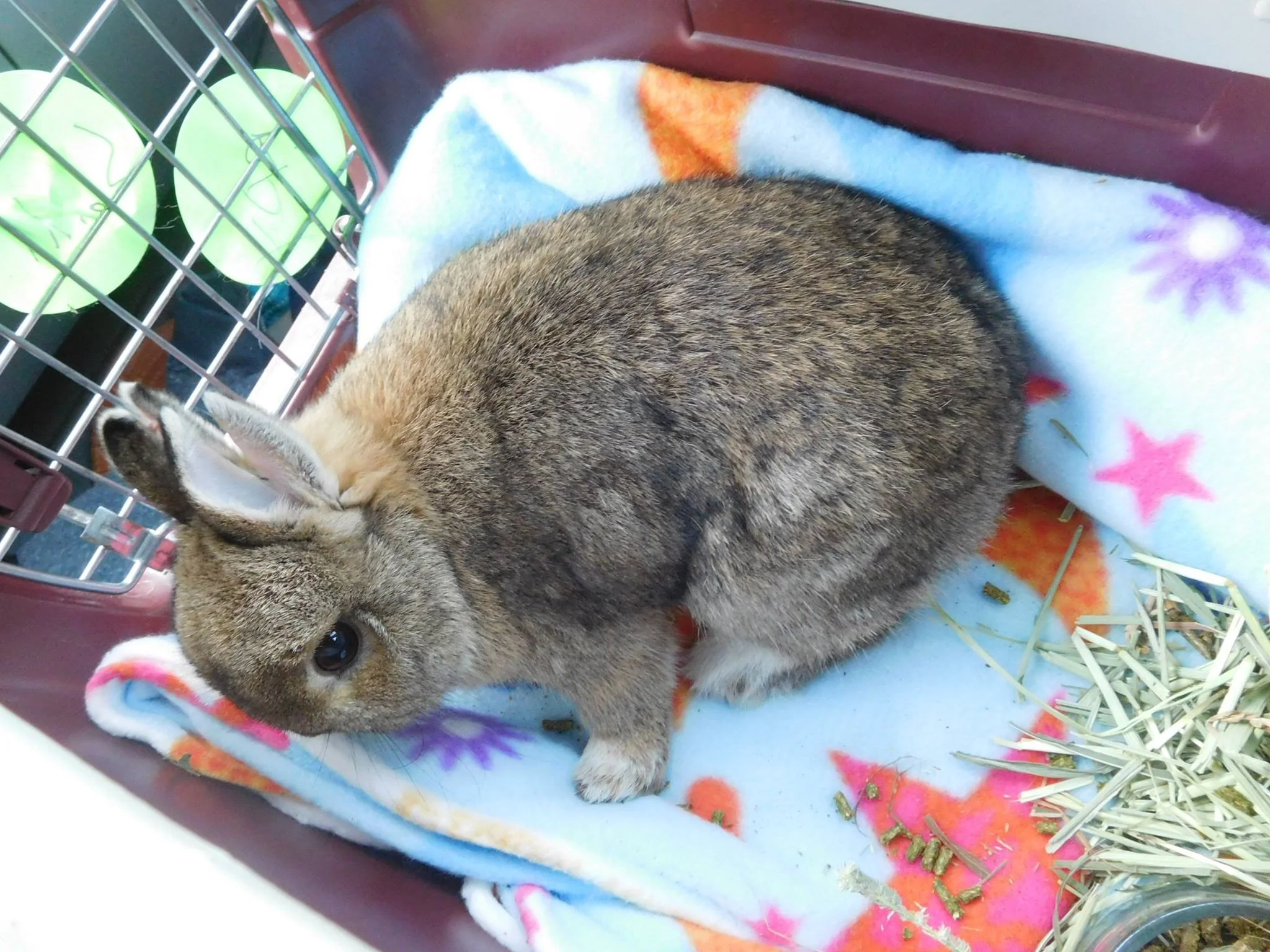
Perform a Nose2Tail Health Check: Immediately after the rescue, it is vital to conduct a health check on the rabbit. Knowing its sex and identifying any basic medical concerns is essential before proceeding with your rescue plan. When you return home, enter via the garage or backyard, and put your clothes directly into the wash to prevent bringing in RHDV2, fleas, and other contaminants. You will see the Nose2Tail guide link at the top of this page.
Assume Adult Females are Pregnant: You should operate under the assumption that adult females are pregnant, especially if they were rescued with unaltered males. Unspayed female rabbits can deliver in just 28 days, marking the day of rescue as Day 1. If the rabbit was first seen with other rabbits ten days prior, then that day counts as Day 11. It is crucial to spay any rescued unfixed female rabbit as soon as possible.
When I am asked to assist with roadside rabbit rescues, I ask the following questions:
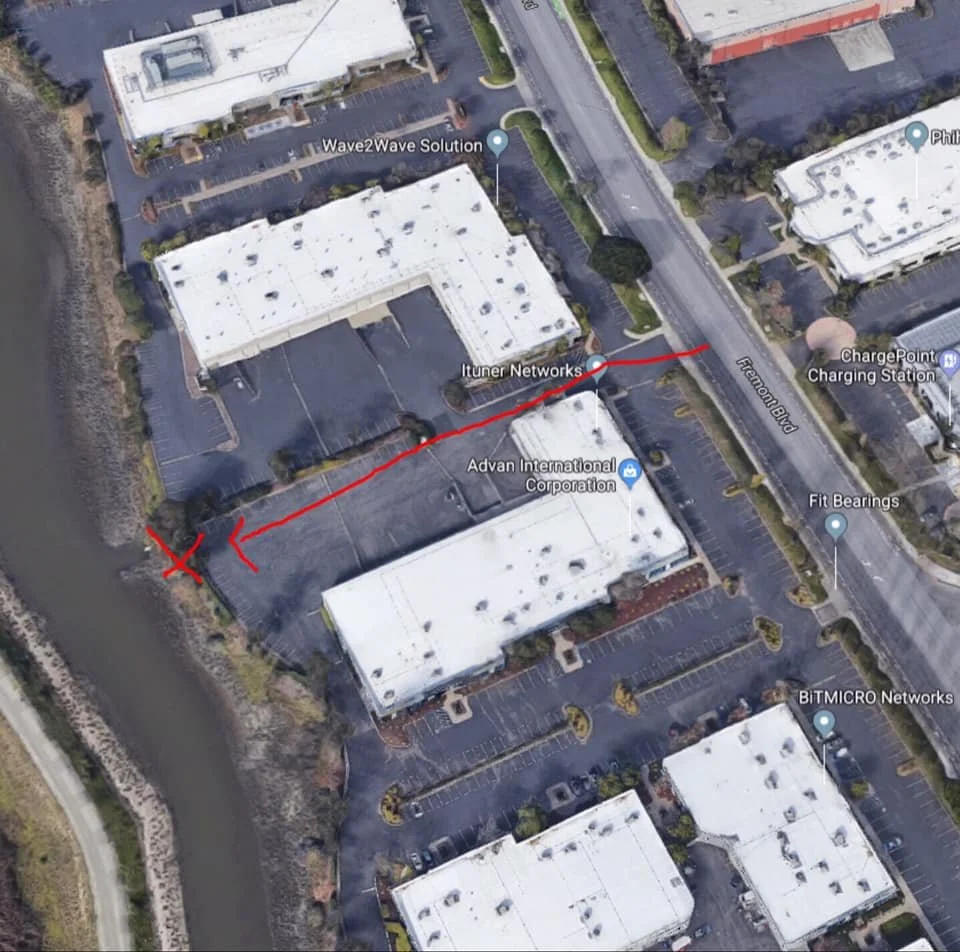
What is the Exact Location and When Was the Bunny Last Seen? Roadside rabbit rescue is a “real-time” activity; the closer to the actual time of sighting, the better. I will Google the address to assess the area, considering factors like street traffic, safety, and the size of nearby parks. There are often known sites where rabbits are "dumped."
Do You Live in the Area, and Can You Be Present for the Rescue? If the area is residential, it is essential that the person requesting help resides there. I cannot rush to a location without a valid reason. It is important for the person to affirm, “I LIVE here,” and confirm that the rabbit was indeed "dumped." Familiarity with the area and its inhabitants is crucial, as I have had to turn over rescued bunnies to individuals living nearby.
If Rescued, Will You Take the Bunny to a Local Shelter? I am not a rabbit rescue group; I need assurance that the individual requesting help will transport the bunny to the local shelter. If the request comes from a rescue group, that is a different scenario, as I have previously coordinated rescues where the bunny was fostered by the group.
Basic Tools for Rabbit Rescue
Bunny Rescue Checklist
Essential Items
☐ Open-top carrier (preferably with a shoulder strap useful if alone)
☐ X-pens
☐ Net
☐ Banana (or similar lure)
Note: You may not have all items available. If needed, the bunny can still be safely secured in your car and later placed in a box or similar container.
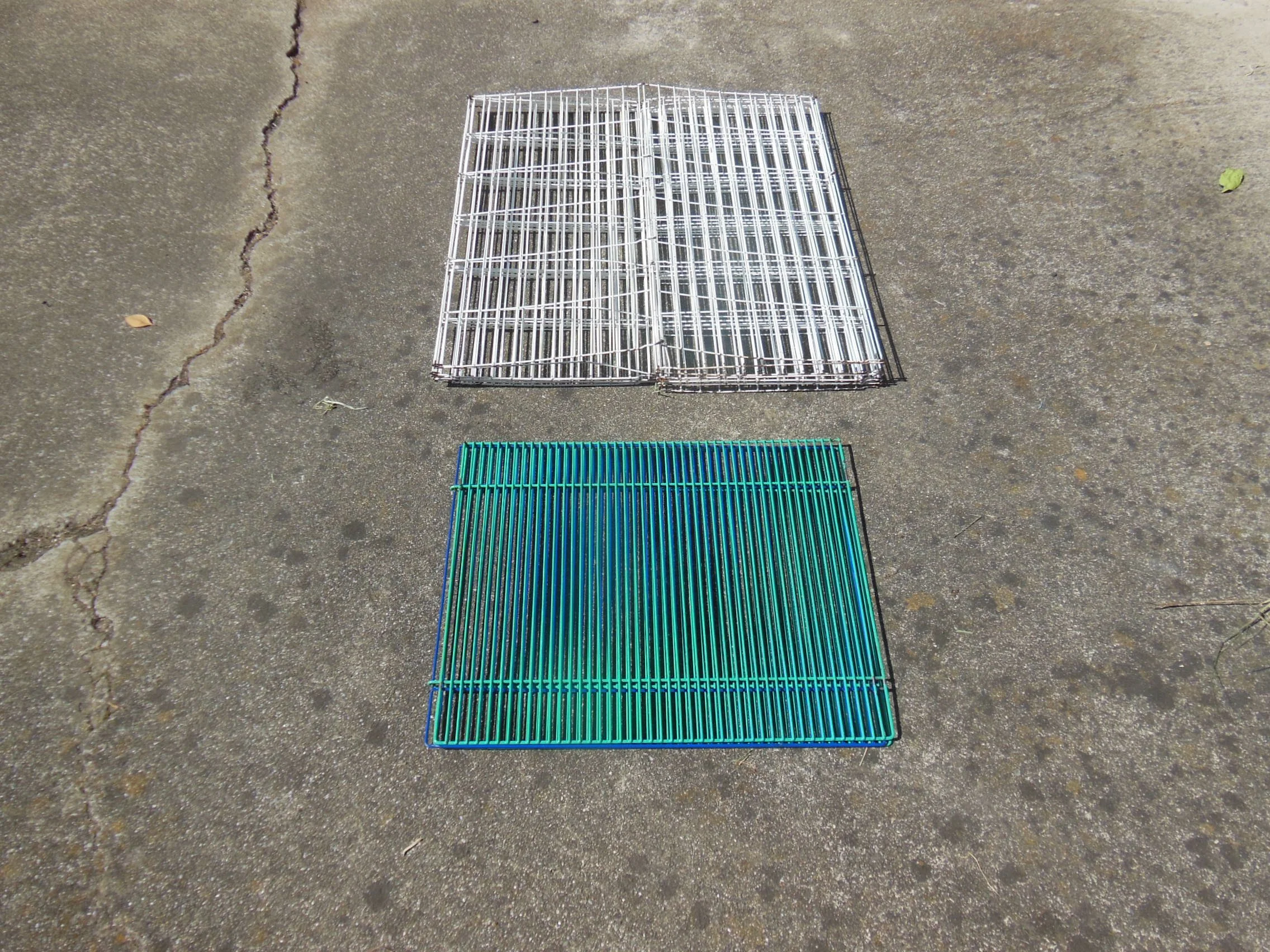
X-Pens
☐ 24" x-pens (preferred due to lighter weight)
☐ 30" x-pens (optional)
Typical quantities:
☐ 3–5 x-pens for most rescues
☐ Up to 15 x-pens for larger or more complex situations
(gradually acquired from garage sales and flea markets)
Specialty Pens
☐ “Baby x-pens” (for kits; they can go through the standard x-pen spacing.)
☐ 8" x-pens / guinea pig pens (useful in dense brush)
Note: Full-sized x-pens may not fit into brushy areas; 8" pens are often more practical in these situations.
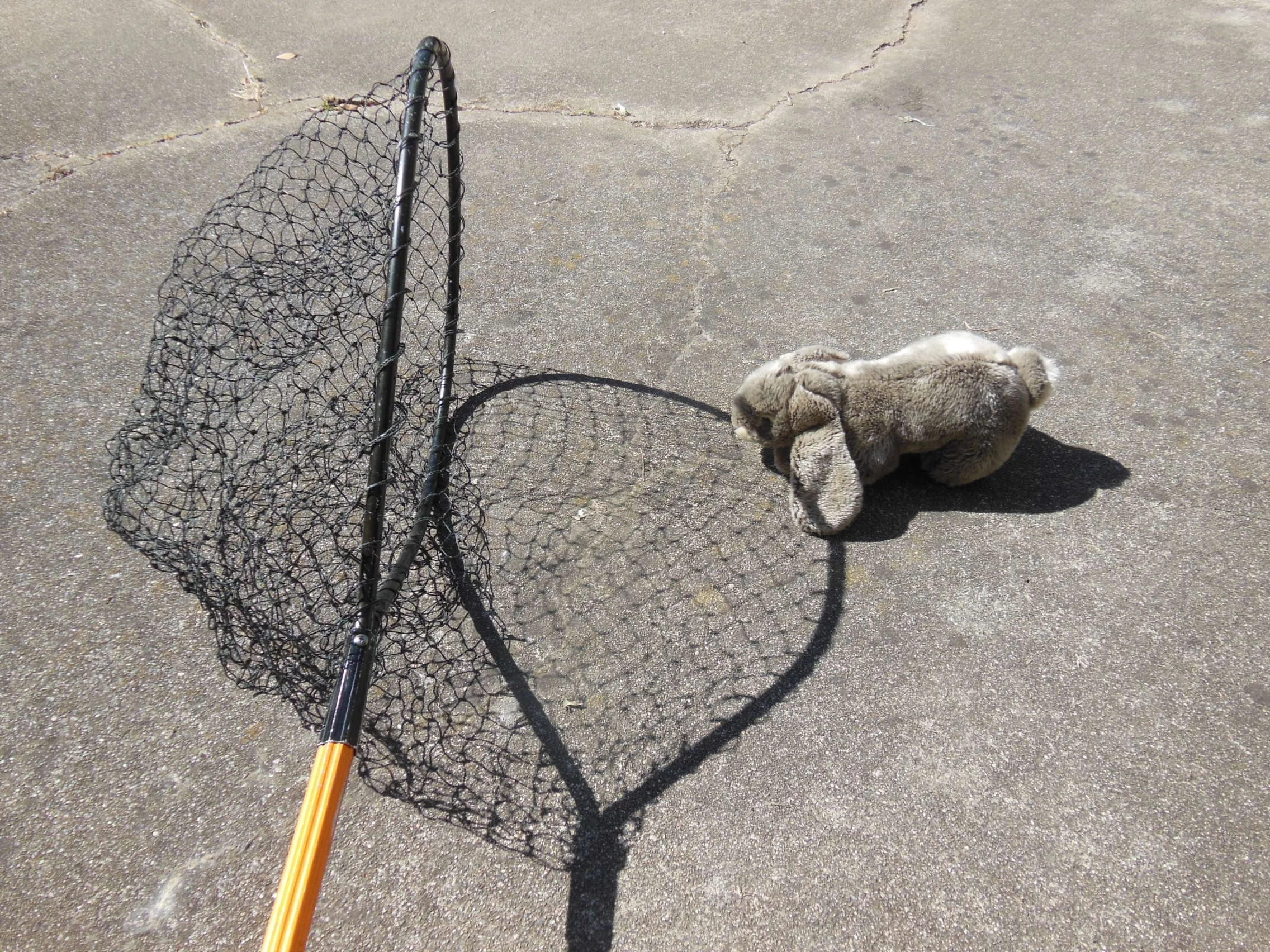
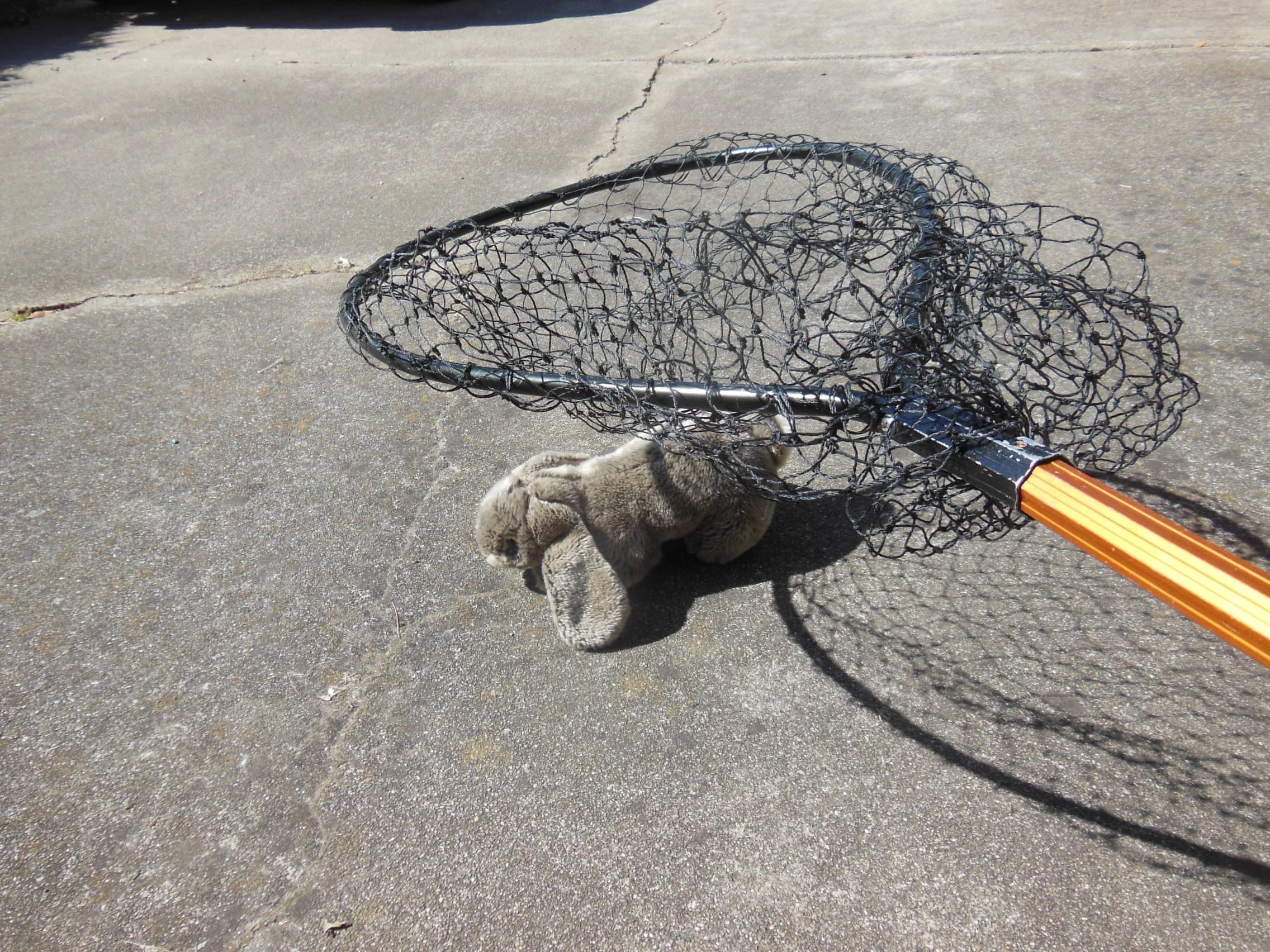
Using a Net to Catch a Bunny
☐ Use a net if the bunny is attempting to escape
(nets can often be found for about $5 at flea markets)☐ Position yourself to the side of the bunny, not directly behind the bunny.
☐ Hold the net slightly in front of the bunny, not over the bunny.
☐ Make sure one edge of the net is resting on the ground
This allows the bunny to hop into the net
If the net is lifted, the bunny may try to dart underneath
☐ If you end up behind the bunny:
Keep the net poised just ahead of the bunny
The rabbit may turn to side to allow you to move on side of the bunny.
Rabbits are faster then you. Try to move to side of the bunny.
Using a Net to Catch the bunny.
☐ Use small pieces of banana to encourage the bunny to stay in one spot
☐ Observe the bunny’s behavior before approaching
☐ Approach slowly on your knees, taking very small steps
☐ Take advantage of moments when the bunny is:
☐ Eating
☐ Grooming
(it may be less aware of you at these times)
☐ Do not walk upright toward the bunny, as this may cause it to flee
☐ There are times of course when you have to stand. Move slowly and quietly.
Lowering the Net
☐ Gently lower the net from above, positioning it over the bunny
☐ Bring the net straight down—slow and controlled, not fast or forceful
Net Safety Rules (Very Important)
☐ Never lift the bunny using the net
☐ Be aware that:
The bunny’s legs or paws may become tangled
Nets can cause injury if used improperly
☐ Once the bunny is netted:
Place your hands gently on the bunny to secure the bunny
Keep the bunny calm and still
Transferring the Bunny
☐ Wait for others to assist before moving the bunny
☐ Ideally, the most experienced rabbit handler should perform the transfer
☐ You should place x-pens around the bunny prior to transfer from the next
☐ If the bunny is tangled:
☐ Have one person hold the net steady
☐ Another person carefully frees the paws or legs
☐ Cut the net if necessary to avoid injury
☐ Transfer the bunny gently into the carrier on the count of 3.

If You Must Leave the Rescue Site
☐ Ensure the bunny has access to food
☐ Provide pellets
☐ Ensure the bunny has access to water
☐ Leave a filled water bottle
☐ Place the water bottle securely so it cannot tip over
☐ Leave the water bottle even if you are unsure it will be refilled
Others may help maintain it
☐ Leave a kind, clear note explaining:
The bunny’s situation
That food and water have been provided
That refilling the water bottle would be appreciated
Using Google Maps
Mark the location on Google Maps so you can find it again or share it with other rescuers.
If the rabbit is on a city street, look for nearby parks, yards, or green spaces.
Check common hiding spots such as bushes, shrubs, under cars, fences, or buildings.
Urban Rescue Safety Tips
Always watch for traffic and stay aware of cars, bikes, and pedestrians.
Do not chase the rabbit into the street. Move slowly and calmly.
Wear visible clothing if rescuing near roads.
Be mindful of dogs, cats, and other animals in the area.
If the area feels unsafe, wait for help or choose a safer approach.