
See Rabbit Body Heat Through a Thermal Camera
Have you ever wondered where a rabbit’s body heat goes? Explore how rabbits release heat through their ears, paws, and stomach—and see what a handheld thermal camera reveals that our eyes cannot. We’ll share real thermal-camera videos showing rabbits and other animals in a whole new way.
How to Cool Your Indoor Rabbit During a Heat Wave

Rabbits can be very sensitive to high temperatures, and a heat wave can become dangerous quickly. Keeping your indoor rabbit cool, comfortable, and well hydrated is especially important when temperatures rise.
Keep Your Rabbit in the Coolest Room
Move your rabbit to the coolest part of your home, away from direct sunlight. Close curtains or blinds during the hottest part of the day to reduce heat from the sun.
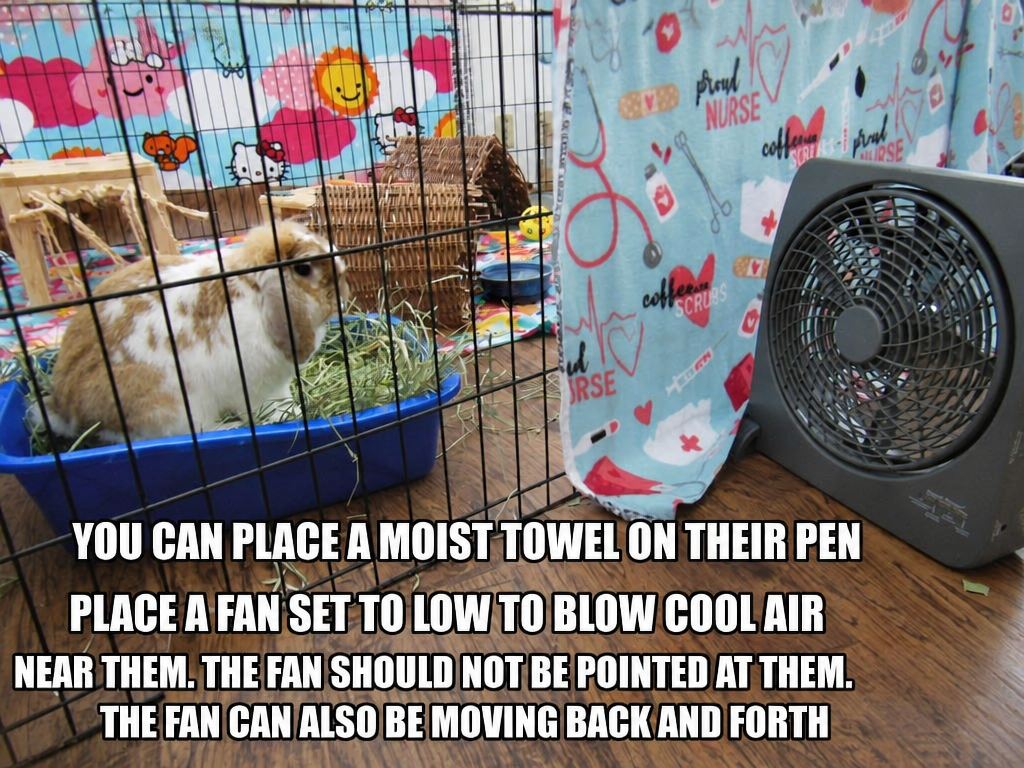
If you have air conditioning, keep the room at a comfortable temperature. A fan can help circulate air, but do not point a strong stream of air directly at your rabbit.
Provide Plenty of Fresh Water
Make sure your rabbit always has access to fresh, cool drinking water. Check the water bowl frequently during a heat wave. You should add extra water bowls.
Give Your Rabbit a Cool Place to Rest
A ceramic tile, marble tile, or other cool, solid surface can provide a comfortable place for your rabbit to stretch out. You can also place a frozen water bottle wrapped in a towel near your rabbit so they can choose whether to lie beside it.
Never force your rabbit to lie against something cold. Give your rabbit the ability to move away from the cooling source.
Pay Special Attention to the Ears
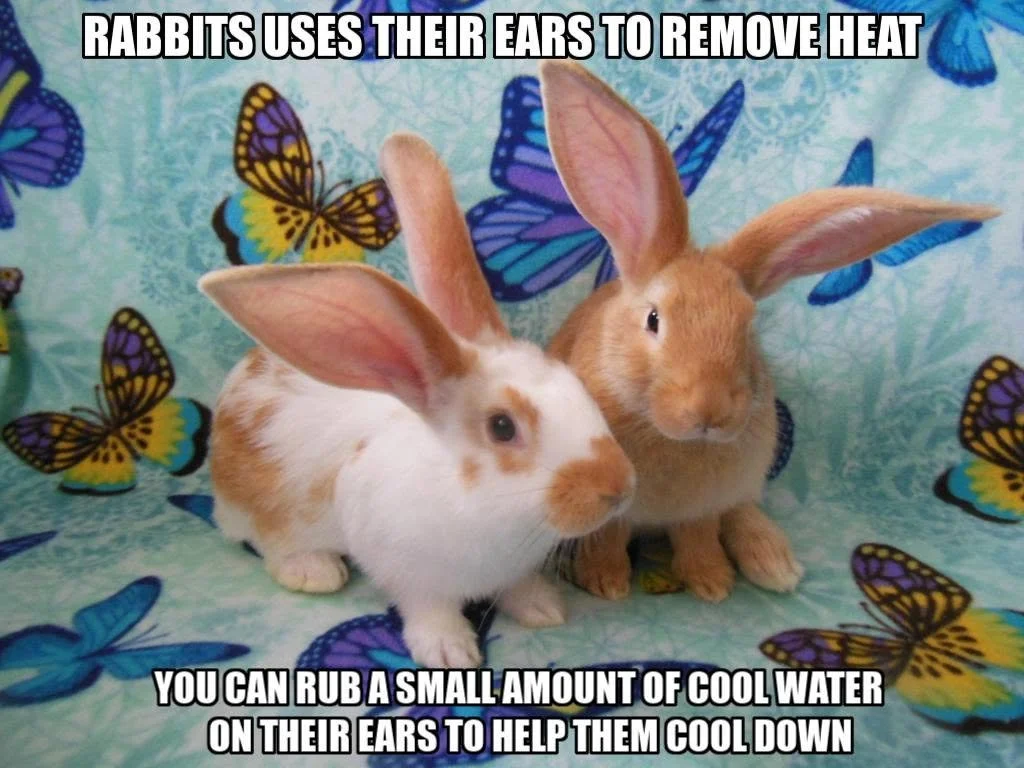
A rabbit's ears contain a large network of blood vessels and play an important role in releasing body heat. During hot weather, you may notice your rabbit holding its ears differently as it tries to regulate its temperature.
Avoid putting ice directly on your rabbit's ears or body. Extremely cold temperatures can cause discomfort and may cause blood vessels to constrict.
Watch Your Rabbit Closely
During a heat wave, pay close attention to your rabbit's normal behavior. Continue your regular Nose2Tail Home Health Check and watch for changes in eating, drinking, activity, breathing, and poop production.
Signs of possible heat stress can include rapid or difficult breathing, weakness, lethargy, drooling, confusion, or collapse.
Heat Stroke Is an Emergency
If you believe your rabbit is suffering from heat stroke, contact your Exotic Rabbit Veterinarian or an emergency veterinary hospital immediately. Do not wait to see if your rabbit improves on its own.
Begin gentle cooling while arranging veterinary care. Move your rabbit to a cooler area and use cool—not ice-cold—methods to gradually lower body temperature. Avoid immersing your rabbit in cold water.
A rabbit that is weak, having difficulty breathing, unresponsive, or collapsing needs immediate veterinary attention.
Be Prepared Before the Heat Wave
The best time to prepare for extreme heat is before it arrives. Keep fresh water, ceramic cooling tiles, frozen water bottles, towels, and a carrier ready. Know where you will take your rabbit if your home loses air conditioning or your rabbit needs emergency veterinary care.
Your rabbit may not be able to tell you that they are too hot. Knowing your rabbit's normal behavior and checking on them regularly can help you recognize a problem early.