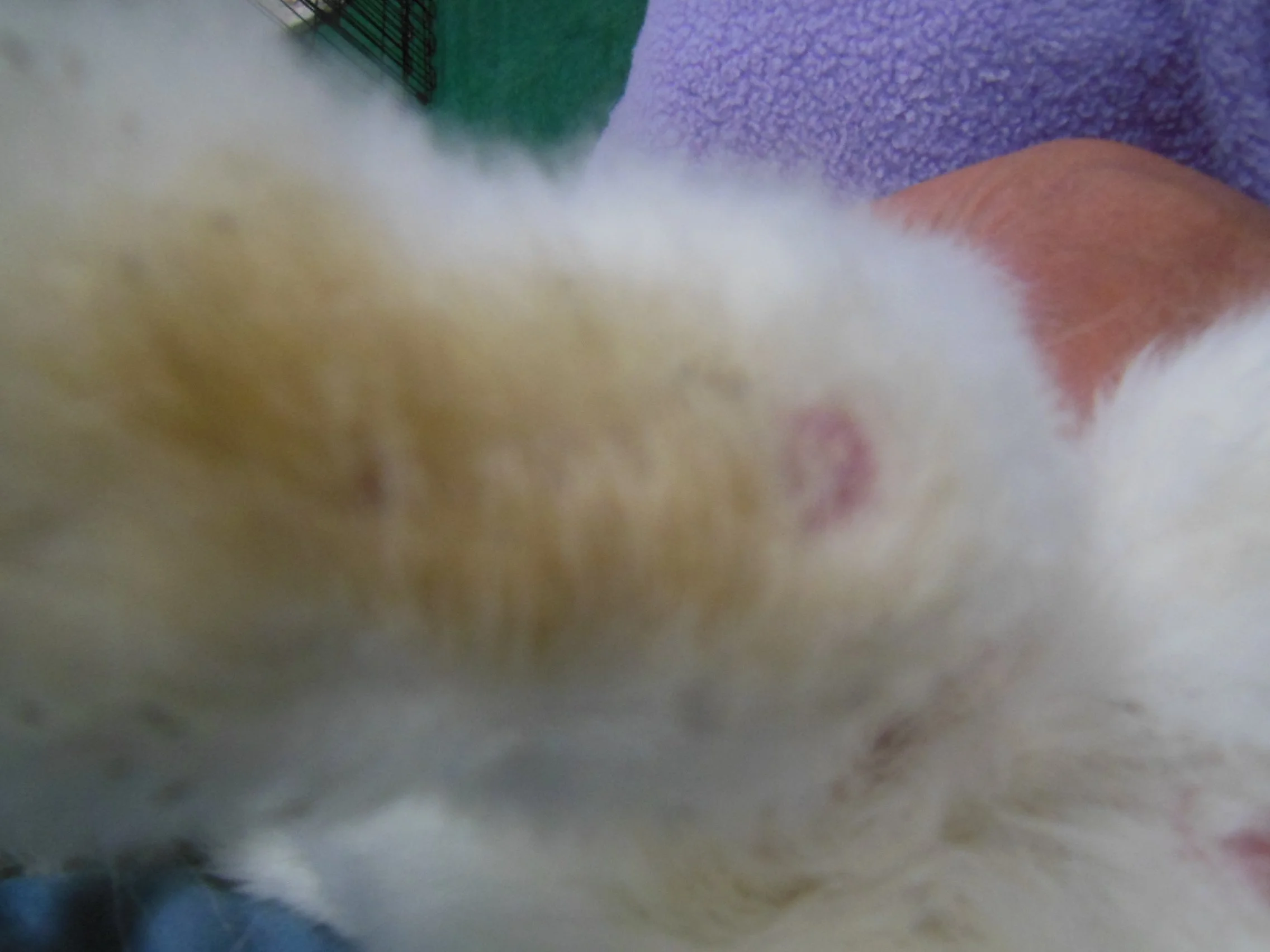
Sore Hocks in Rabbits (Ulcerative Pododermatitis). This article by Dr. Hillary Stern, DVM, discusses the medical aspects and possible treatments for sore hocks. We will also review housing recommendations for rabbits with sore hocks.
This article was written by Dr. Hillary Stern, DVM, for the Bunny Fest event that we helped organize.
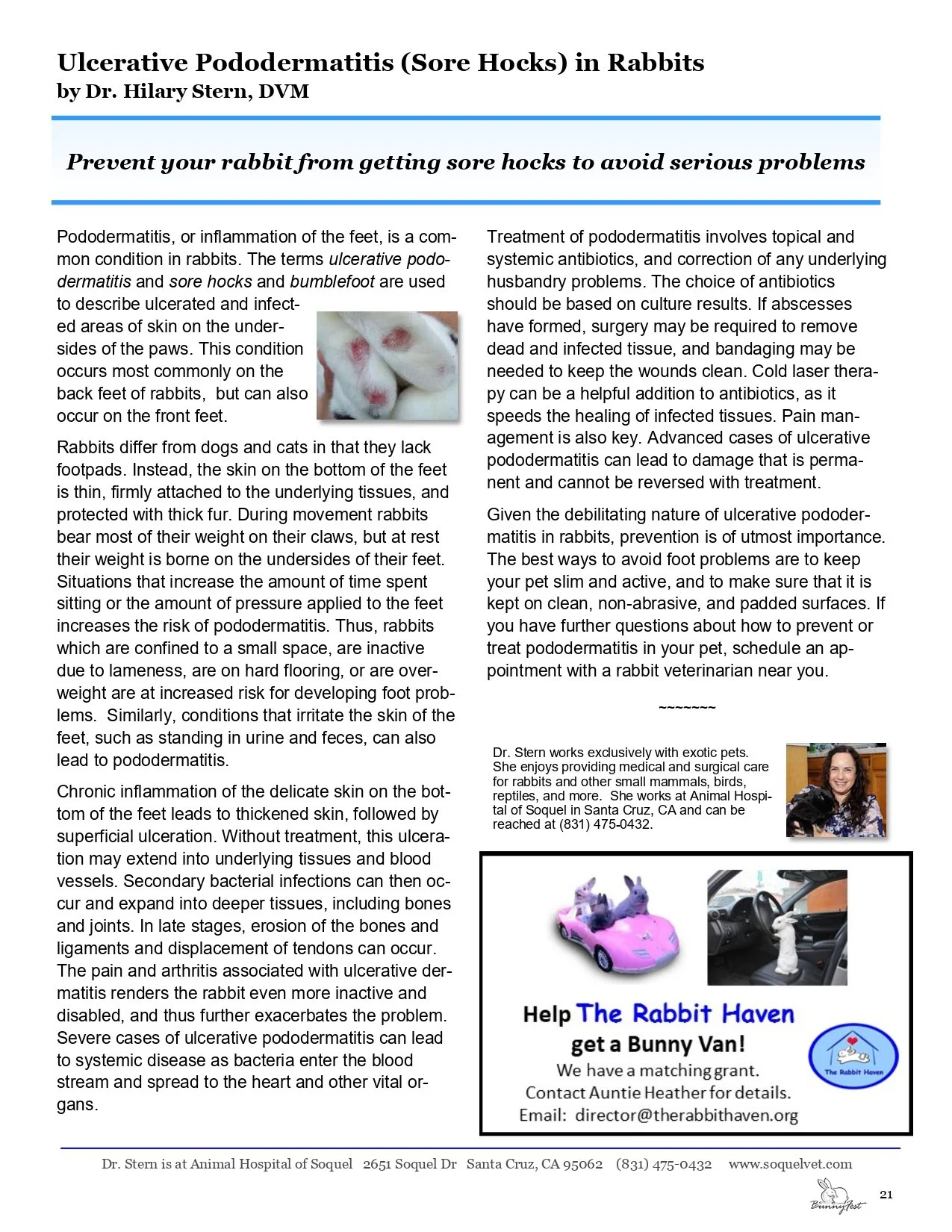
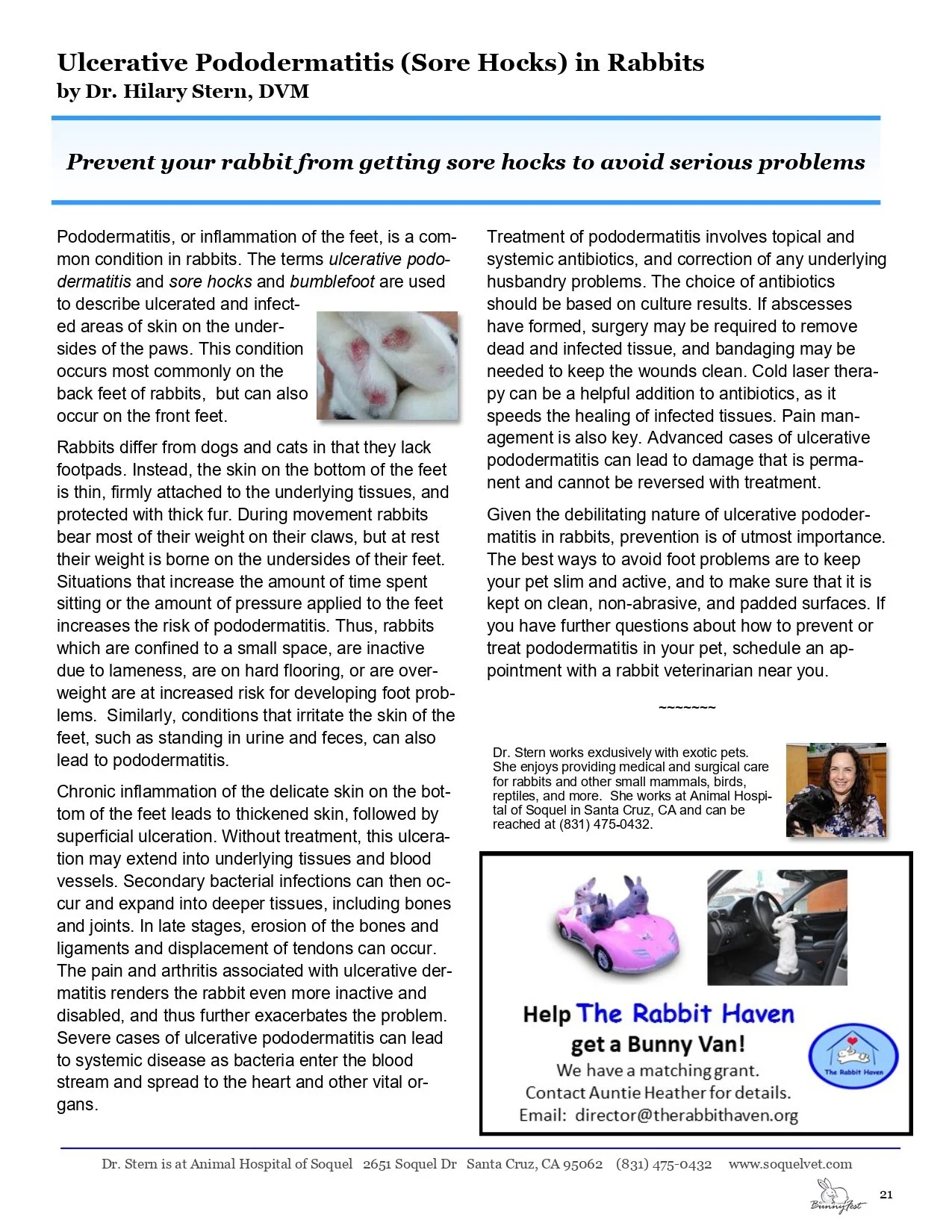
same article in a different format for smart phones.
What Are Sore Hocks?
Sore hocks (ulcerative pododermatitis) are painful sores that develop on the bottoms of a rabbit’s back feet, specifically in the heel area known as the hock. If not addressed early, sore hocks can worsen and lead to infection, discomfort, and mobility issues.
Unlike dogs and cats, rabbits do not have protective paw pads on their back feet. Instead, the fur on their feet provides cushioning and protection. When this fur becomes worn away, the skin underneath can become irritated, inflamed, and eventually develop sores.
Common Causes of sore socks
Several factors can contribute to the development of sore hocks:
Hard or rough flooring surfaces
Excess body weight
Thin foot fur, especially in Rex rabbits and similar breeds
Medical conditions that cause a rabbit to favor one leg
Overgrown nails that change the way a rabbit distributes their weight
Reduced mobility due to age, arthritis, or other health conditions
How to Check Your Rabbit's Feet
We recommend checking your rabbit's feet regularly, especially during nail trims and routine grooming.
To examine your rabbit's hocks:
Gently cradle your rabbit and inspect the bottoms of the back feet.
Use a mirror if needed to get a better view.
Ask a second person to assist if your rabbit is uncomfortable being handled.
Healthy hocks should be completely covered with fur.
Contact your exotic animal veterinarian if you notice:
Redness
Hair loss
Exposed skin
Scabs
Swelling
Open wounds
How to Cradle Your Bunny
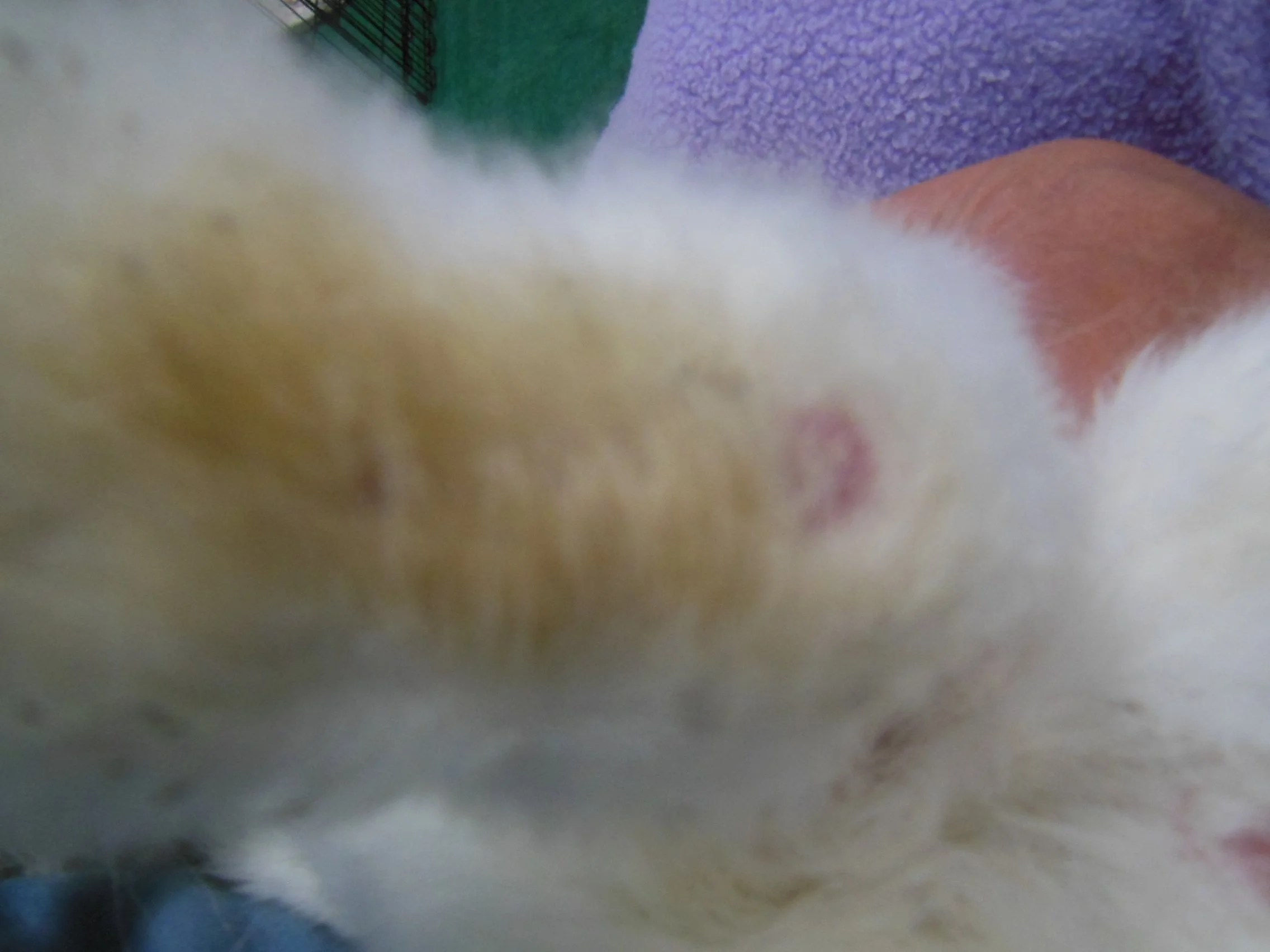
You can see the sore hock when the bunny is cradled.
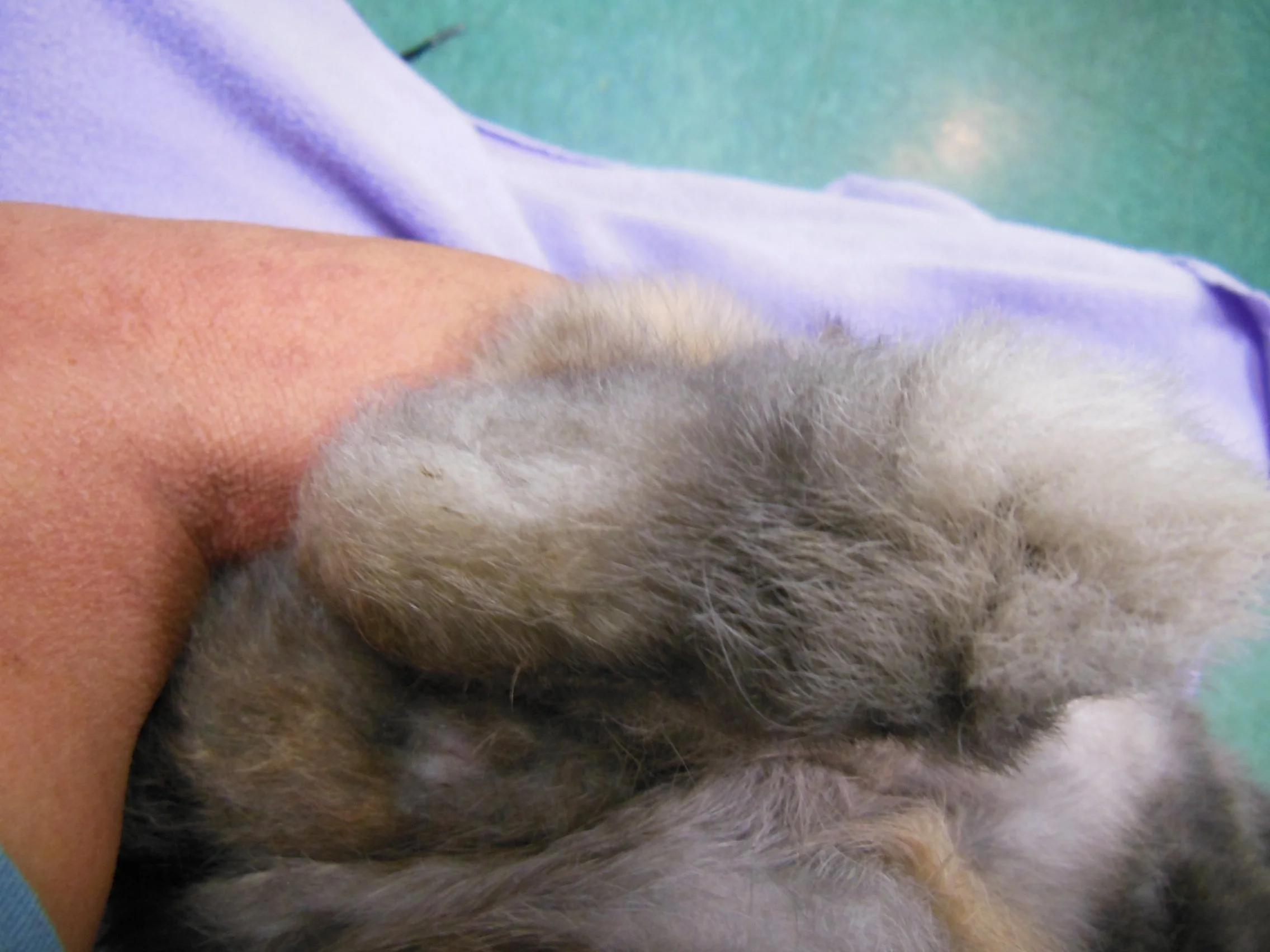
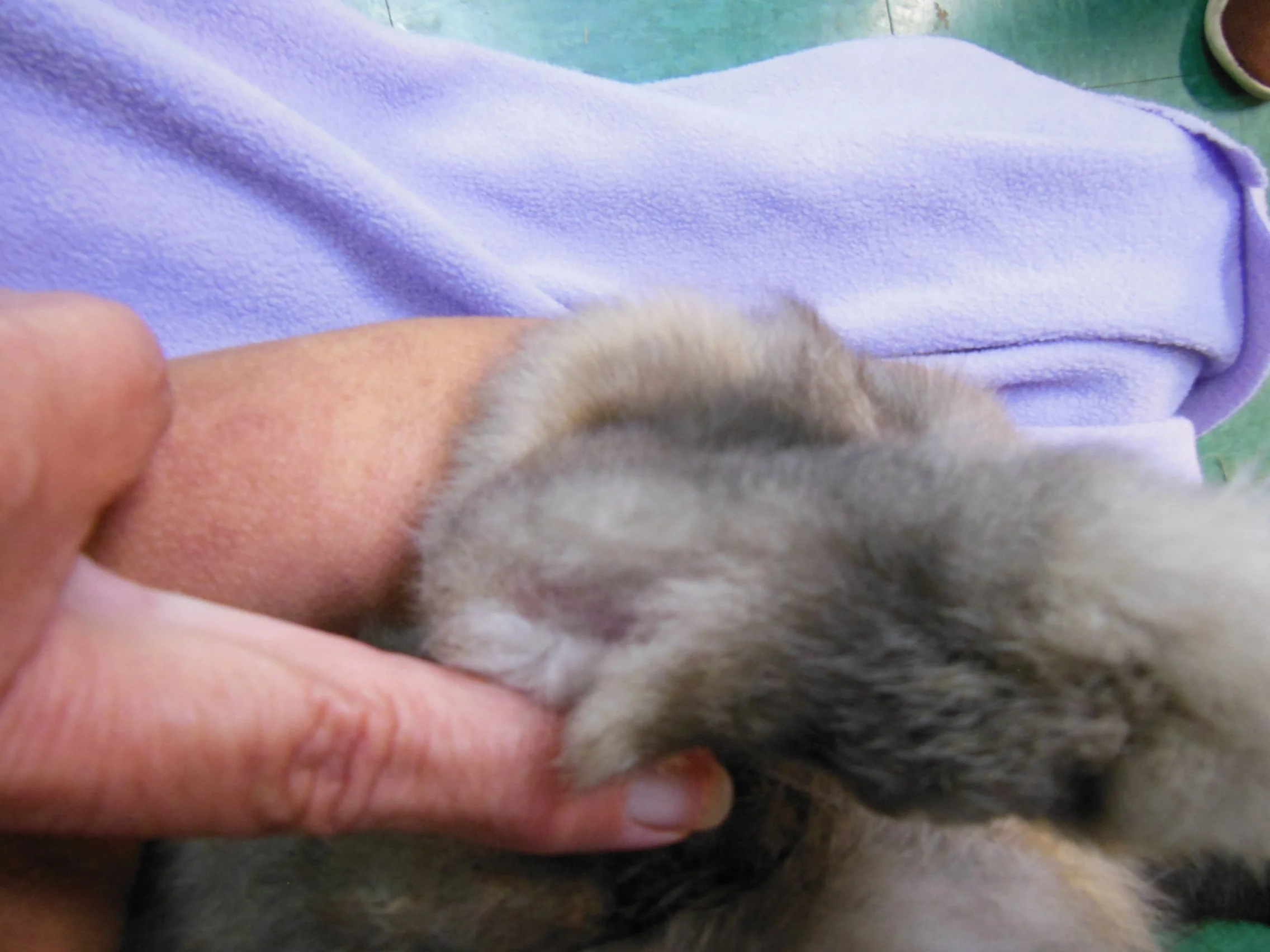
You may need to move some fur to see the sore hocks on a rabbit.
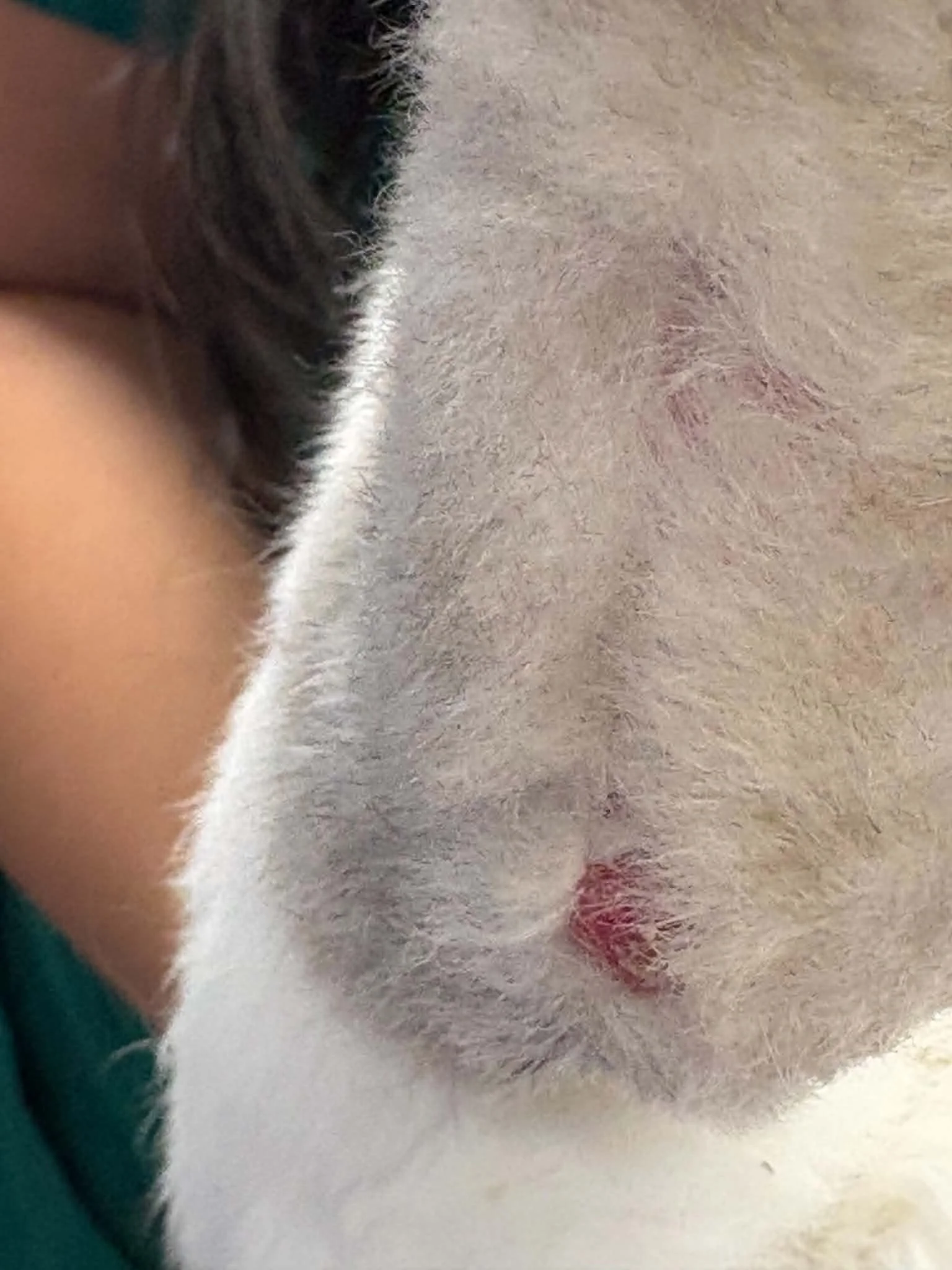
One person can hold the bunny while another checks its feet. You can also hold the bunny near a bathroom mirror for a better view.
Early treatment is much easier than treating advanced sore hocks.
Flooring Recommendations
Providing soft flooring is one of the best ways to prevent sore hocks.
Recommended flooring options include:
Fleece blankets
Soft fabric coverings
Sherpa fleece for extra cushioning
Soft floor mats as a base with fleece or soft fabric on top.
Palace Pet Bedding is especially helpful for senior or disabled rabbits. However, it is quite expensive. It does an excellent job of keeping moisture away from the surface, although it may not be as plush as Sherpa fleece.
Avoid allowing your rabbit to spend extended periods on:
Hardwood floors
Tile floors
Certain types of carpet can also be a concern.
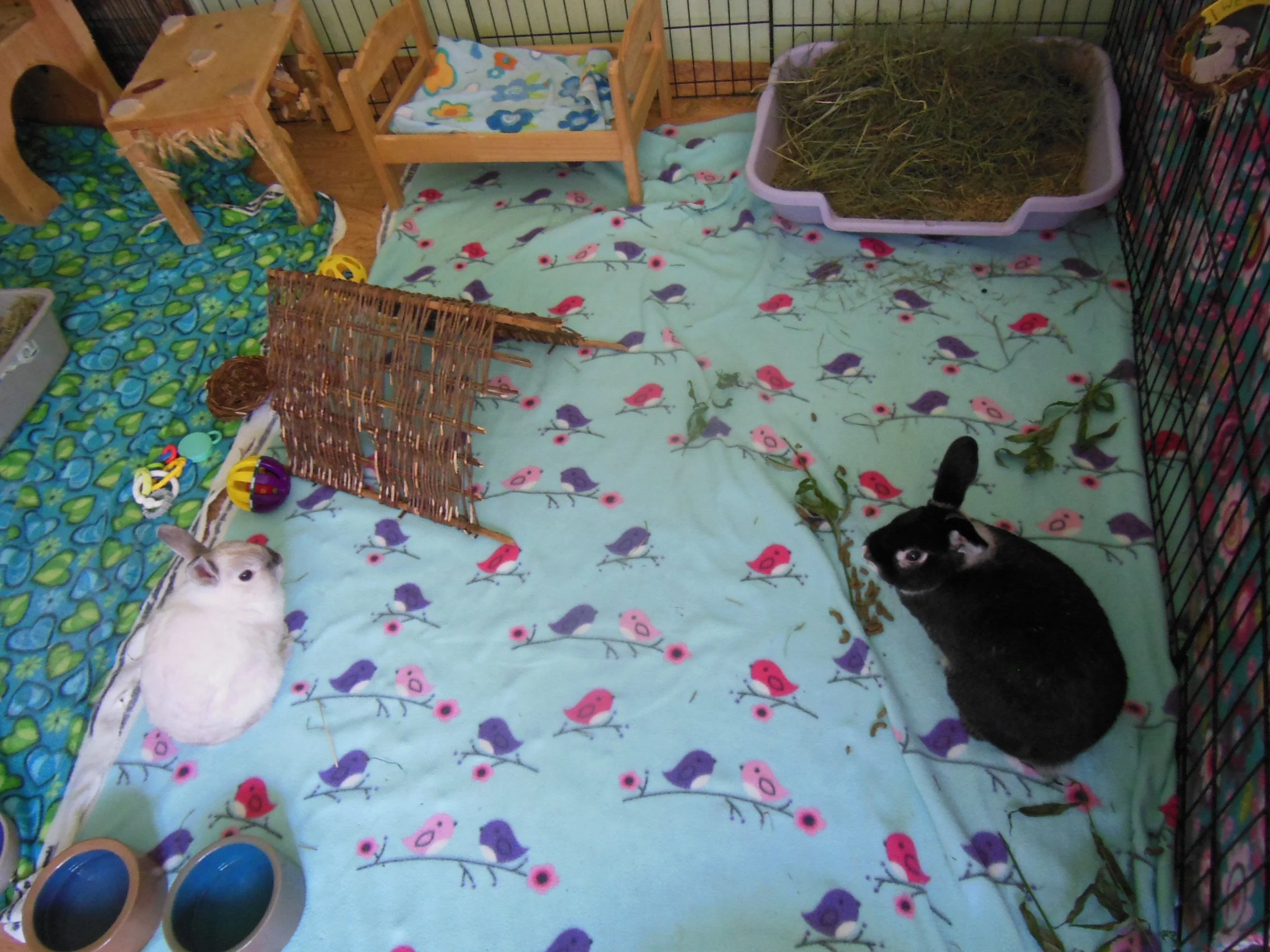
Sugarplum and Prince Charming have fleece fabric as their floor covering.
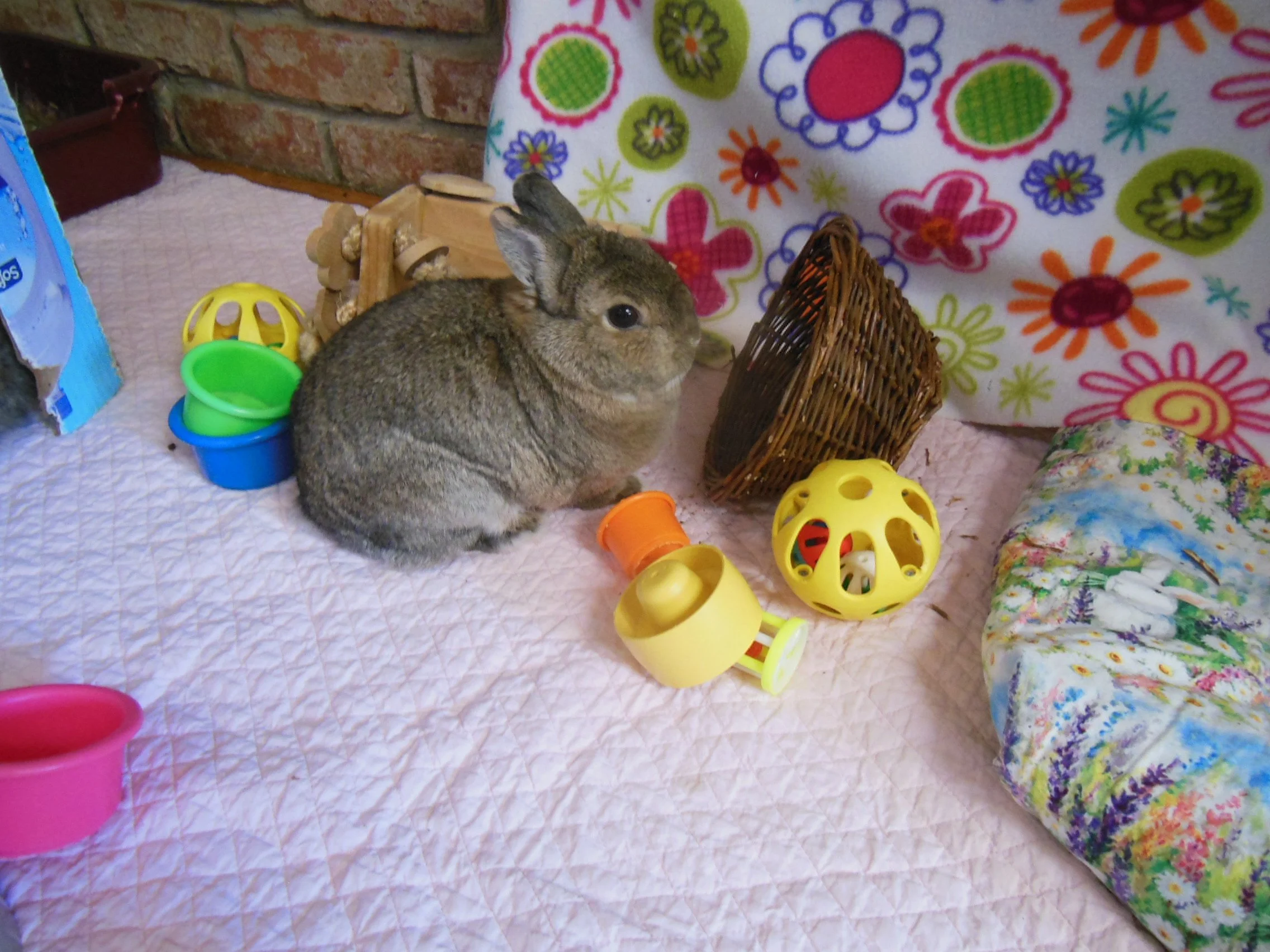
Zora and Zita have soft fabric for their floor covering.
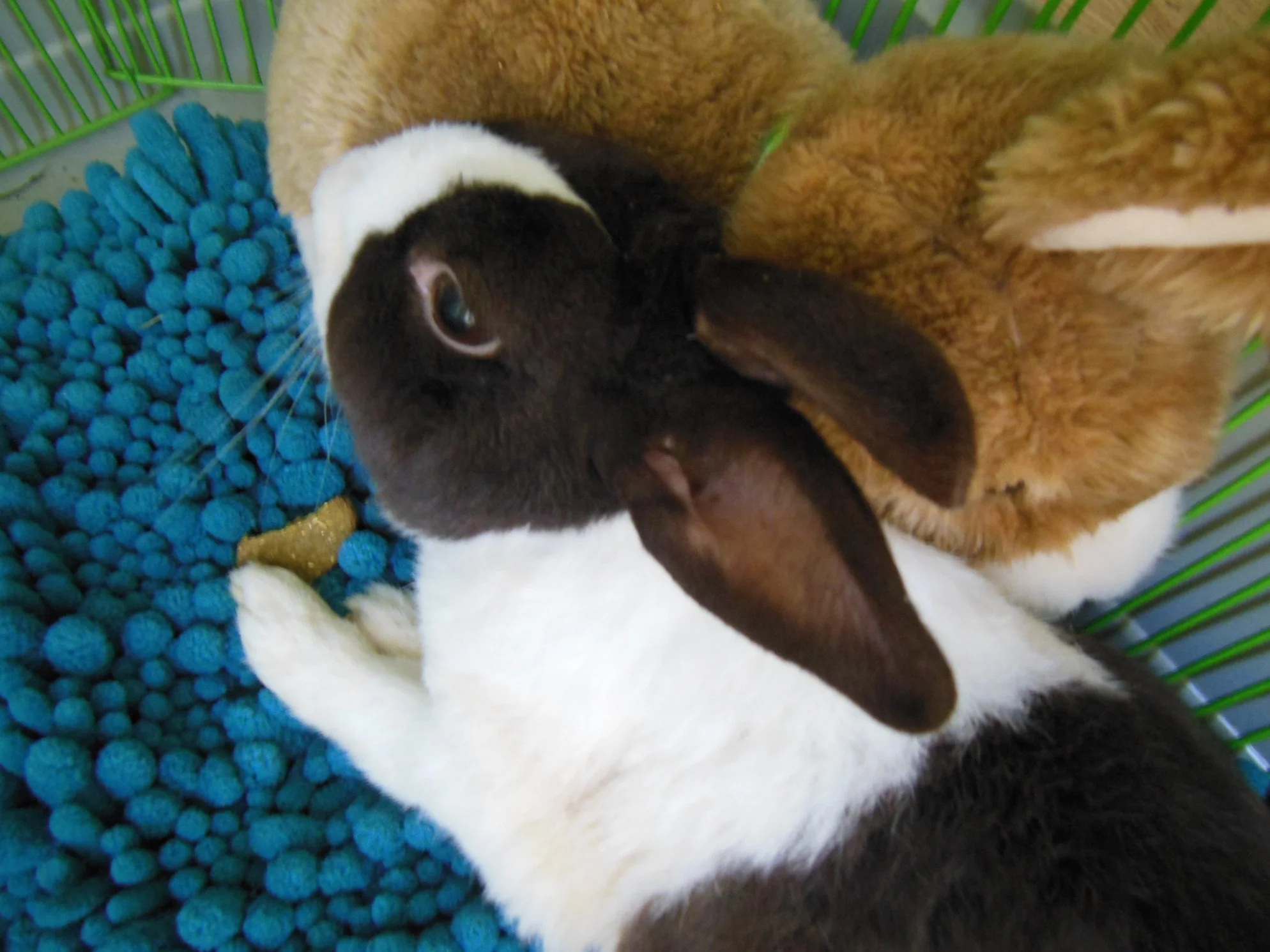
Yuma, our elderly bunny with sore hocks, used Palace Pet Bedding as her floor covering. Please note that this was many years ago, and the company has since changed its fabric.
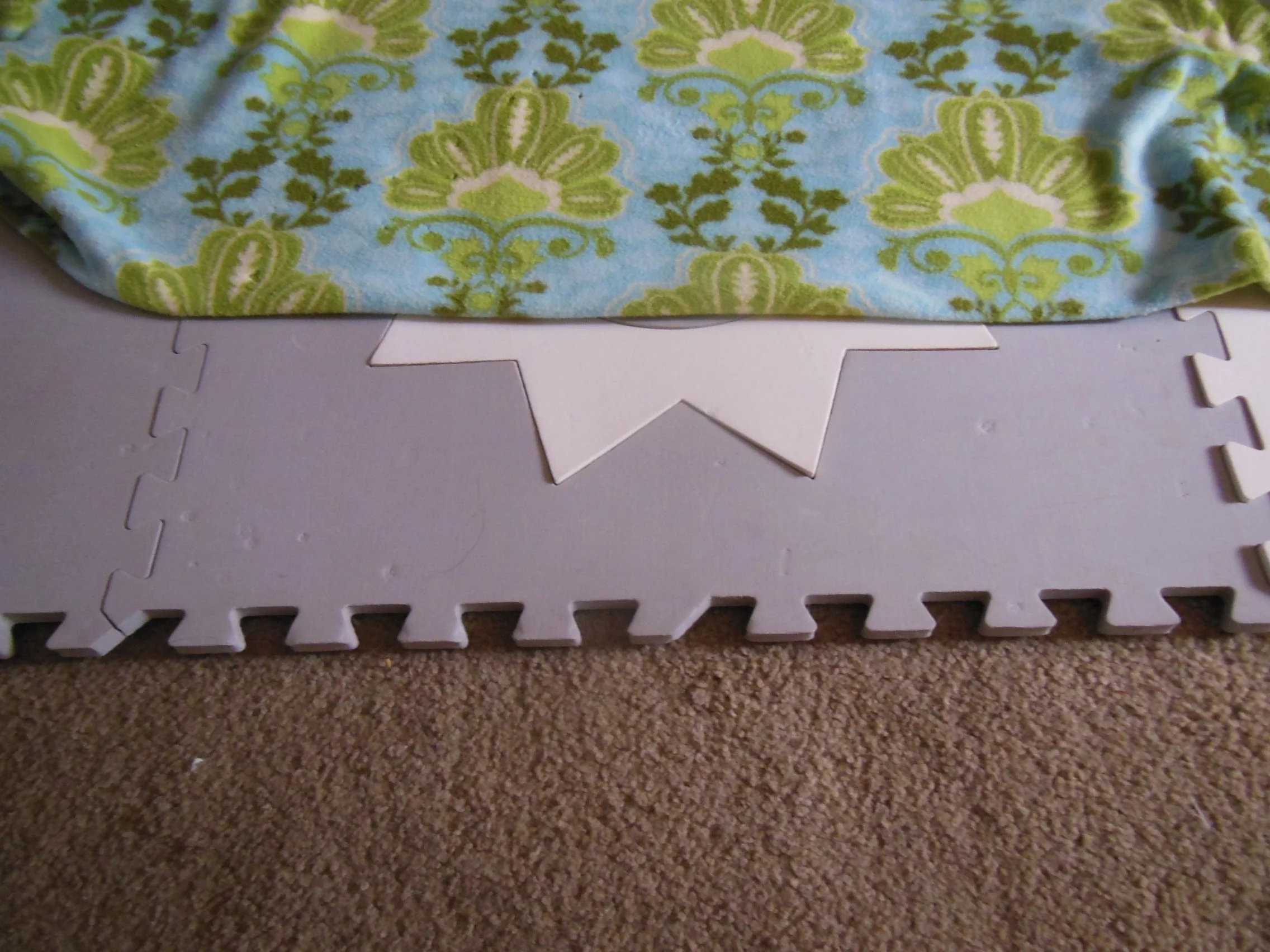
You can place a soft mat on top of carpet or similar and the fleece on top of the mat.
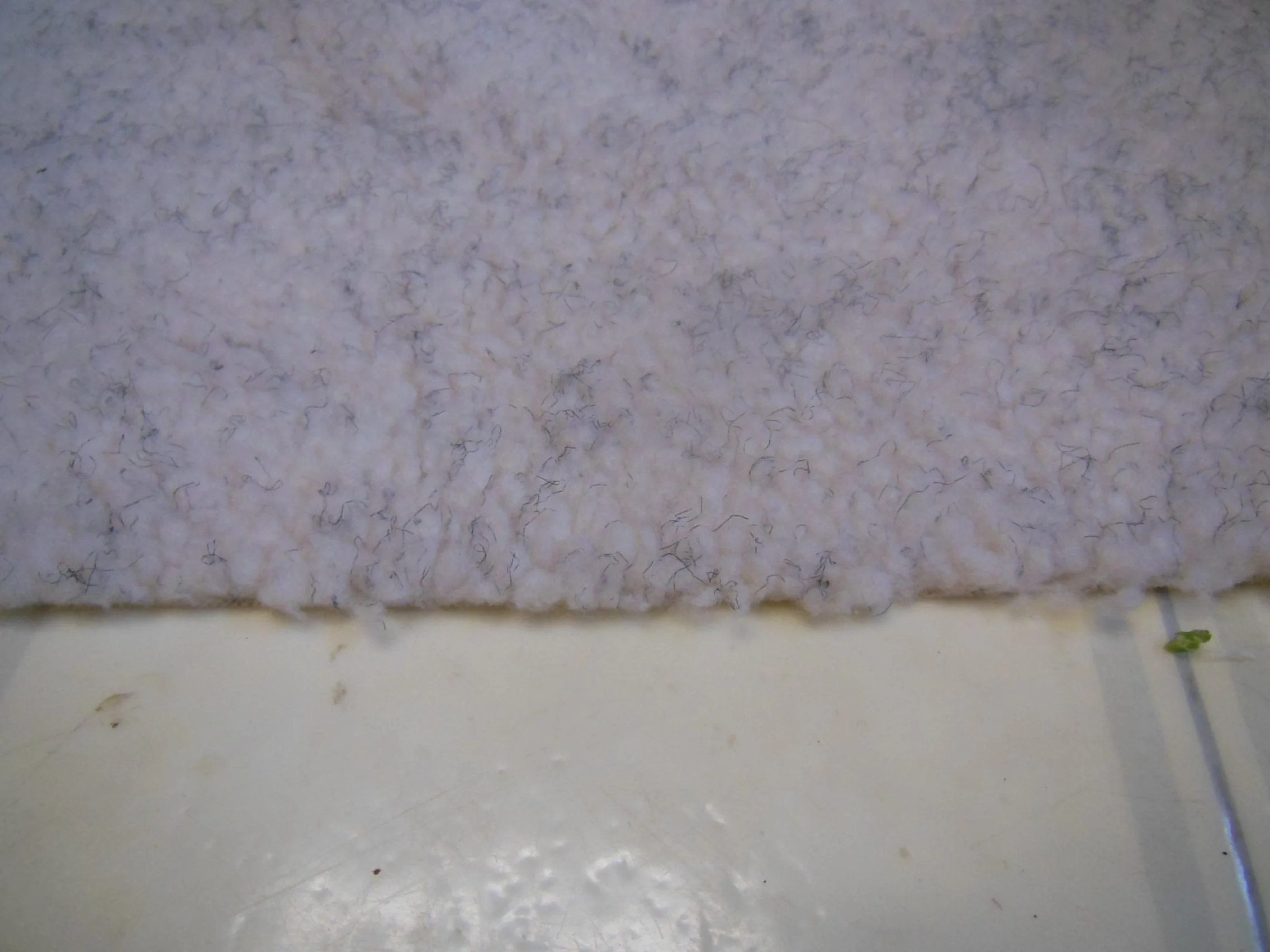
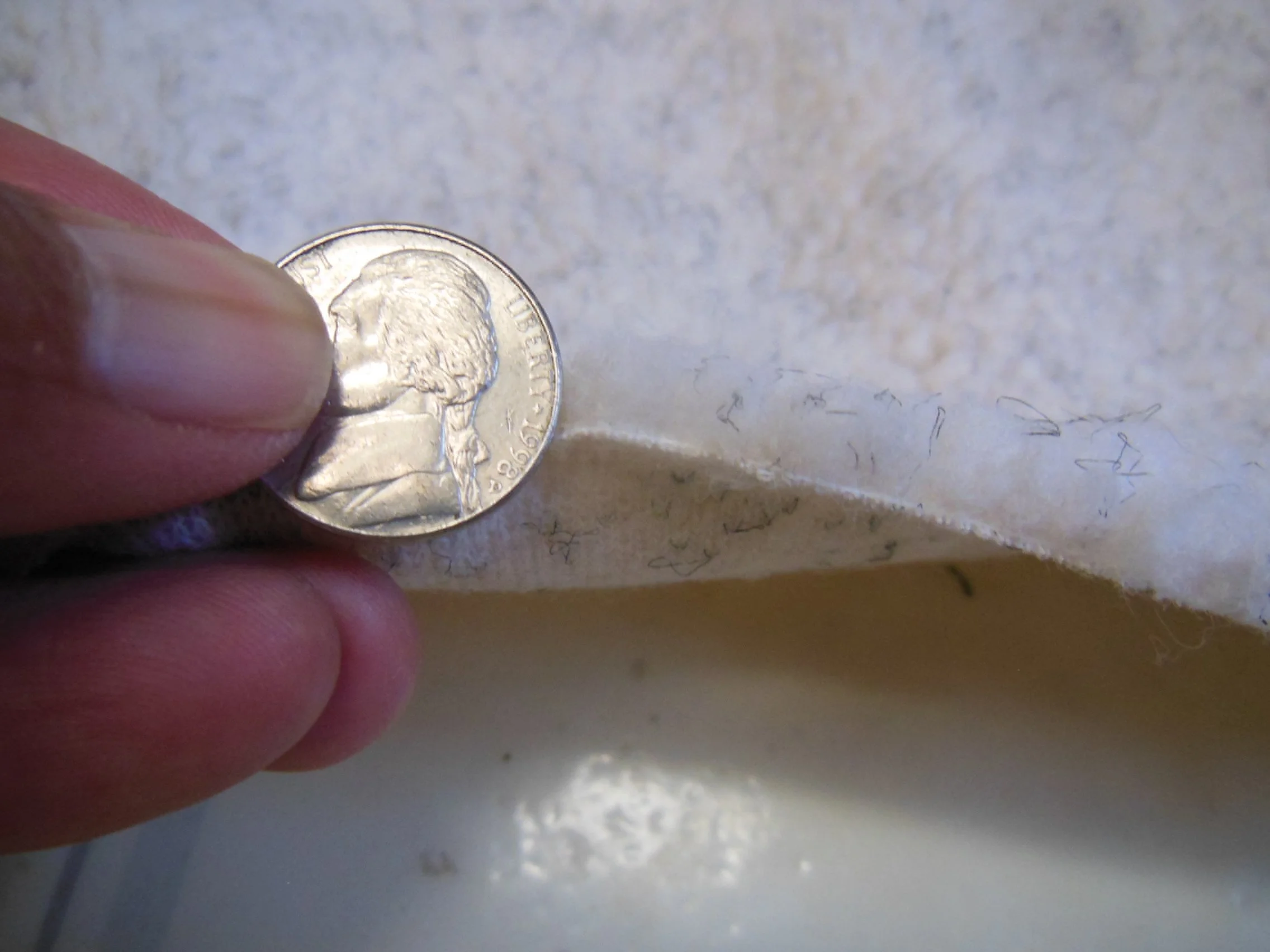
Sherpa fleece provides more cushioning than most standard fleece and other fabrics.
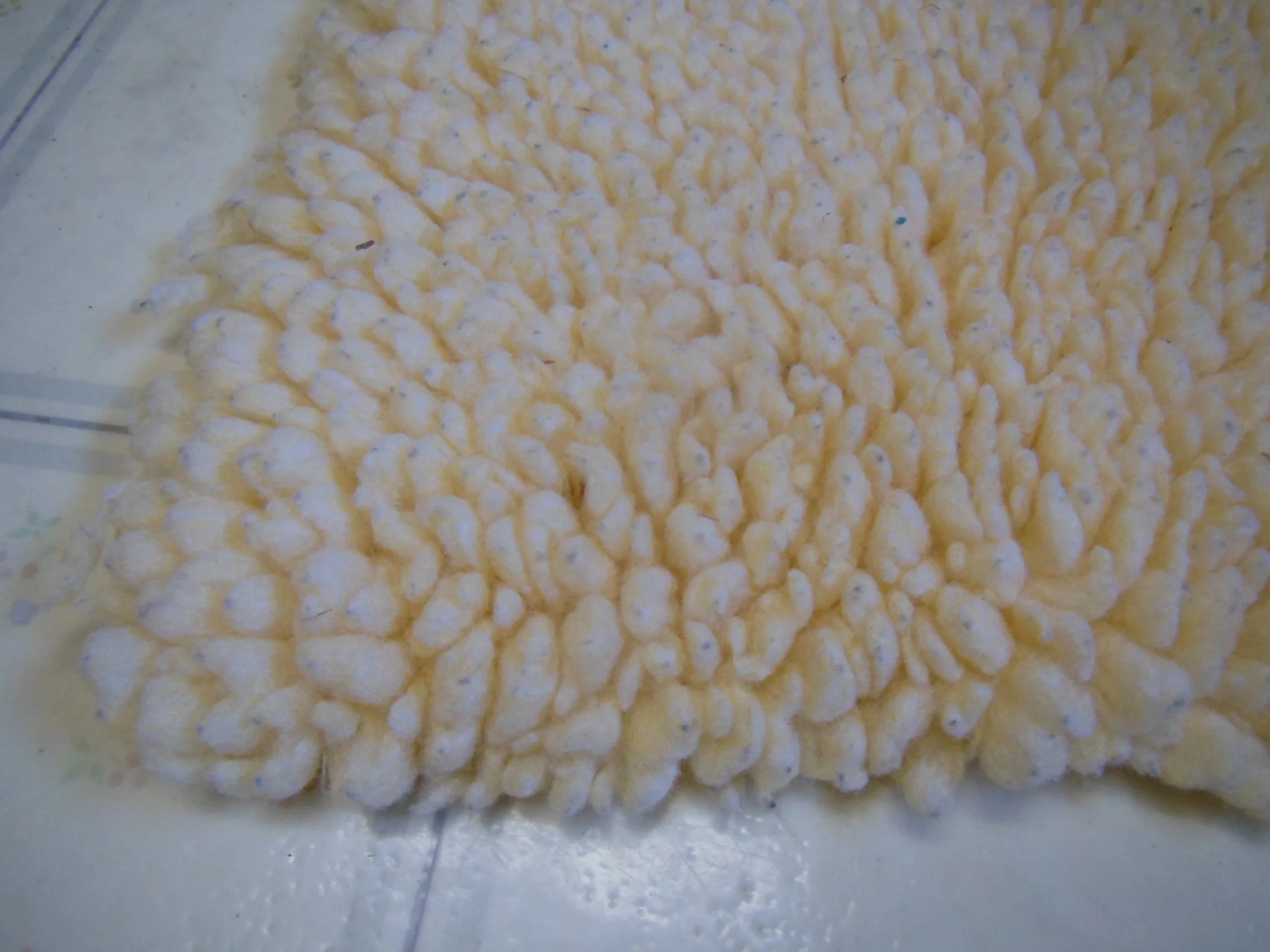
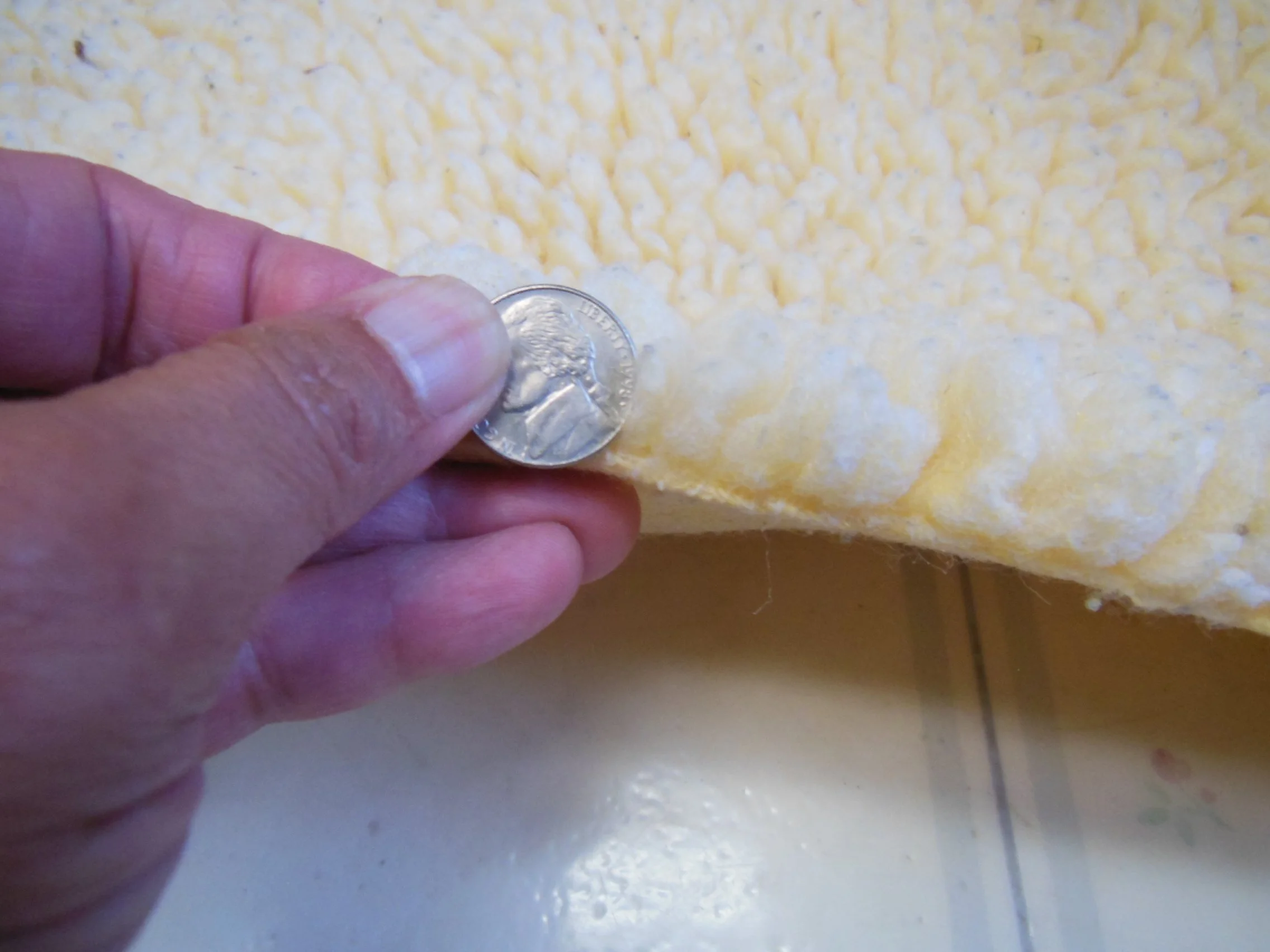
We used this fabric for Yuma several years ago. You should still be able to find similar products online.
Litter Box Bedding
The type of litter used in your rabbit's litter box can also affect foot health.
We recommend:
Natural Carefresh bedding (brown, dye-free)
White Carefresh bedding
Avoid:
Colored bedding products
Printed newspaper
Materials containing inks or dyes
If a sore hock is present, it may be an open wound. Keeping the area clean and free from unnecessary irritants is important.
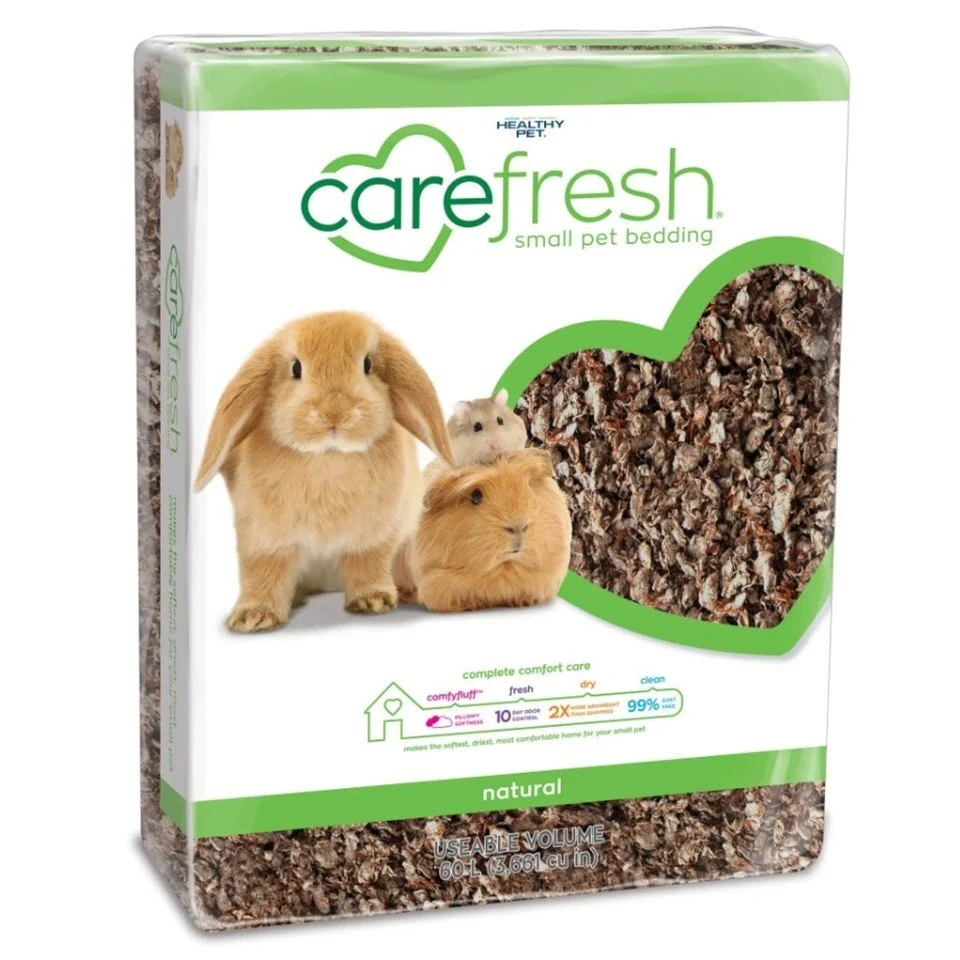
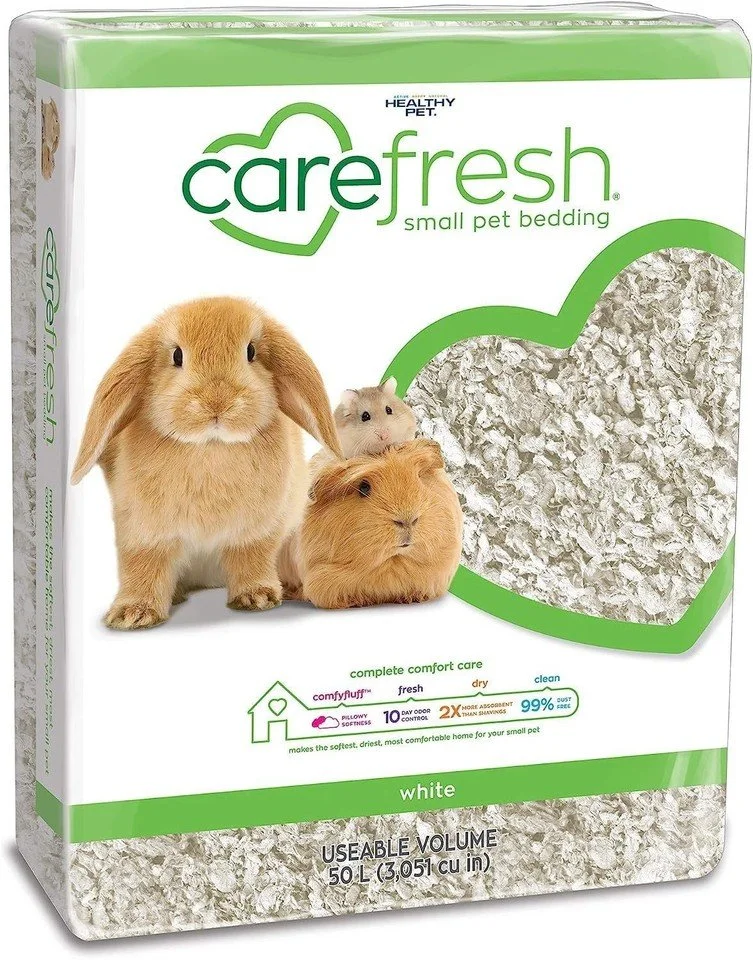
For rabbits with more advanced sore hocks, your exotic rabbit veterinarian may recommend protective socks, wraps, or other coverings.
Every rabbit is different:
Some rabbits tolerate protective coverings well.
Others may try to remove or chew them.
In certain cases, veterinarians may use specialized techniques to provide additional protection to the affected area. Always consult your veterinarian before attempting any treatment at home.
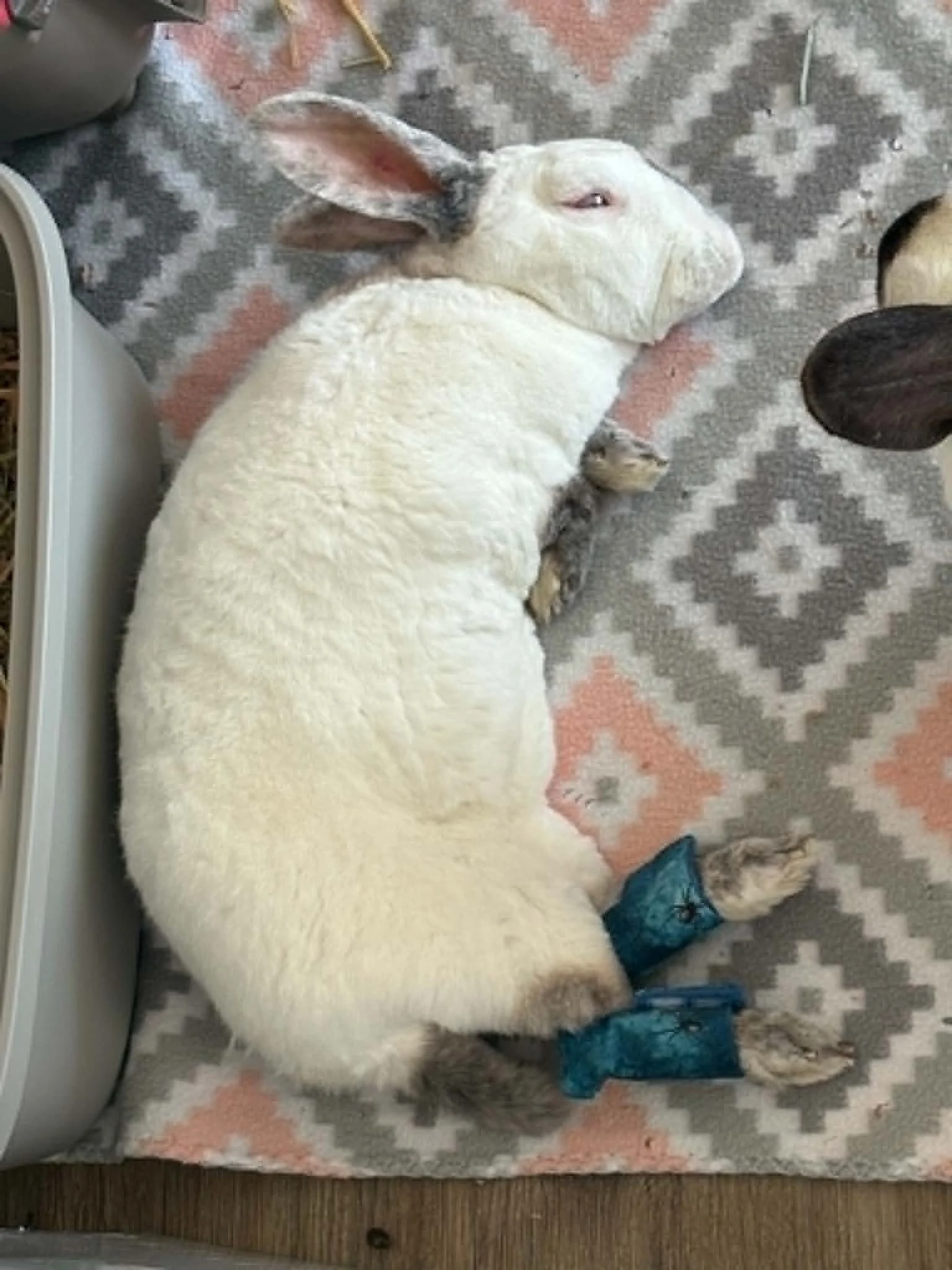
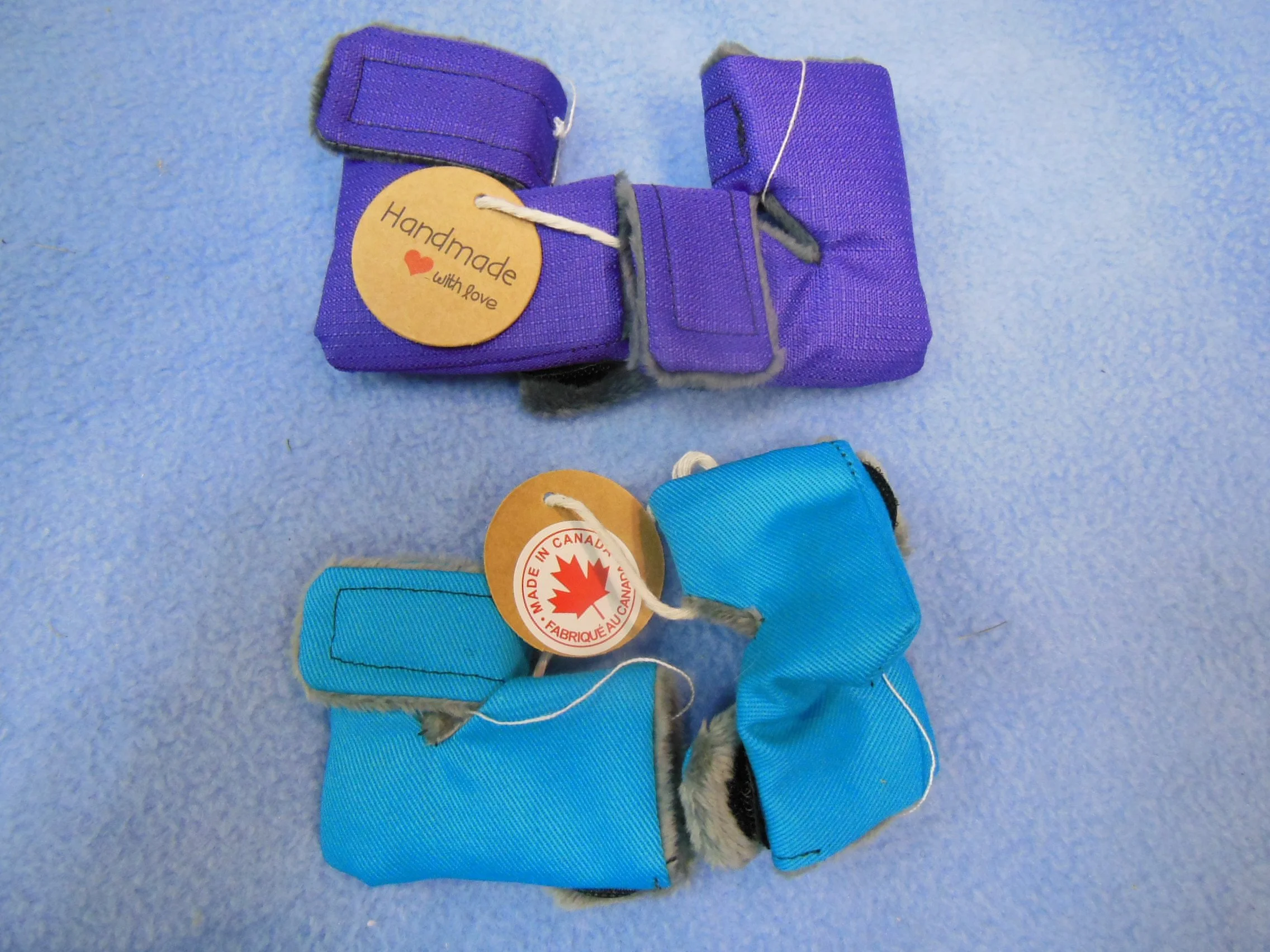
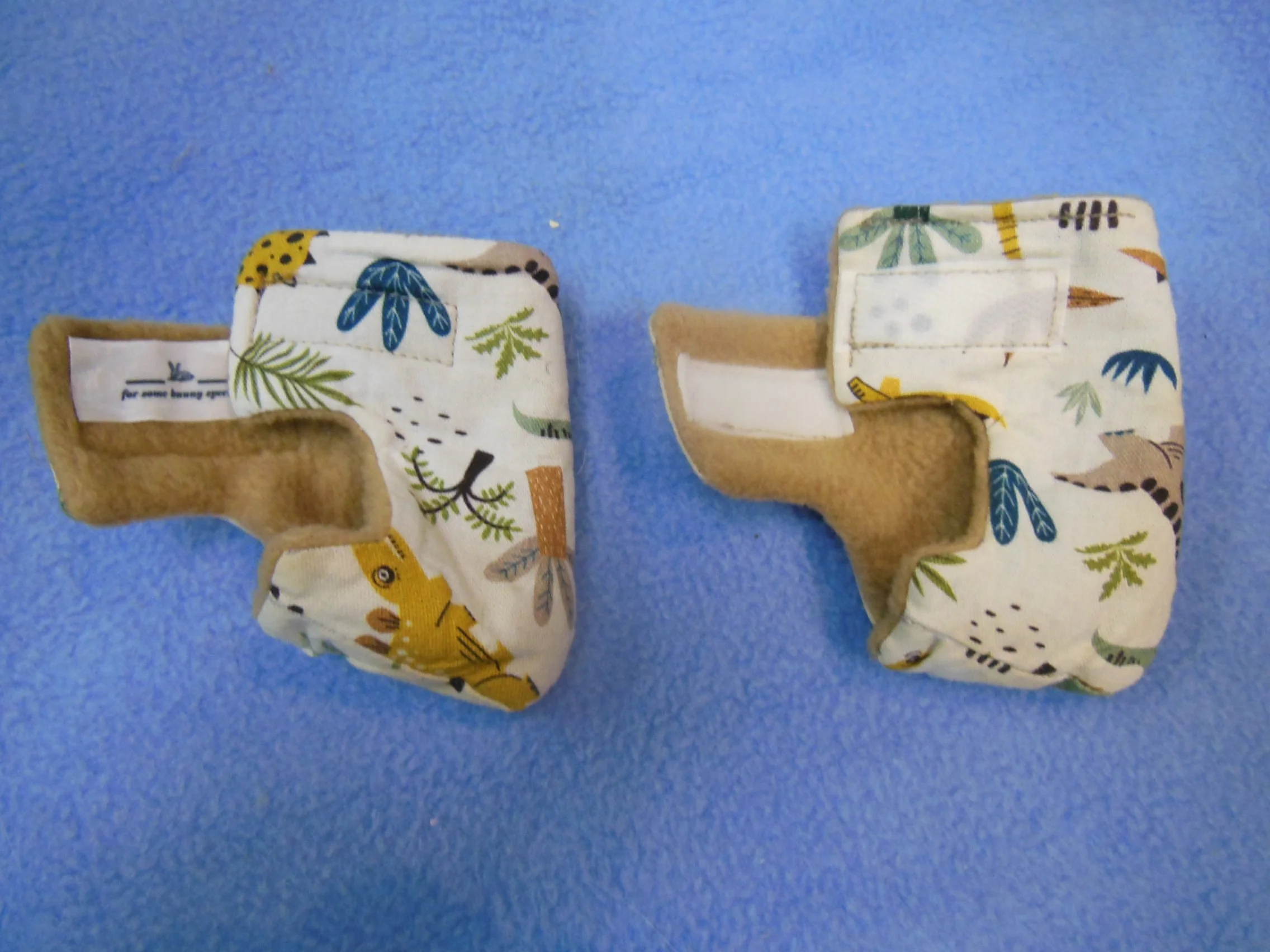
Photos of sore hocks provided by local 501(c)(3) rabbit rescue groups that we work with.
Disclaimer: The following link is provided for reference only because this is a custom product. We have not personally used the product, nor do we receive any compensation from the company.
When to See a Veterinarian
Schedule an appointment with an exotic animal veterinarian if you notice:
Hair loss on the hocks
Red or irritated skin
Open sores
Limping
Signs of pain or reluctance to move
Worsening foot condition despite environmental changes
Prompt veterinary care can help prevent infection and improve your rabbit's comfort and quality of life.
Prevention Tips
✓ Keep your rabbit at a healthy weight.
✓ Trim nails regularly.
✓ Provide soft, supportive flooring.
✓ Use appropriate litter box bedding.
✓ Encourage exercise and mobility.
✓ Check your rabbit's feet routinely.
With regular foot checks and proper housing, most cases of sore hocks can be prevented or identified early before they become serious.