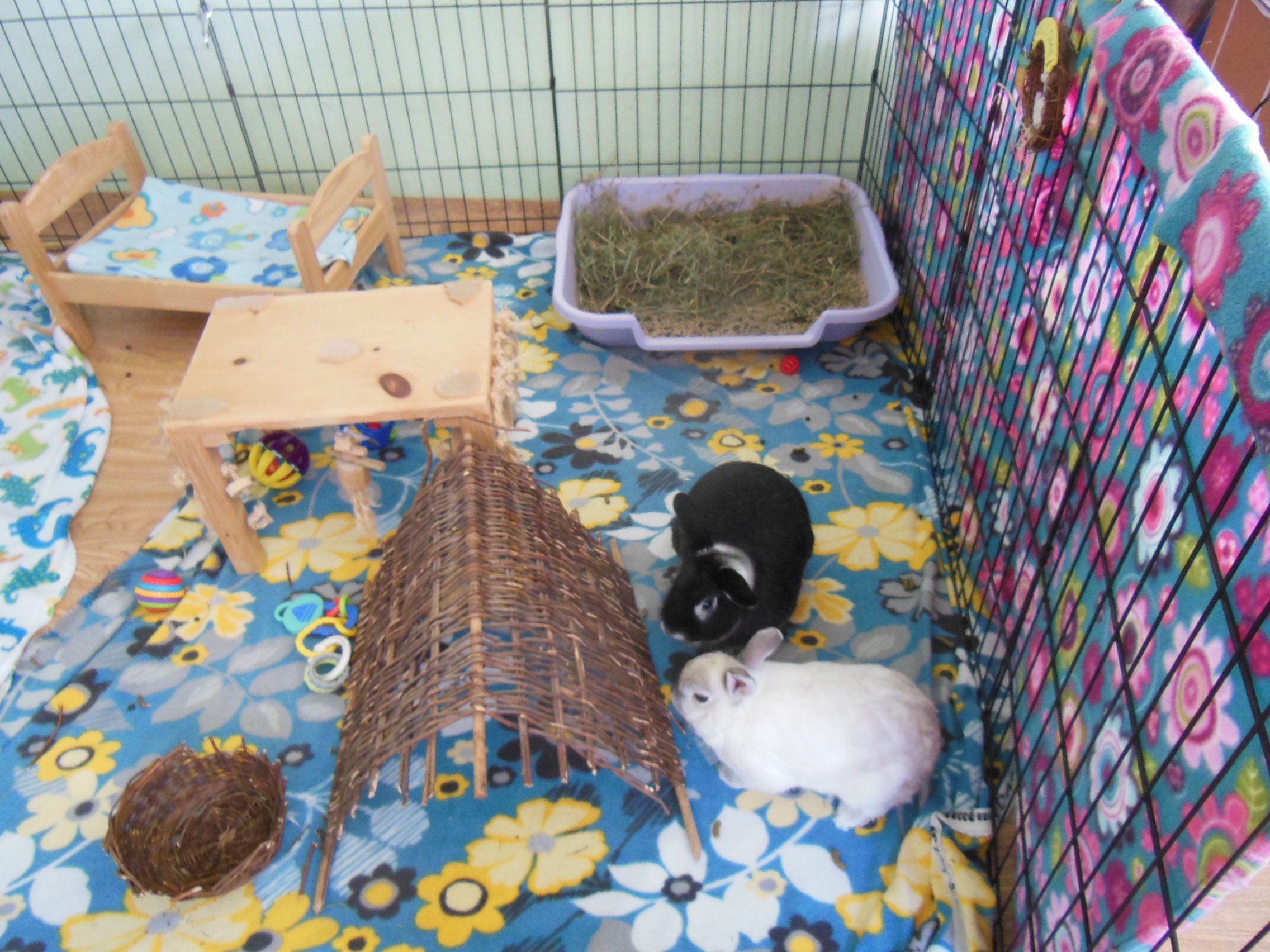
All About Indoor Pen Housing for Rabbits. Pens to keep your rabbit safe and to block off areas from your rabbit.
Creating a safe and practical indoor space for your rabbit is essential. Whether your rabbit is free-roaming or housed in a pen, the type of barrier you choose affects safety, cleanliness, and ease of care.
For example, some rabbits (like Zora and Zita) may free-roam in a kitchen with a baby gate, while others (like Sugarplum and Zita) may live in exercise pens (x-pens) with supervised playtime in a dedicated bunny room.
Barrier Overview
We primarily use x-pens (metal exercise pens) for our rabbits and fosters. While we’ve observed other barrier types and spoken with owners who use them, our hands-on experience is mainly with x-pens.
For clarity:
X-pens = metal-bar panels
Solid-panel barriers = plastic or similar solid materials
Review Criteria
We evaluate barriers based on:
Rabbit safety
Ease of setup
Configuration flexibility
Cleaning and maintenance
Cost and style
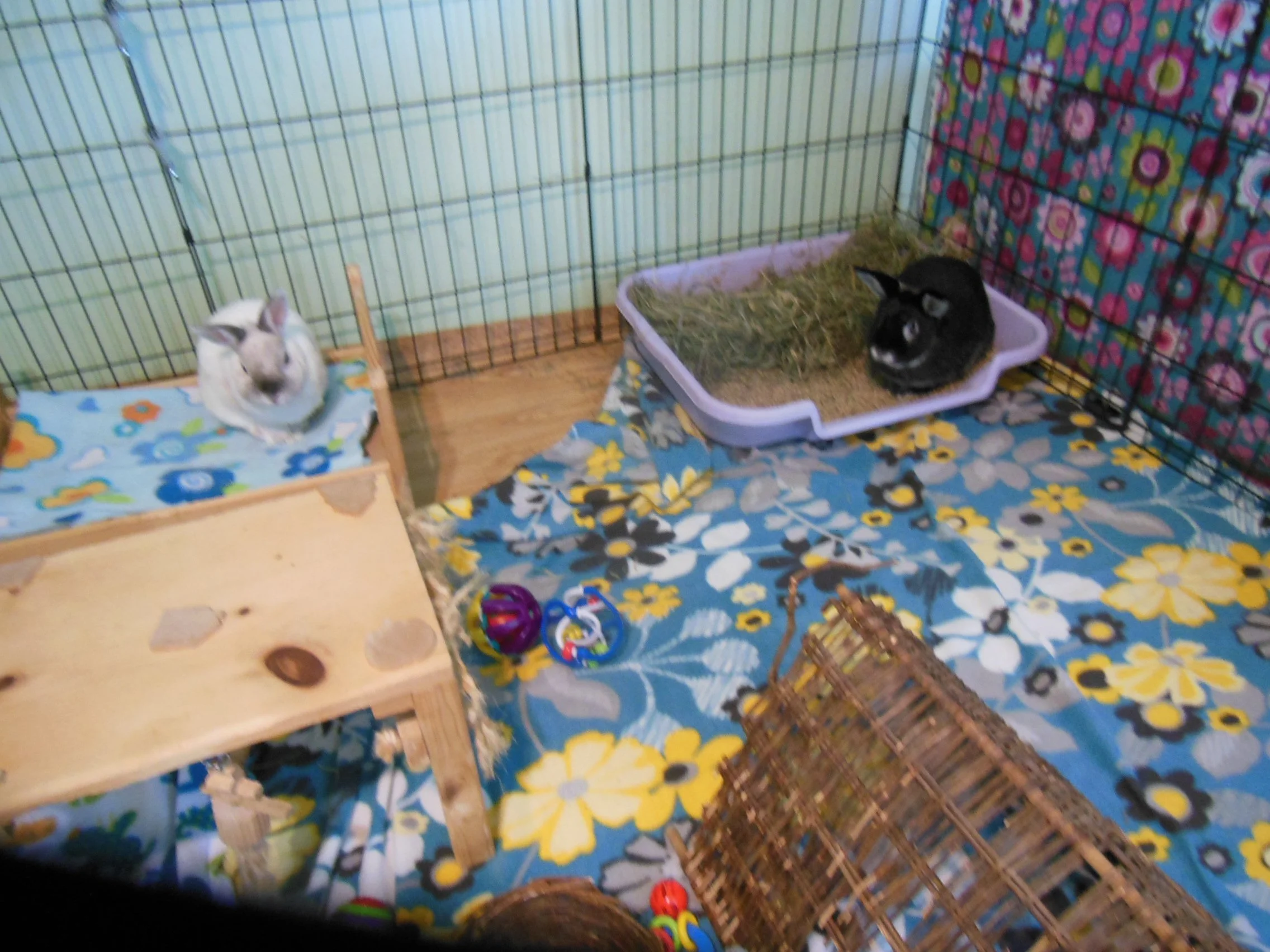
Sugarplum and Prince Charming inside of their x-pen
X-Pens (Metal Bar Panels)
Common brands include Precision, Midwest, and Go Pet Club. These are widely used by rescues and shelters.
Key Features
Typically 8 panels, each ~2 ft wide
Heights: 12”, 24", 30", 36", 48"
Bar spacing: ~1.5 inches
Horizontal + vertical bars
Rabbit Safety
Some rabbits can jump or climb out (horizontal bars act like ladders)
24” and 30” are standard for most rabbits. You can use 36” and 48” for rabbits who can jump or climb out of 30”. Note that the 36” and 48” are bulky and heavy.
Rabbits may push open unsecured doors → always use top and bottom clips
Not suitable for mothers with kits unless lined (babies can slip through gaps)
Rabbits can stick noses through bars → risky during bonding setups (use spacers) .
Rabbits can stick their nose out and may get bitten by other animals.
Rabbits may eat or bite things next to the x-pens through the bars.
“Pen banger” may chew or move panels
Ease of Setup
Very easy—hinged panels rotate 360°
Included clips are often inconvenient → larger clips work better
Built-in doors can be awkward and even a trip hazard
Many users simply open a panel instead
Configurations
Highly flexible
Panels can form various shapes or connect multiple pens
Easy to divide spaces (e.g., for medical monitoring or bonding separation)
Easy to separate panels if you need fewer than 8 panels from another x-pen.
Cleaning
Easy to lift and adjust during cleaning
Bedding can be tucked under panels
Downsides:
Hay and droppings fall through the bars.
Mess can build up behind pens near walls
Panels shift easily and don’t always stay perfectly aligned
Dust can collect on the bars.
Cost & Style
Mid-range pricing
Often available second-hand
Functional but not stylish
Can be improved with DIY covers or decorative additions
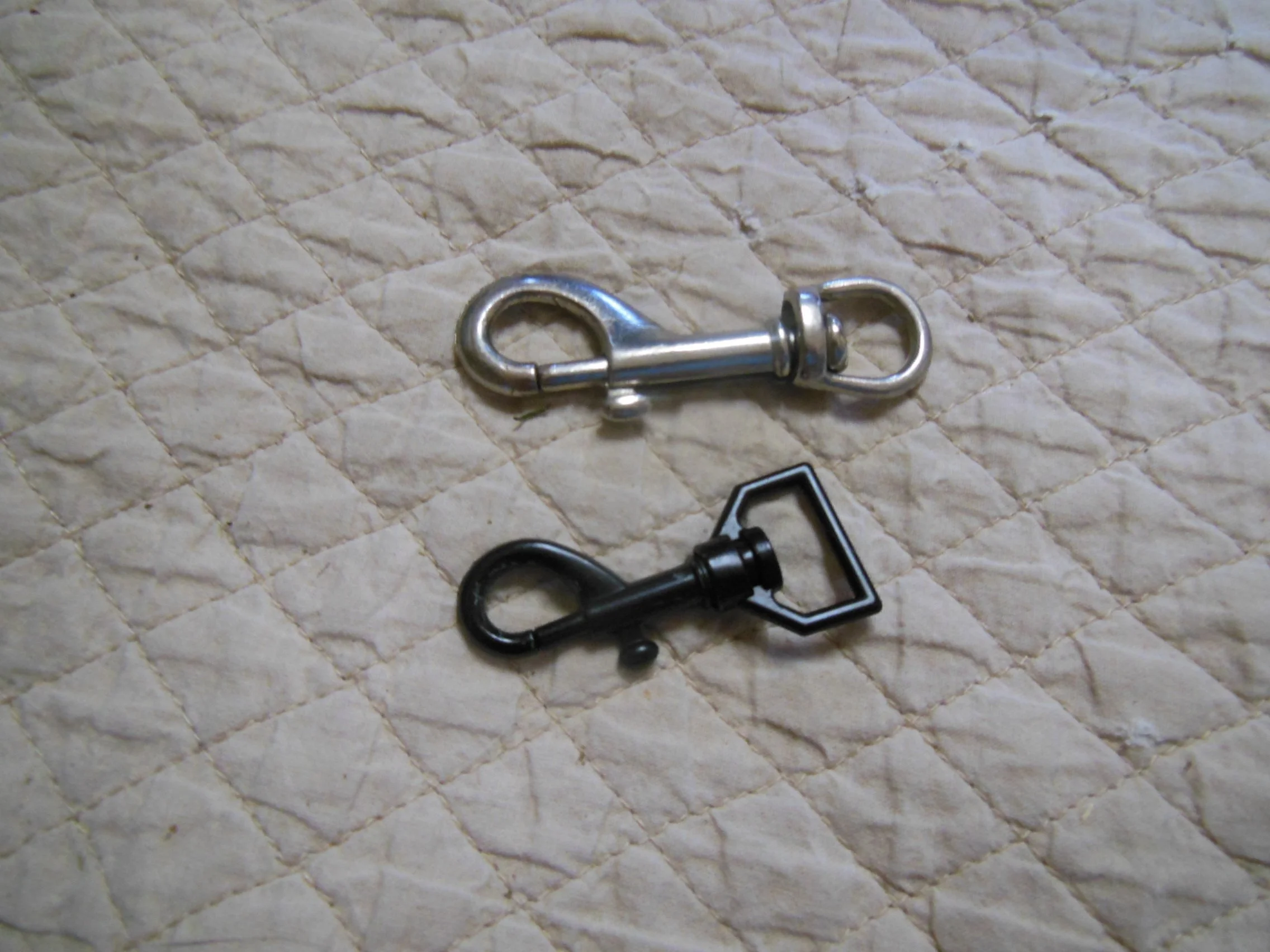
You can replace the supplied clip (bottom) with a larger clip (top).
Michi trying to climb out of his x-pen
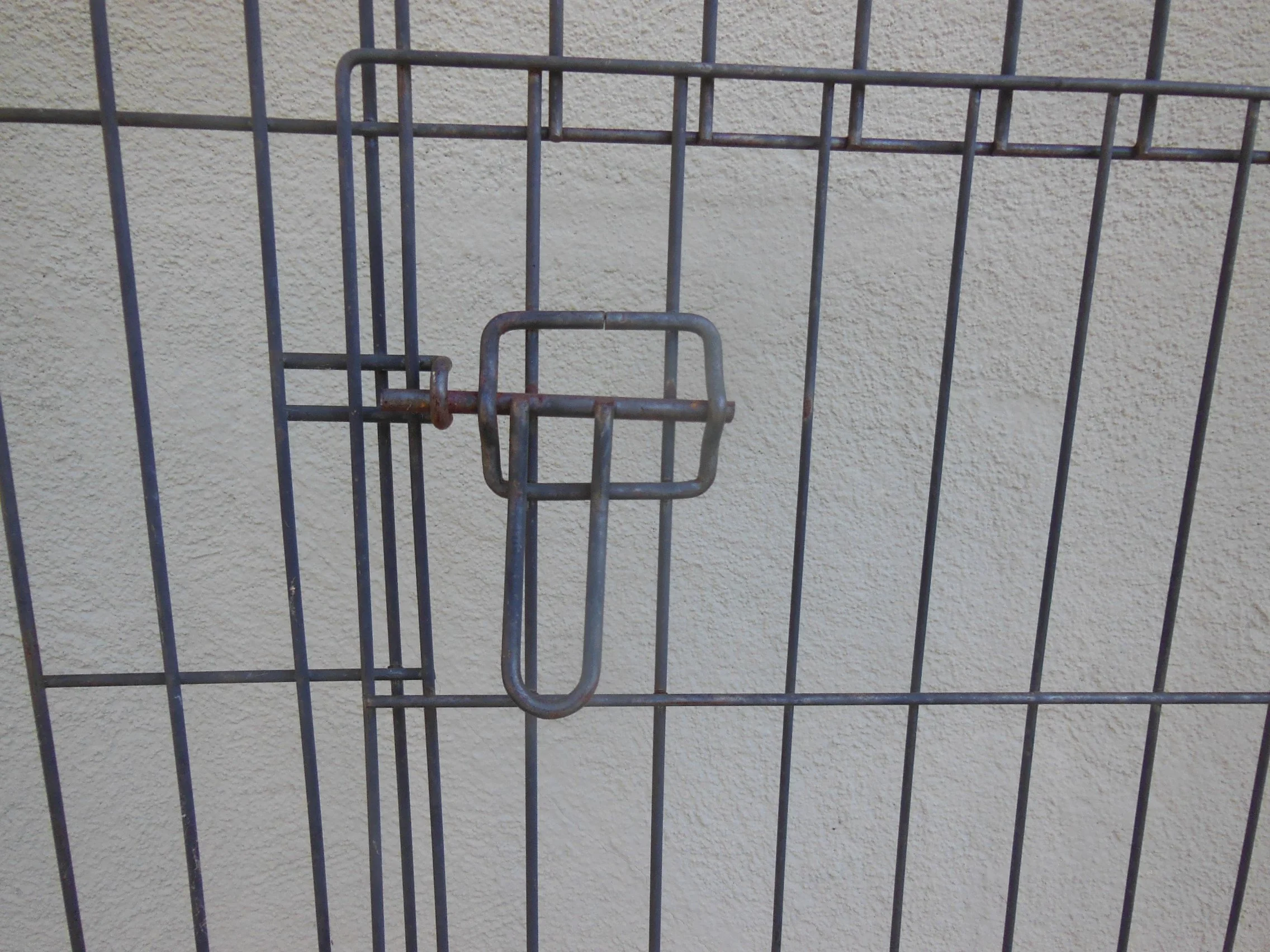
Door handle on x-pen can be hard to use. We prefer to use two clips to open one panel.
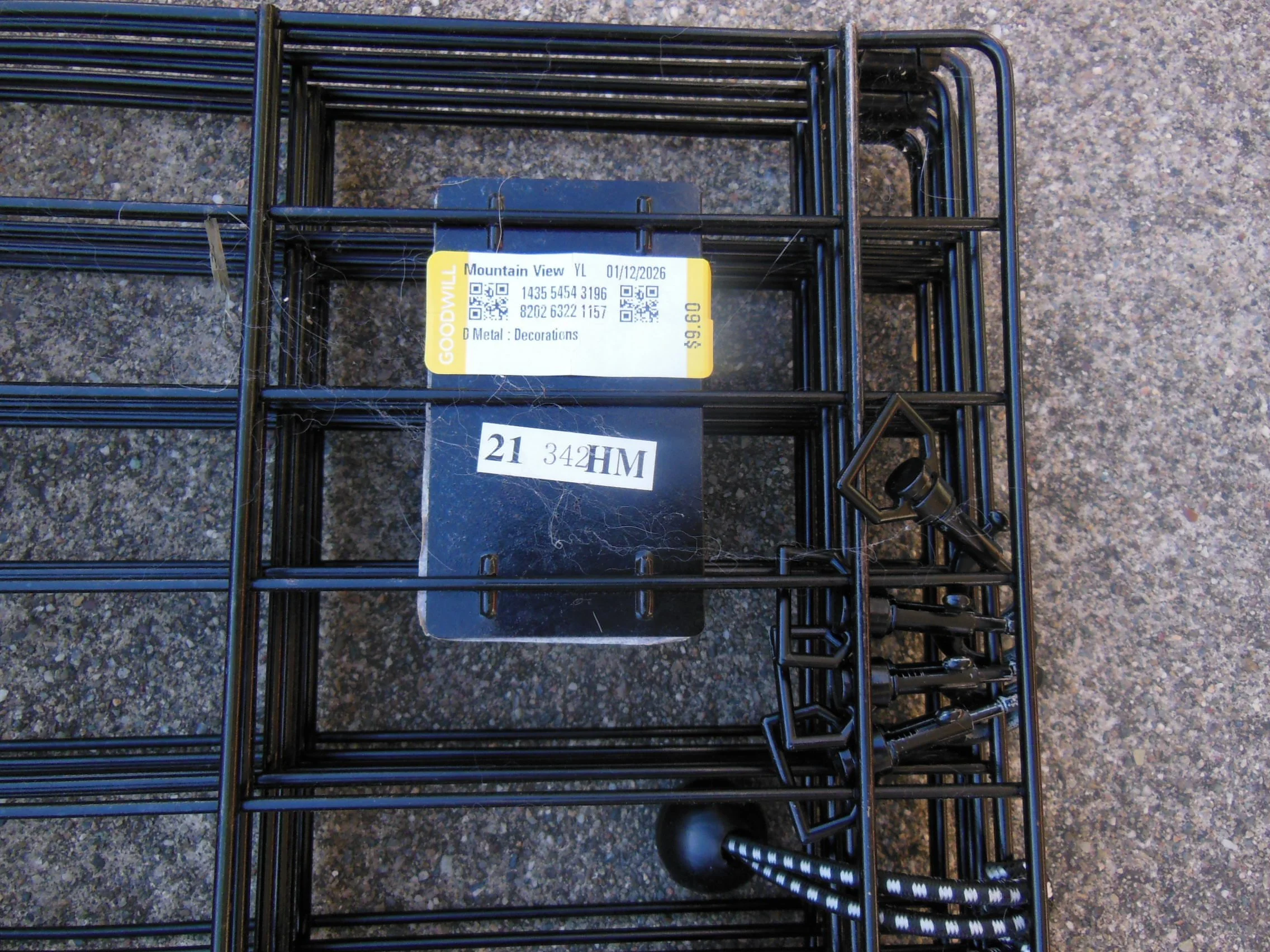
X-pens can be found on the secondary market, including thrift stores, flea markets, garage sales, and online marketplaces.
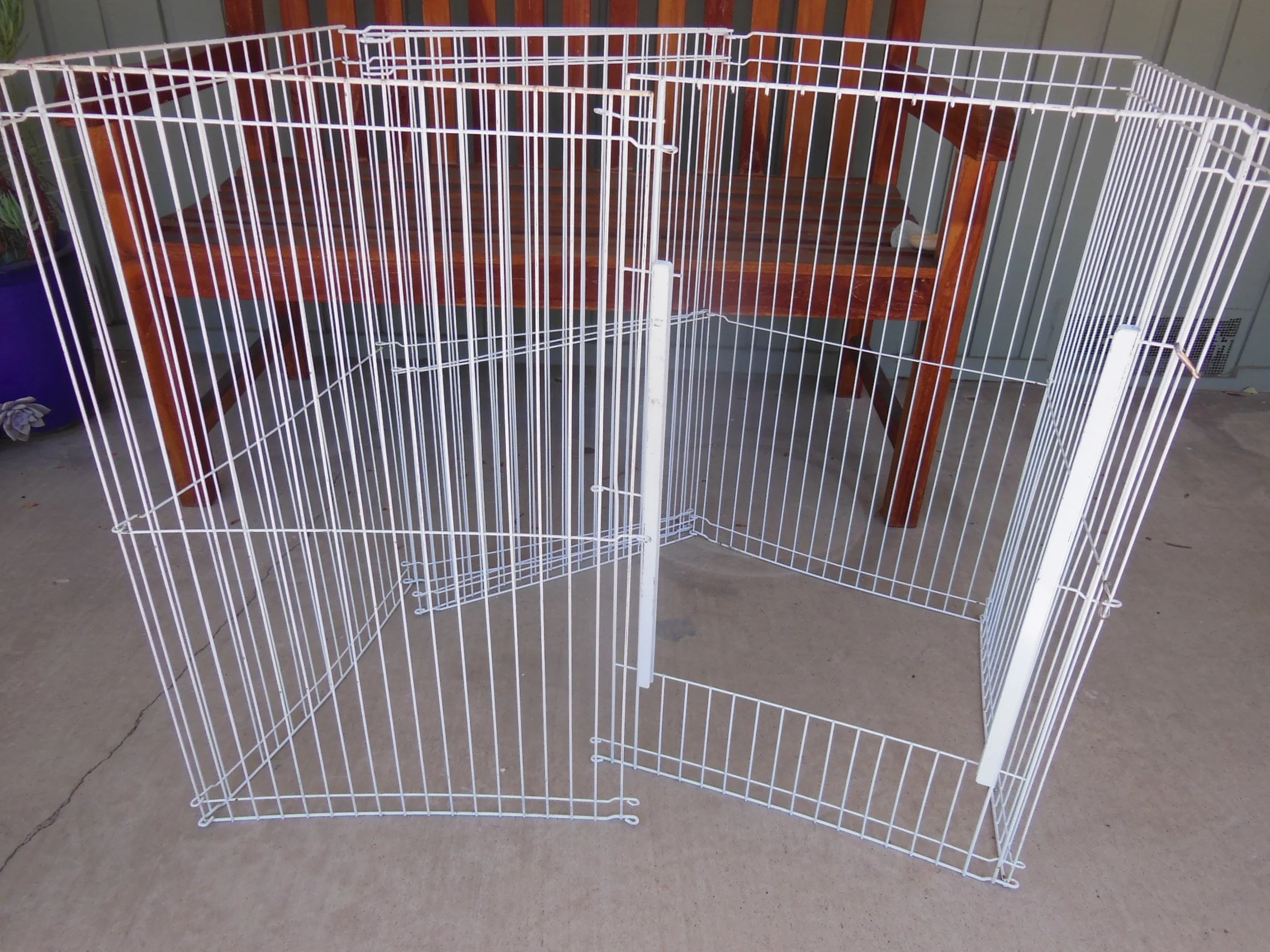
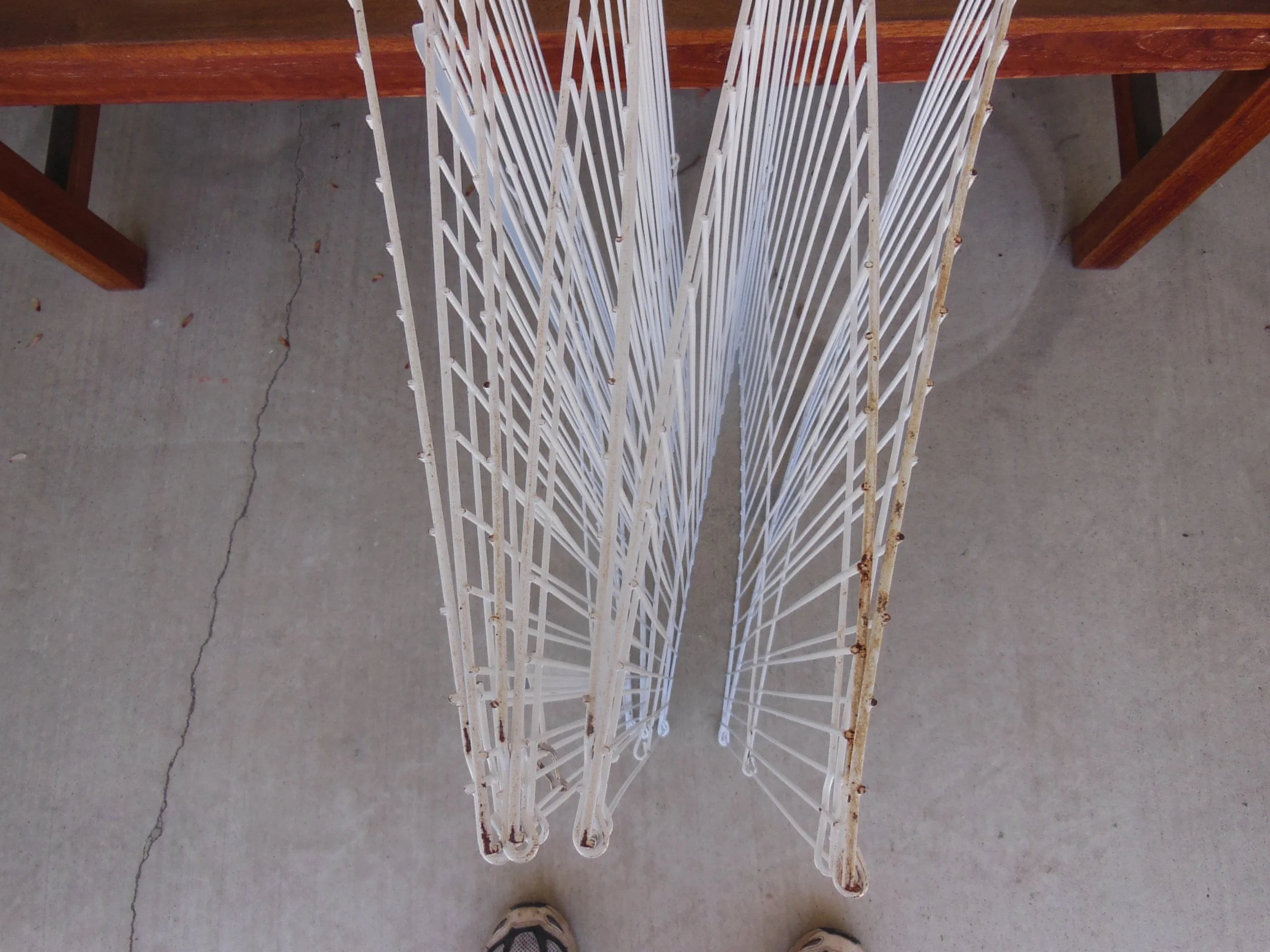
Ware Clean Living Playpen
Rabbits may have a hard time climbing out.
Drop-down door is not very useful but can be used for specialized setups.
does not fold up together as other x-pens for storage.
Can protect baseboards.
Variations of X-Pens
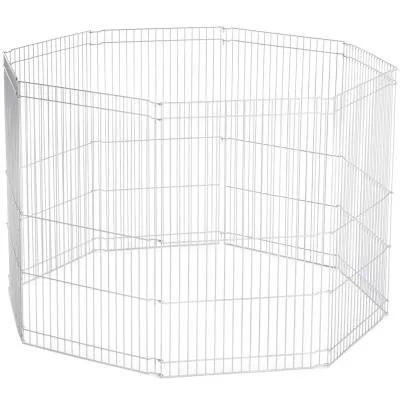
Prevue Pet Products
Smaller bar spacing (~1")
Lighter weight
A good option for mothers with kits.
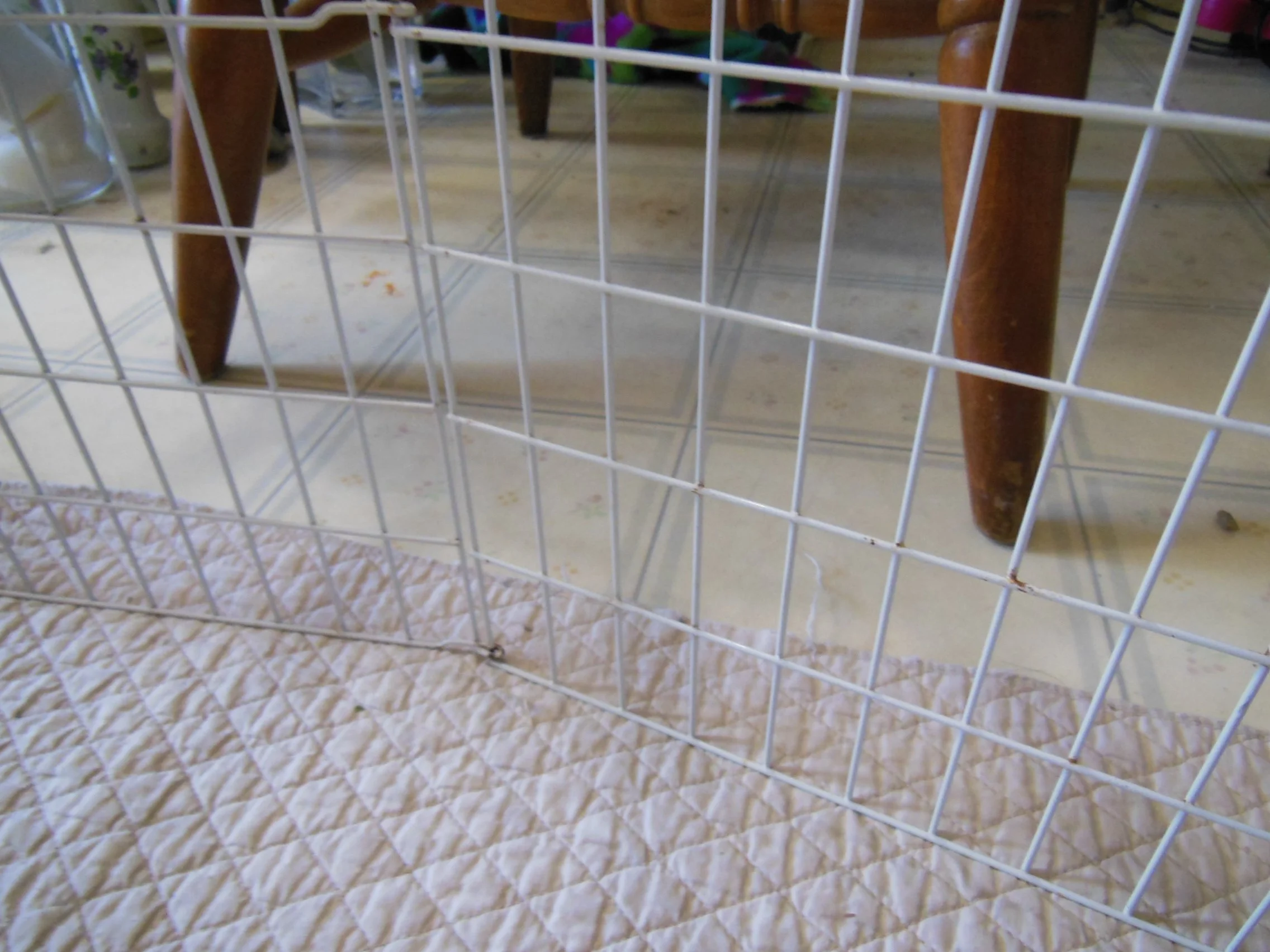
We use a similar one with 16 1 foot panels to prevent our Zora and Zita from going under our kitchen table.
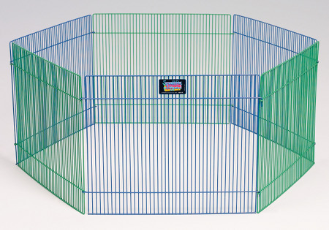
Midwest Critterville Small Pets Playpen, 15" H
6 panels, 15"H x 19"W
Very small bar spacing (~2/3")
Ideal for:
Baby rabbits
Seniors or medical cases
Blocking off areas for your rabbit.
Can fit inside a standard x-pen
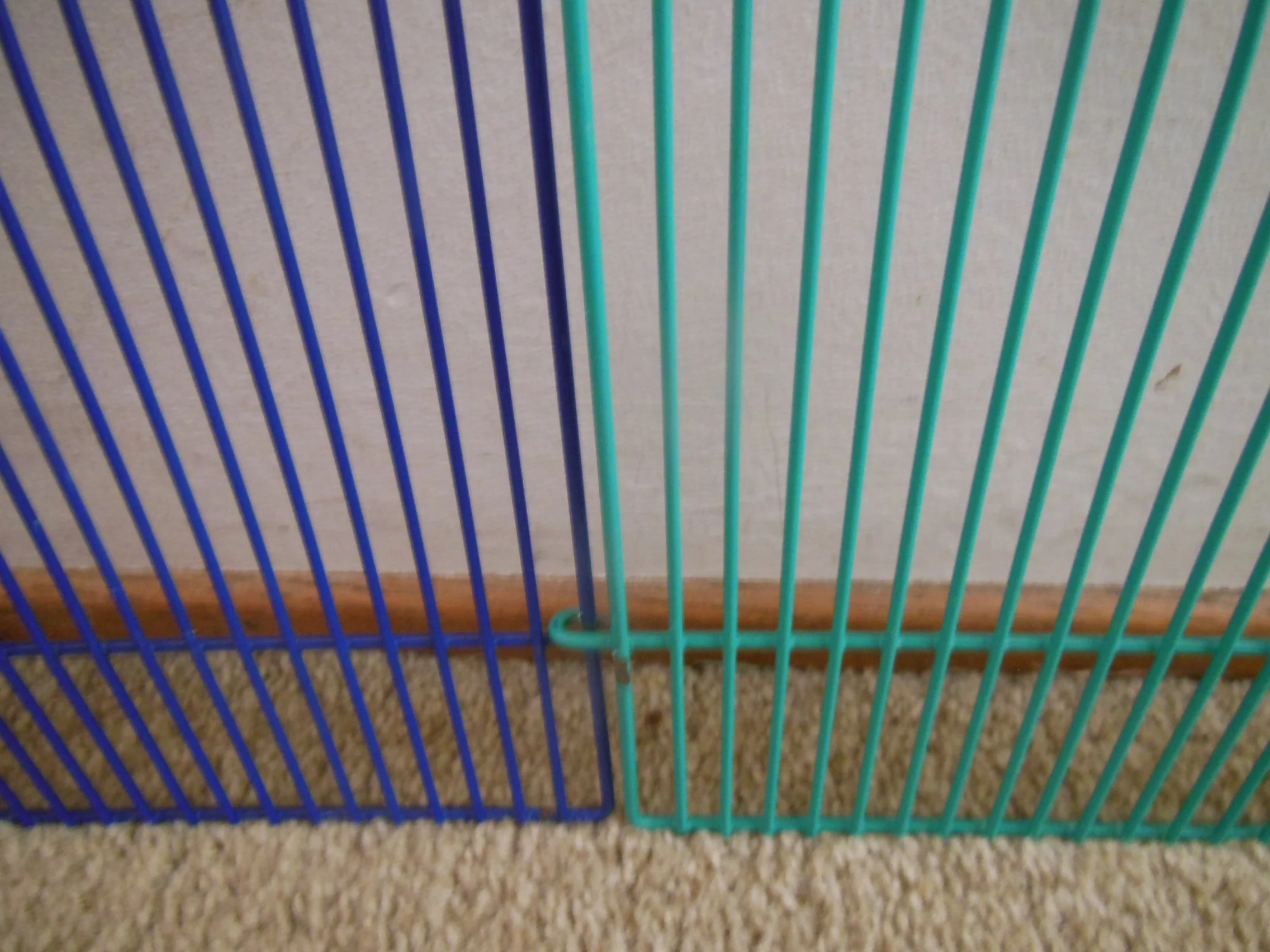
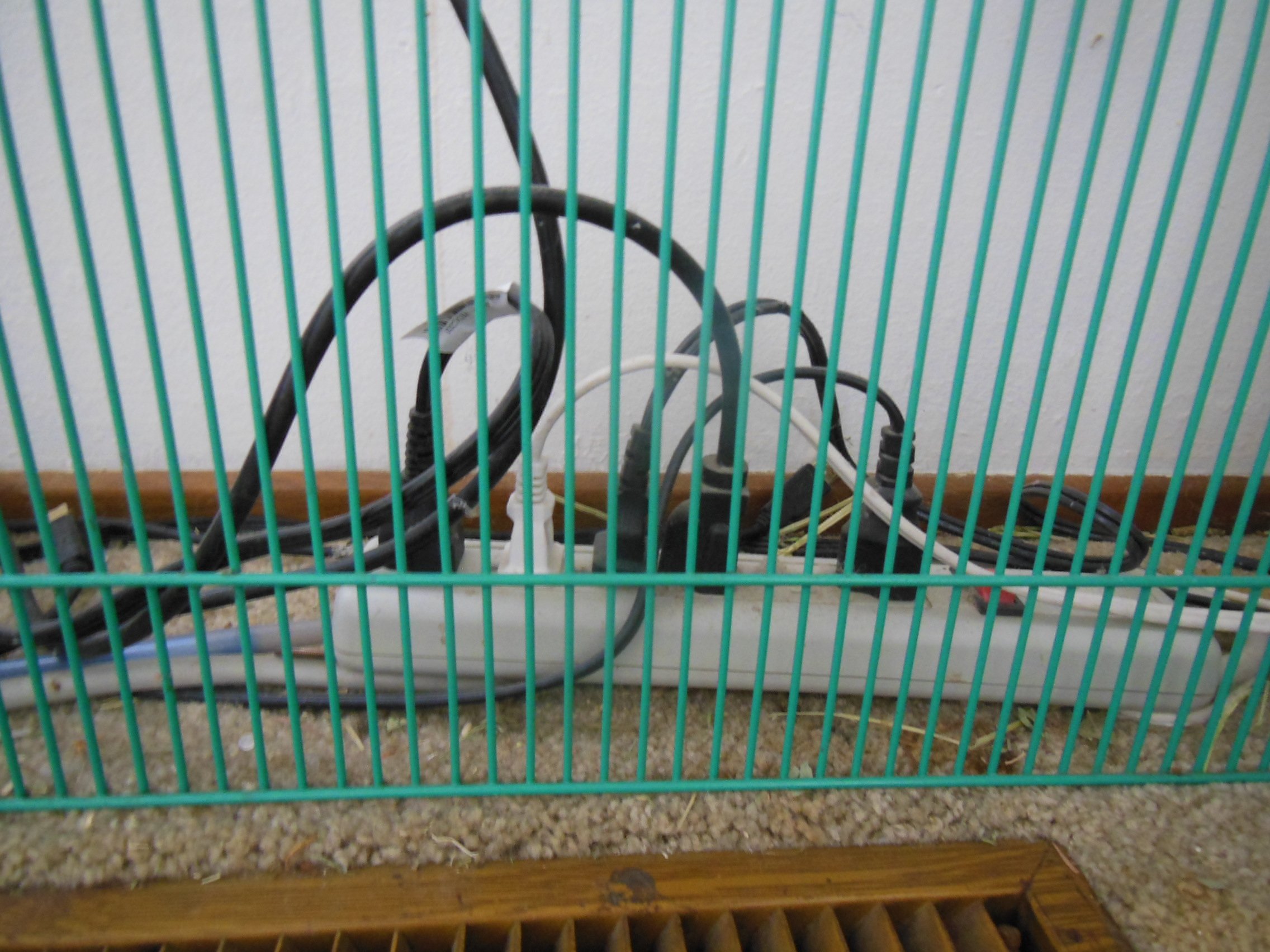
Can protect cords.
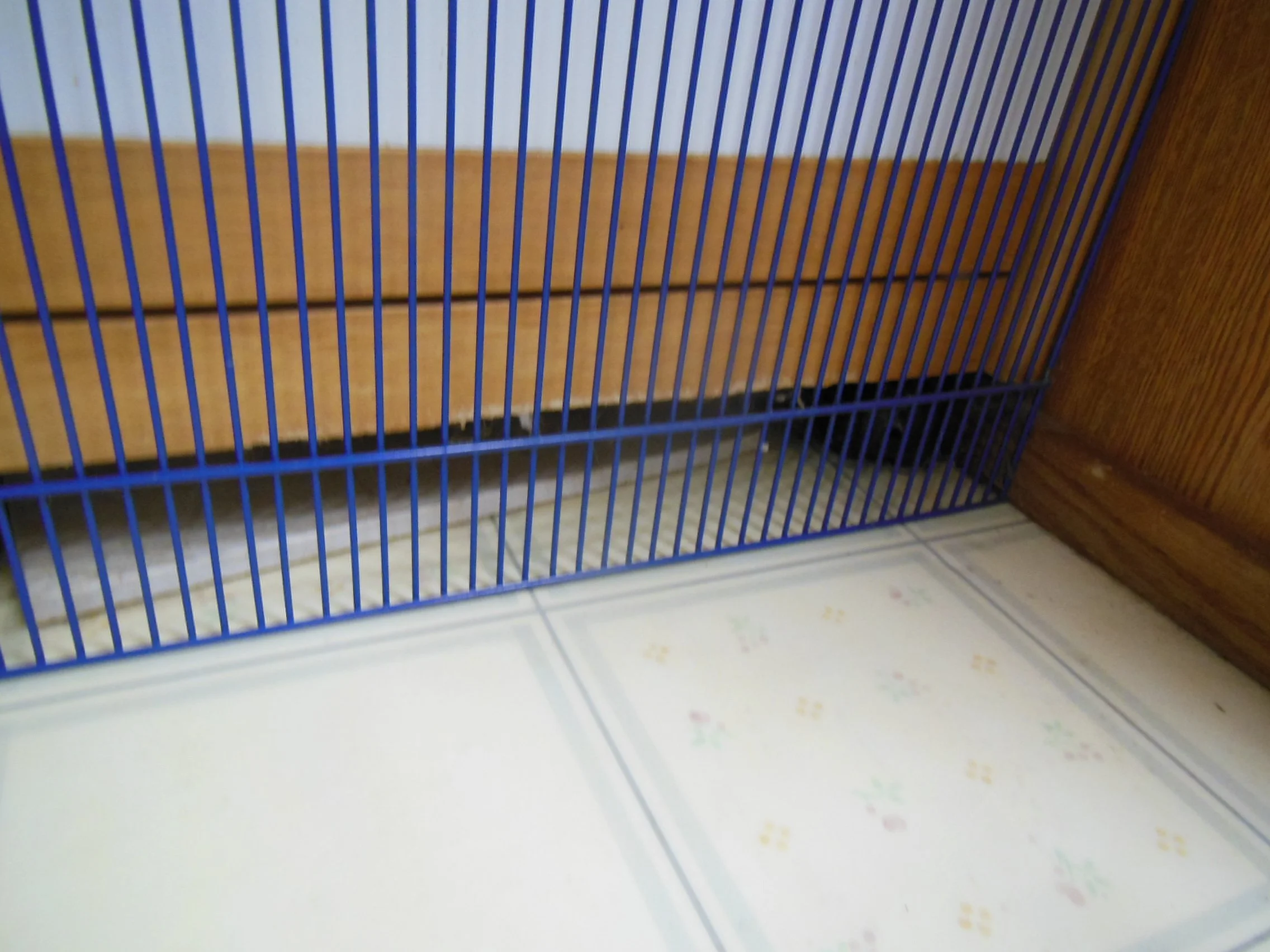
Can prevent rabbits from going underneath furniture and other objects.
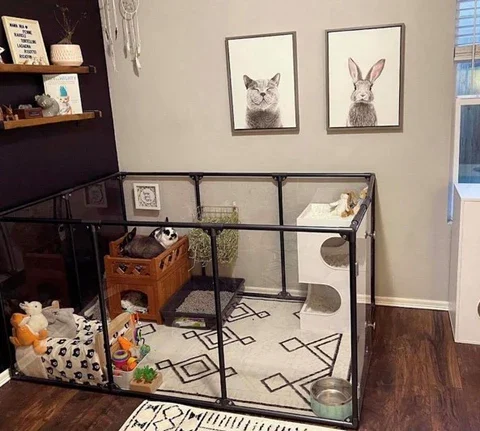
Solid Panel Barriers (Plastic Panels)
These use clear or opaque solid panels instead of bars.
Rabbit Safety
Very secure—rabbits generally cannot climb them.
Prevents nose contact with other animals
Still possible to escape if objects nearby allow jumping
Configurations
More limited than x-pens
Panels usually connect only at edges in straight lines
Less flexibility in shaping enclosures
Cleaning
Keeps hay and droppings contained inside
Requires wiping down panels
Heavier and less flexible to move
May require sturdier flooring than fleece
Cost & Style
More expensive than x-pens.
Rarely found second-hand.
Much more visually appealing.
Panels are often brand-specific, making them difficult to mix and match.
Important to:
Measure carefully
Buy extra panels for future adjustments
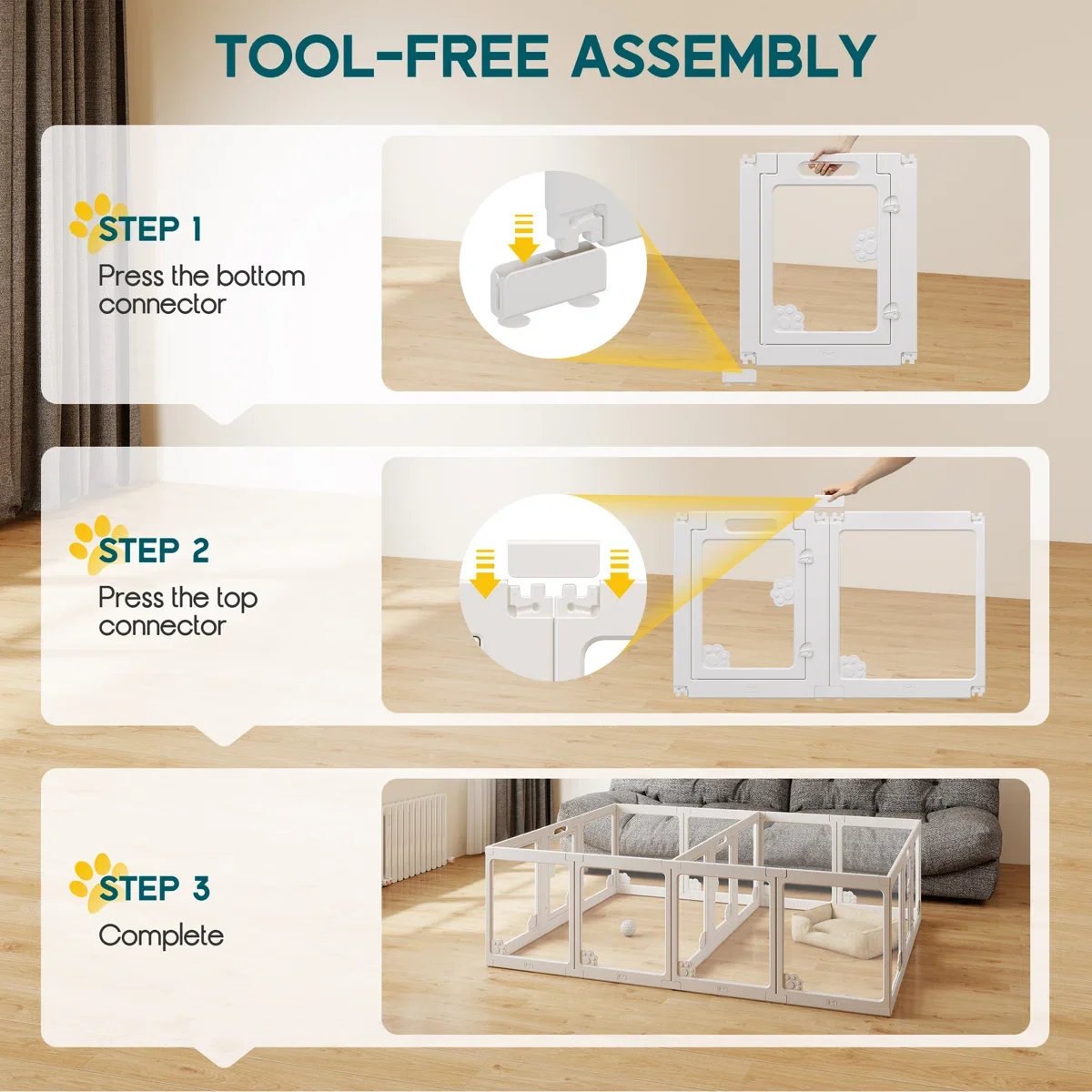
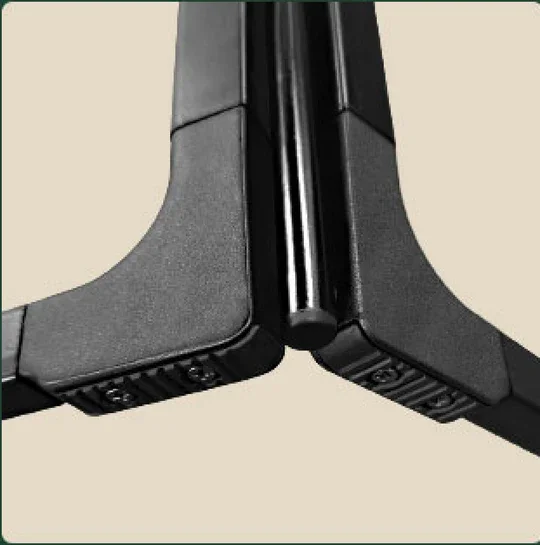
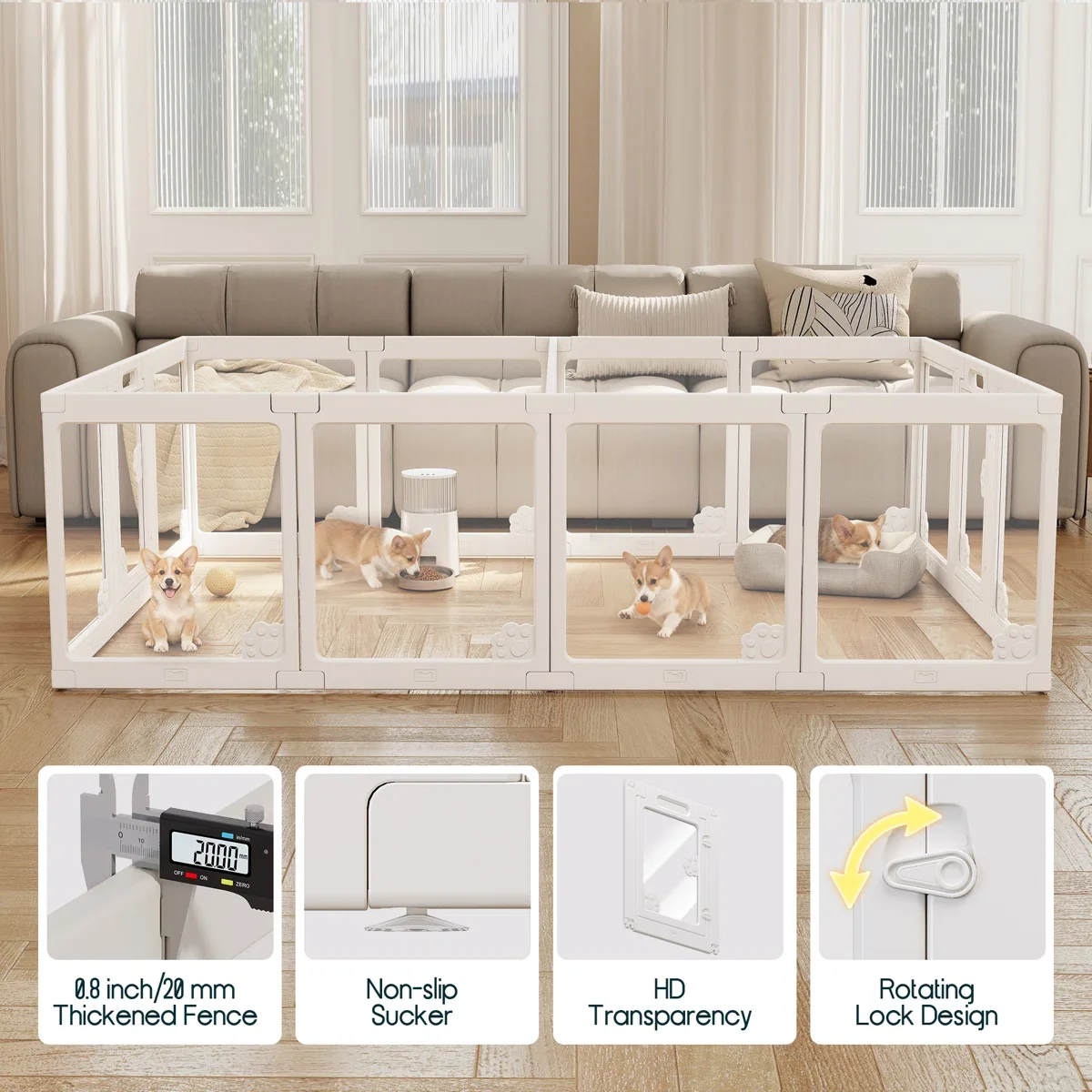
Review and understand how the pen will fit in your area.
Final Thoughts
X-pens are the most versatile and widely used option—great for flexibility and affordability.
Solid panels offer better containment and aesthetics but less flexibility and higher cost.
The best choice depends on your rabbit’s behavior, your space, and how much effort you want to put into setup and maintenance.